iWorld
Dialling into deeper losses as MTNL posts weak first quarter numbers

MUMBAI: MTNL’s first quarter call sheet for FY26 is anything but music to investors’ ears. The state-run telecom player rang up a consolidated net loss for the three months ended 30 June 2025, as falling revenues and swelling expenses continued to choke its balance sheet. The company’s unaudited results, approved by its board on 13 August, showed total income at Rs 334.11 crore, down sharply from Rs 455.29 crore a year earlier. Revenue from operations slipped to Rs 329.36 crore, a 27.6 per cent drop year-on-year, with other income contributing Rs 4.75 crore.
Expenses told an even starker story total outgo rose to Rs 425.92 crore, including operating costs of Rs 142.10 crore, employee benefits at Rs 42.16 crore, finance costs of Rs 64.12 crore, and depreciation and amortisation of Rs 105.28 crore.
The red ink has left MTNL’s net worth in the negative, with accumulated losses outstripping its equity share capital. A long-running license fee battle with the Ministry of Information and Broadcasting continues to loom large, the PSU has a provision of Rs 4,680.24 crore against the MIB’s April demand of Rs 8,735.67 crore (including interest) for fees since inception, a claim it is contesting in court.

The bonds issued by MTNL remain unsecured, making certain SEBI disclosure norms inapplicable, but the financial stress remains very much on record and in the spotlight for shareholders watching every rupee spent.






iWorld
Meta showcases Ray-Ban Meta AI glasses at Lakmé Fashion Week
Wearable AI brings hands-free creativity to India’s biggest fashion stage.
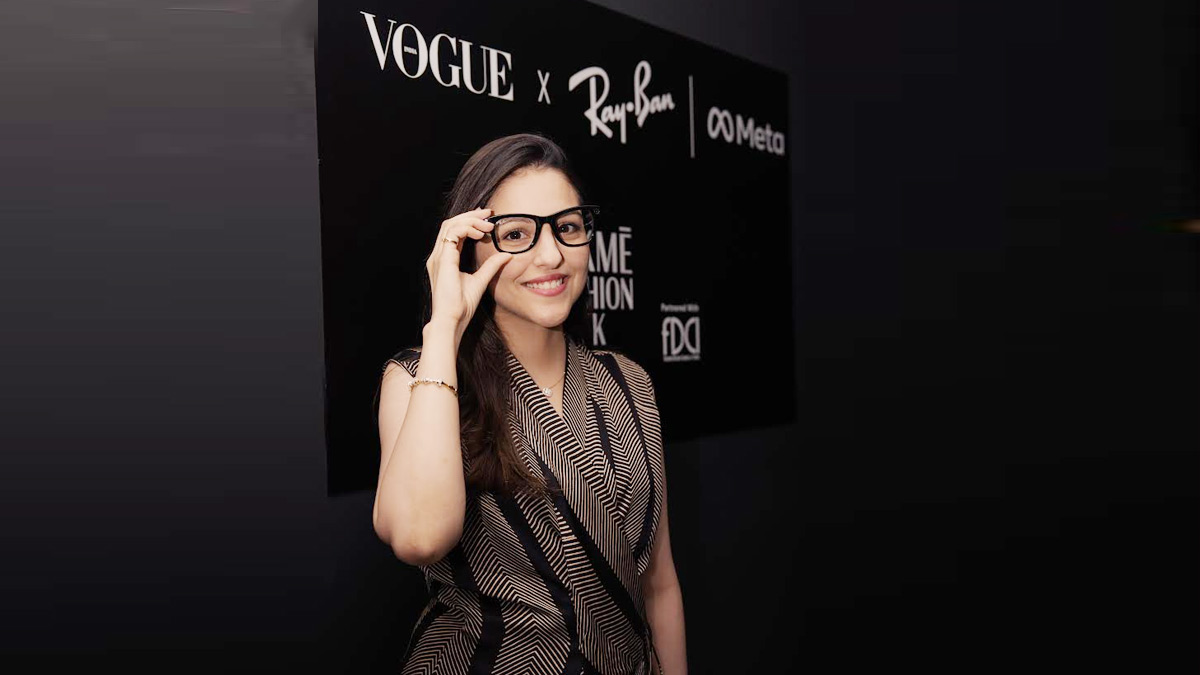
MUMBAI: Meta just put its Ray-Ban glasses on the runway because when fashion meets AI, even the front row wants to strike a pose without lifting a finger. Meta showcased its latest Ray-Ban Meta AI glasses at Lakmé Fashion Week, India’s most influential cultural and fashion platform, blending wearable technology with high-fashion storytelling in a seamless, hands-free experience.
The highlight was the Ray-Ban Meta Red Chairs integration, placing the smart glasses at prime front-row vantage points. Select creators, including Mohak Narang, Vishal Pandey, Aastha Shah, Rohit Khandelwal, Sanket Mehta, Manav & Unnati, and Sufi Motiwala, captured runway moments in real time, offering audiences a unique first-person perspective of the shows.
Beyond the catwalk, Meta hosted an exclusive dinner with leading designers such as Falguni and Shane Peacock, David Abraham and Rakesh Thakore, and Amit Gupta, allowing the fashion community to experience the glasses firsthand. An interactive “Strike a Pose with Ray-Ban Meta glasses” installation let attendees simply say “Hey Meta, take a picture” to capture high-resolution images that were instantly transformed into stylised, high-fashion magazine covers.
Meta vice president & head og India and South East Asia Sandhya Devanathan said, “Lakmé Fashion Week is a powerful national moment that continues to shape India’s fashion landscape. Bringing Ray-Ban Meta AI glasses into this space enabled creators to capture and share experiences in real time, unlocking new possibilities for creative expression.”
The collaboration underscores Meta’s push to make its technologies more accessible and relevant to India’s growing creator and fashion ecosystem, demonstrating how wearable AI can enhance storytelling and become an integral part of cultural moments.
In the glamorous chaos of Lakmé Fashion Week, where every look is carefully curated, Meta quietly reminded everyone that the future of style might just be hands-free letting creators see, capture and create without ever missing a beat (or a pose).








