Hindi
Dharmendra Singh Deol: Hindi cinema’s eternal Hero bows out

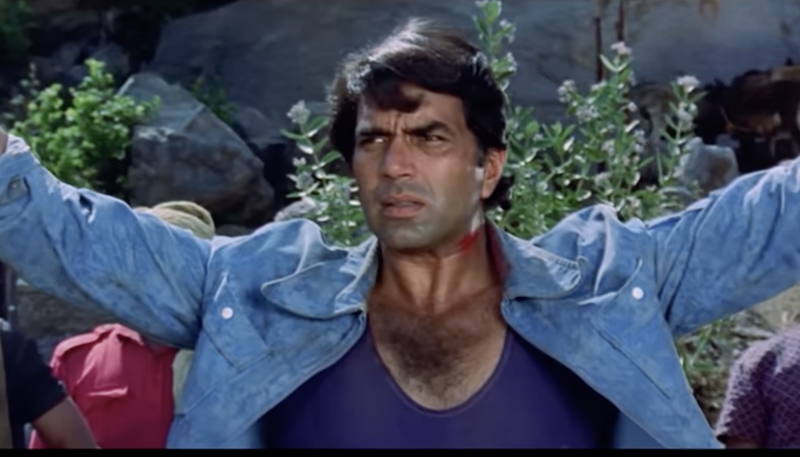
MUMBAI: The guns blazed, the villains flew, and somewhere in the dust cloud stood Dharmendra—jaw set, shirt torn, still immaculate. In six decades on screen, he built a mythology around himself: the last of Hindi cinema’s homegrown he-men, a matinee idol who could charm mothers, daughters and box-office accountants with equal ease. He died in Mumbai on 24 November, aged 89, leaving behind a filmography bursting with action, romance, comedy, and sheer, unembarrassed star power.
Born in 1935 in Sahnewal, a small Punjab village, Dharmendra Kewal Krishan Deol grew up far from the glamour he would eventually embody. His father was a schoolteacher; his mother ran the home. Cinema arrived in his life through single-screen theatres in Phagwara, where he studied. He watched Hollywood westerns, Bollywood tearjerkers, anything he could afford. He dreamt of celluloid long before he understood the harsh arithmetic of fame.
Bombay—gritty, smoggy, merciless—tested him. After winning a Filmfare talent contest at 23, he waited for the promised debut that never materialised. Instead, he spent days knocking on producers’ doors and nights rehearsing expressions in the mirror of a cramped paying guest room. His portfolio photographs frayed from overuse. The hunger was literal as well as metaphorical.


When success finally arrived, it came in a rush. Phool Aur Patthar in 1966 catapulted him from near-obscurity to stardom. He played the outlaw with a wounded heart—tough enough to intimidate, tender enough to adore. Audiences queued for hours; producers queued longer. He repeated the formula in dozens of films, from Anupama to Yaadon Ki Baaraat, carving out a niche between the romantic heroes of the 1960s and the angry young men of the 1970s. Dharmendra managed to be both: a lover with broad shoulders and a fighter with soft eyes.
But 1975 sealed his legend. In Chupke Chupke, he swapped guns for gags, proving he could deliver dry wit with professorial charm. Months later came Sholay, the film that would define a generation and cement his place in the cinematic pantheon. As Veeru, he jumped off water towers, cracked jokes, flirted with Hema Malini and shot down dacoits—often all at once. Off-screen, he fell for Malini, courting controversy and reshaping his personal life. India watched with equal parts fascination and judgement; he soldiered on.
His superstardom stretched across the 1980s, fuelled by relentless work. Some films were hits, others forgettable, but his appeal endured. The 1990s brought a shift as the Khans dominated Bollywood. Dharmendra stepped back without bitterness, turning producer and helping Sunny and Bobby carve out their own space. In Apne (2007), the three generations of Deols punched and wept together, reminding audiences why they adored the family in the first place. Awards eventually followed: the Filmfare Lifetime Achievement in 1997, the Padma Bhushan in 2012. Still, he wore them lightly. Praise flustered him; adoration embarrassed him. Politics, which he reluctantly dabbled in between 2004 and 2009, bored him. Stardom never did.
Age crept in—back trouble, frailty, hospital stays. Yet he continued to act, still chasing the lights that once chased him. Even in his last notable appearance, in 2024’s Teri Baaton Mein Aisa Uljha Jiya, the spark was intact. Another film, Ikkis, will now release without him to promote it.
At his beloved Lonavala farmhouse, he planted trees, fed cattle, and took long walks—“the village boy inside me,” he’d say. Fame had not hardened him. He remained sentimental, occasionally grumbly, mostly grateful. When he lamented in 2023 that Bollywood had overlooked the Deols’ contribution, it was unusual precisely because he so rarely complained.
Dharmendra leaves behind a complicated, sprawling legacy: three generations of stars, a treasury of films, and millions of fans who believed—truly believed—that their hero could never be knocked down for good.
But even he could not fight time. And so the eternal hero exits, leaving behind the echo of punches, laughter, and that impossibly charming smile. India will miss him. Indian cinema will miss him. Screens will miss him.
A nation raised on his movies will remember one thing above all: he made heroism look easy.







Hindi
Zee5 and Applause Entertainment team up for whodunnit ‘Everybody Loves Sohrab Handa’
Rajat Kapoor directs star-studded murder mystery streaming from 10 April.
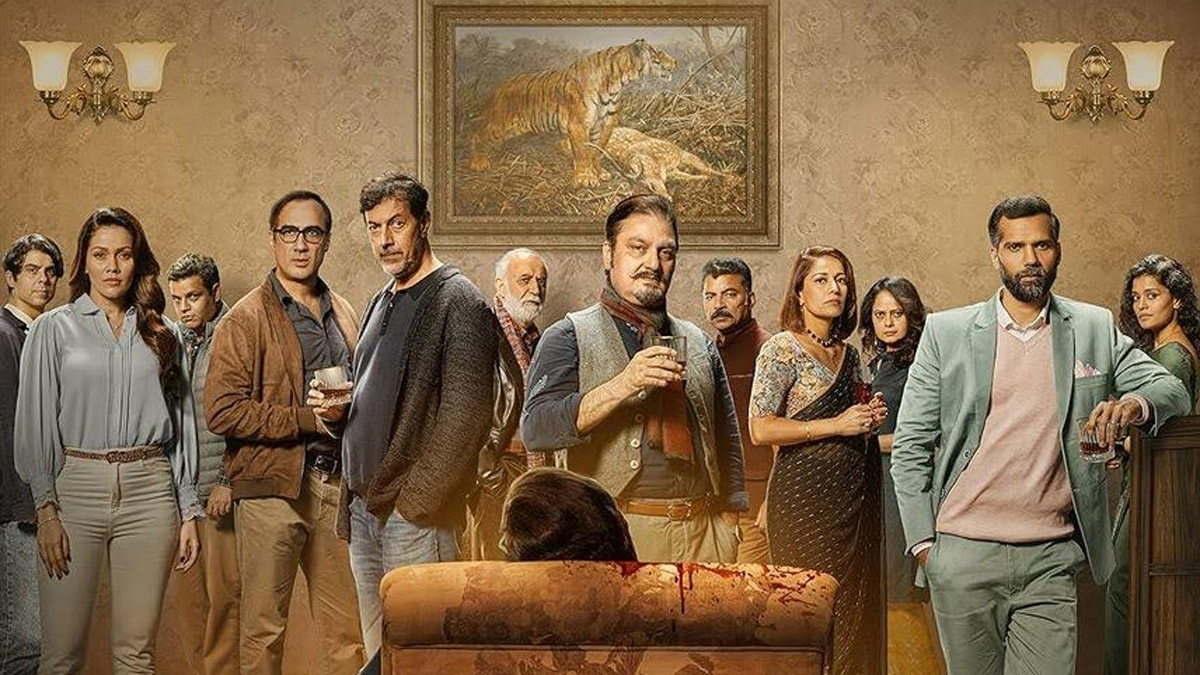
MUMBAI: Zee5 is serving up another killer collaboration and this time, the murder mystery comes with a generous side of dark humour and family dysfunction. The streaming platform has partnered with Applause Entertainment and Mithya Talkies to bring Everybody Loves Sohrab Handa, a fresh, twisted whodunnit written and directed by acclaimed filmmaker and actor Rajat Kapoor. The film will stream exclusively on Hindi Zee5 from 10 April.
The movie reimagines the classic murder mystery genre with a contemporary, darkly comic edge. It revolves around a group of friends and family who smile, drink, and celebrate together until the silence snaps and long-buried secrets spill out. The stellar ensemble cast includes Vinay Pathak, Ranvir Shorey, Waluscha De Sousa, Saurabh Shukla, Chandrachoor Rai, Neil Bhoopalam, Koel Purie, Palomi Ghosh, and Rajat Kapoor himself.
This latest offering continues the successful partnership between Zee5 and Applause Entertainment, which has previously delivered diverse hits such as Mithya, Bloody Brothers, and Jab Khuli Kitaab.
&TV Business Head of hindi Zee5 and chief channel officer Kaveri Das said, “Our collaboration with Applause Entertainment has consistently delivered distinct, high-impact storytelling. Everybody Loves Sohrab Handa is a natural progression, reinforcing our focus on genre-led content with a compelling whodunnit premise and a strong ensemble cast.”
Applause Entertainment business head for movies Sunil Chainani added, “This film adds yet another compelling layer to our slate with Rajat Kapoor’s unmistakable voice.”
Rajat Kapoor shared, “What interested me was not just the mechanics of a whodunnit, but the emotional violence that precedes physical violence. These are people who smile at each other, but there’s so much that is not said.”
The film promises razor-sharp writing, layered performances, and simmering tension, inviting viewers not just to solve the crime but to unravel the complex relationships at its heart.
If you love a good murder mystery served with wit and emotional depth, Everybody Loves Sohrab Handa looks set to be your next addictive watch. Mark your calendars, the whodunnit drops on Hindi Zee5 from 10 April.






