Gaming
dentsu’s ‘Fame for the Game’ report: The place of brands in the gaming economy


Mumbai: Brands can gain a lot of value from their participation in the gaming economy. dentsu Gaming has published its ‘For the Game’ report in association with AnimationXpress.com which surveys how brands play a vital role in the gaming culture.
This report discovers how brands can position themselves in the gaming culture, be accepted by gamers, and resonate with them. Gamers evaluate brands not only based on their products and marketing but also on their involvement in the gaming experience and community.
According to CCSxGWI data, people can have conflicting feelings about brands’ presence in gaming. On one hand, 32 per cent of respondents believe it is acceptable for brands unrelated to esports to sponsor teams or events. In contrast, intrusive pop-ups and ads are a major source of annoyance for 27 per cent of users.

Responding to gamers’ motivations and frustrations is one of the most effective ways to add value to the gaming experience or community.
With 61 per cent of respondents believing that women should be encouraged to play games, brands can sponsor female streamers to promote a more diverse and inclusive space.
When a game becomes too expensive to progress, 28 per cent of respondents are frustrated, and 23 per cent are frustrated when game interest declines.
With the meteoric rise of streaming, gaming has moved beyond the realm of individual play to engage audiences. It has evolved into a primary channel for vibrant fandoms, a culture-shaper, and a source of limitless opportunities for marketers.
Media is a powerful vector for brands looking to connect with gaming audiences and better align with gaming culture.
Brands can actively shape gaming culture by designing or co-designing immersive experiences that leverage innovative technology, their intellectual property, and the intellectual property of renowned gaming third parties.
The report suggests that brands must genuinely understand gamers, starting with their motivations. Rather than rushing in, a brand should take incremental steps to build a durable and credible presence for the community, bringing value through experiences both within and outside games. Successful brands are the ones that learn from and evolve with this always-changing world.

Gaming
MTG gaming chief Benninghoff joins NODWIN board as esports firm primes for IPO
The Gurugram-based esports firm is pursuing a public listing, has returned to profitability and is growing revenues by 42 per cent
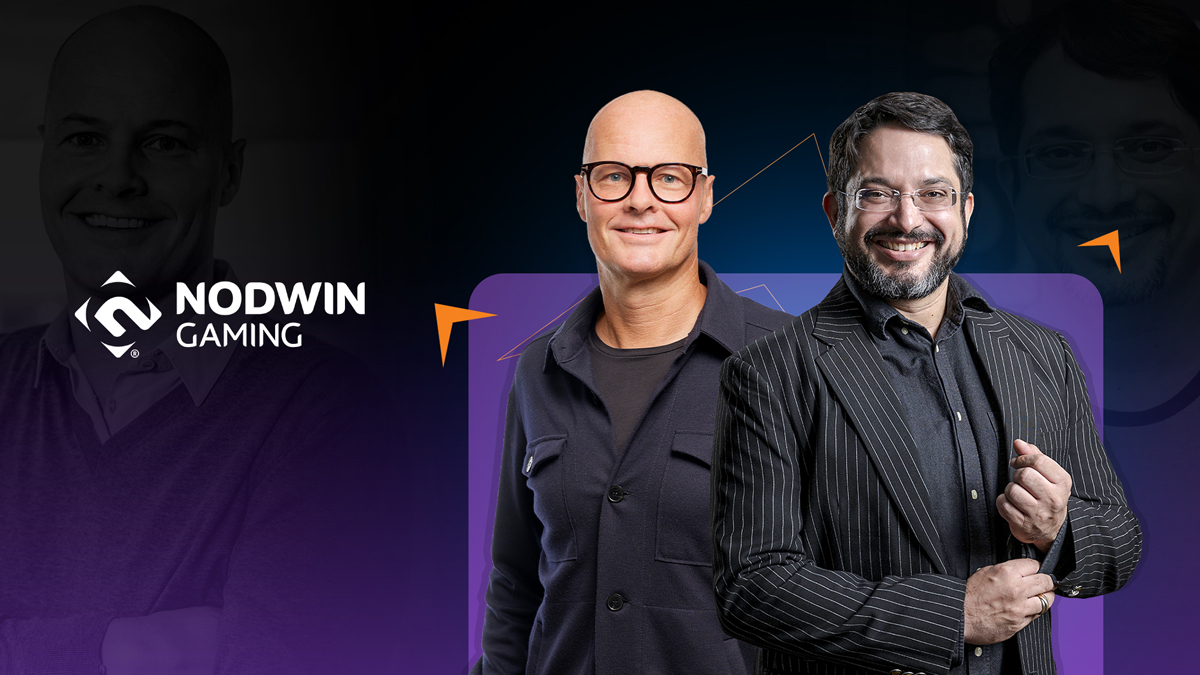
GURUGRAM: NODWIN Gaming is moving fast. The Gurugram-based gaming and esports company has launched a pre-IPO fundraising round, appointed UBS as lead adviser for both the round and a subsequent public listing, and landed a heavyweight board director, all in one go.
The new board member is Arnd Benninghoff, executive vice president of gaming at Stockholm-listed Modern Times Group (MTG), who has overseen the group’s strategic investments and portfolio growth since 2014. He is no stranger to building things: Benninghoff has founded and built fifteen companies, served as chief digital officer at ProSiebenSat.1 Media AG, managing director of SevenVentures, and chief executive of Holtzbrinck eLAB. He began his career as a journalist at Deutsche Presse Agentur and various TV networks, holds a Diplom-Kaufmann in business and administration from the University of Münster, and previously sat on the board of Edgeware AB.
The numbers back the ambition
NODWIN is not pitching a story without substance. The company has returned to EBITDA profitability and posted a 42 per cent year-on-year revenue surge, reaching $58.5m in the first nine months of FY2026. The pre-IPO round will combine a primary issuance to fund global expansion through organic growth and acquisitions, alongside a secondary sale to give existing shareholders some liquidity.
Akshat Rathee, co-founder and managing director of NODWIN Gaming, said Benninghoff understands “the entire lifecycle of the gaming and media ecosystem, from the boots-on-the-ground reality of building startups to the strategic complexity of managing multi-billion dollar global portfolios.”
Benninghoff, for his part, said the company “sits at the intersection of sports, entertainment, and technology, making it one of the most exciting players in the global gaming landscape today.”
A portfolio built for the global south
Founded in 2014 by Rathee and Gautam Virk, NODWIN has quietly assembled one of the more compelling esports portfolios outside the Western hemisphere. Its properties include DreamHack India and Comic Con India, and it recently acquired StarLadder, the Ukraine-based tournament organiser behind premier events in CS:GO and Dota 2. The company also serves as a long-term strategic marketing partner for the Evolution Championship Series (EVO), the world’s most prominent fighting game tournament, helping push it into new geographies.
Its geographic focus spans South Asia, Central Asia, Southeast Asia, the Middle East and Africa. Backers include Nazara Technologies, KRAFTON, Sony Group Corporation, JetSynthesys, and the founders’ investment vehicle Good Game Investments.
What comes next
With UBS running the books, a board freshly reinforced with European media and gaming expertise, and revenue heading in the right direction, NODWIN is laying the groundwork deliberately. The esports industry has burned investors before with big promises and thin margins. NODWIN’s return to profitability, combined with a real portfolio of owned intellectual properties across gaming, music and youth culture, gives it a more credible runway than most. The IPO clock is now ticking.