High Court
Delhi HC stays telecast of film on Nirbhaya; MIB asks channels not to show excerpts


NEW DELHI: In a day of speedy action, the Delhi High Court today upheld the stay on telecast of a documentary based on interviews including one with a convict in the 16 December, 2012 Delhi gang-rape case.
The court also banned telecast of the documentary on the internet too. “Cops can act if the film is aired,” the Delhi high court said on Wednesday.
Earlier in the day, in statements in both the Lok Sabha and Rajya Sabha, Home Minister Rajnath Singh said the government will be moving the court, and also informed members that a police complaint was filed against the film, India’s Daughter produced and directed by British filmmaker Leslee Udwin and co-produced by Indian TV journalist Dibang. He said stay orders had been taken from a local court last night itself after he had learnt about the film. (The Rajya Sabha was adjourned for some time in the morning following an uproar by the opposition on the issue.)

The Information and Broadcasting Ministry also posted an advisory on its website asking private television channels not to air excerpts from the film as this was violative of the Cable TV Networks (Regulation) Act 1995 and the Downlinking Guidelines and was also sub judice as an appeal by the main convicted Mukesh Singh was pending. Mukesh Singh along with three others was convicted and sentenced to death last year.
In Parliament, the Home Minister admitted that the no-objection certificate to shoot the documentary featuring interview of convicted inmates in Tihar jail of cases related to atrocities against women was given by the ministry of home affairs on 24 July, 2013, adding that “in future, no one will be given permission to interview rapists.”
“The government has taken necessary legal action and obtained restraining order from the court on disseminating the contents of the film,” he said.
“Our government condemns the incident of 16 December, 2012, in the strongest possible terms and will not allow any attempt by any individual group or organisation to leverage such unfortunate incidents for commercial benefits,” he said.
“The respect and dignity of women constitute a core value of our culture and tradition… our government remains fully committed to ensuring safety and dignity of women.”
The minister added that he had sought information regarding the conditions under which permission was given for the interview. “If needed, responsibility will be fixed (for granting permission),” Singh said while making the statement in the Lok Sabha.
He said permission was given by jail authorities to shoot the documentary, with condition of taking prior approval of jail authorities before publishing the research paper or for releasing documentary film which “is being made for totally social purposes without any commercial interest, as conveyed.”
Other conditions included that only those inmates will be interviewed who give written consent, and that the complete unedited footage of the shoot in Tihar jail premises will be shown to jail authorities to ensure there was no breach of prison security.
“This documentary features one of the accused of the Nirbhaya case. It came to the notice of jail authorities that conditions have been violated. Hence a legal notice was issued to them on April 7, 2014,” the Home Minister said. The minister said the documentary makers were asked to return the unedited footage and also not to show the film as it violates the permission condition.
“The documentary film was shown to jail authorities where it was noticed that the documentary film depicts the comments of the convict which are highly derogatory to dignity of women,” he said.
A physiotherapy student was raped and assaulted with an iron rod after she was tricked into boarding an unregistered private bus to go home after watching a movie with a male friend on December 16, 2013. The girl later died in a hospital in Singapore.
Mukesh Singh, one of the convicts in the gang-rape case, justified the action in the documentary, saying women who go out at night had only themselves to blame if they attracted the attention of molesters.
Reacting to the Delhi High Court’s order, producer-dorector Leslee Udwin told indiantelevision.com that she was confident that the film would ultimately be telecast in India after a senior government official sees the film. She also said that due permissions had been obtained and the film has even been shown to the jail authorities. She said that this film however will be shown in other countries. She wondered how anyone could go to court and file a PIL without seeing the film in its entirety and merely based on media reports.





High Court
Bombay HC likely to protect Kartik Aaryan’s personality rights
Actor seeks Rs 15 crore damages over AI misuse, deepfakes and merch
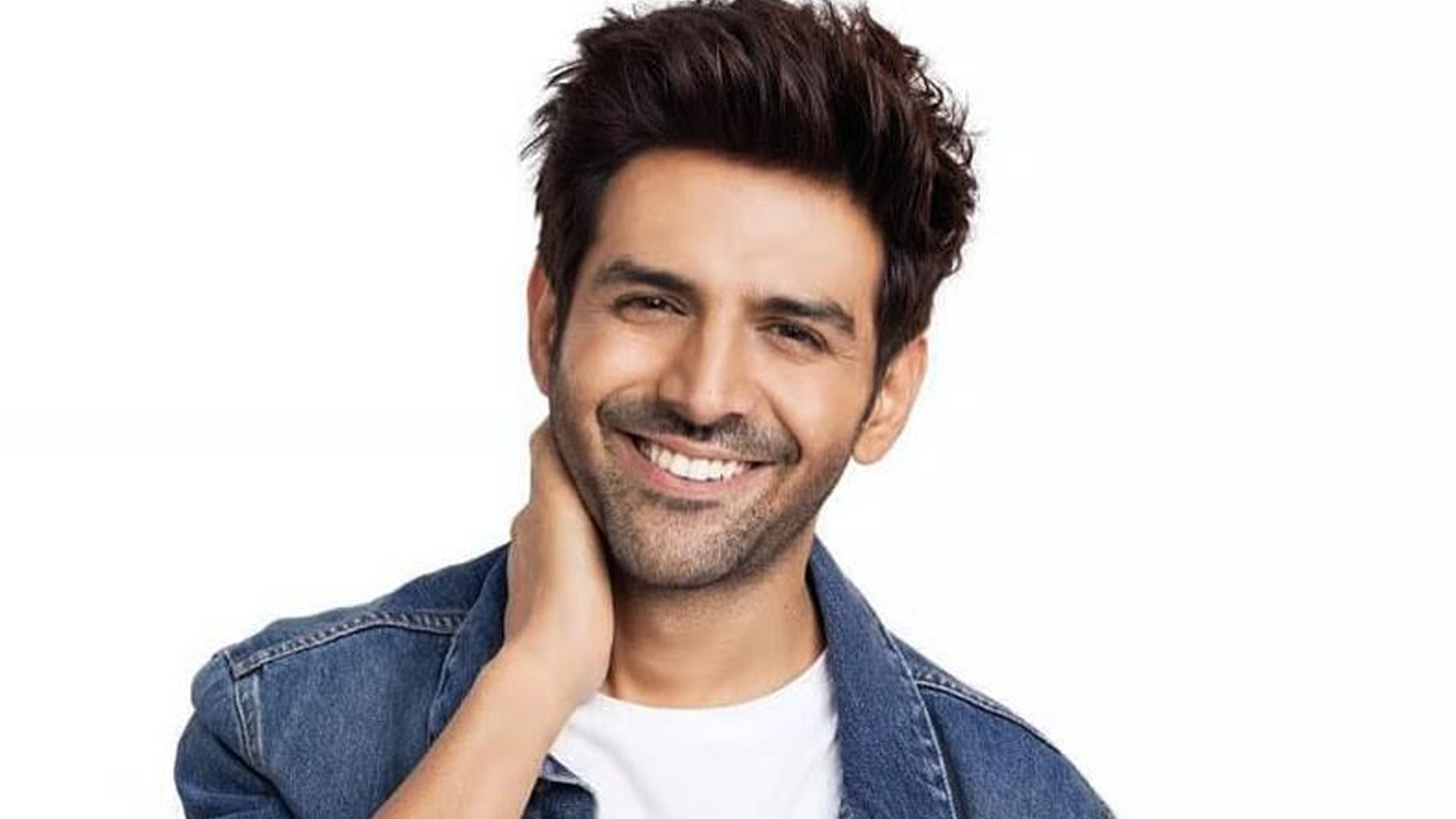
MUMBAI: In an age where faces can be faked and voices cloned, even stardom needs legal armour. The Bombay High Court has indicated it will pass an order safeguarding the personality and publicity rights of Bollywood actor Kartik Aaryan, following allegations of widespread digital misuse of his identity.
The matter, heard by Justice Sharmila U. Deshmukh, centres on a plea filed by Aaryan seeking a broad John Doe injunction against 16 defendants, including e-commerce platforms, social media intermediaries and unidentified entities. The court noted the concerns raised and said appropriate orders would be issued.
At the heart of the case lies the growing threat of artificial intelligence-driven impersonation. Aaryan’s petition flags multiple instances of deepfake content circulating across platforms such as YouTube and Instagram, where his likeness has allegedly been used to create fabricated videos, including false romantic link-ups and objectionable scenarios designed to drive engagement.
In one particularly alarming example, the actor’s legal filing cites AI-generated visuals that falsely associate him with controversial global figures, including Jeffrey Epstein. The plea argues that such content not only misleads audiences but also causes serious reputational damage.
The concerns extend beyond content to commerce. The suit alleges that unauthorised merchandise bearing Aaryan’s name and image is being sold across platforms such as Amazon, Flipkart and Redbubble, without his consent. Additionally, the actor has raised red flags over AI-powered chatbots that mimic his voice and simulate conversations, warning of potential misuse in fraudulent activities.
Aaryan’s filing underscores that he is the registered proprietor of the trademark “Kartik Aaryan”, with his name, voice and likeness carrying significant commercial value. The unauthorised use of these attributes, the plea states, leads to “immediate and irreparable harm” to his goodwill.
Seeking both preventive and punitive relief, the actor has requested a permanent injunction restraining entities from exploiting his identity in any form be it name, voice, signature or distinctive dialogue style. He has also sought damages amounting to Rs 15 crore for alleged commercial misappropriation and reputational loss.
The case highlights a larger legal and cultural moment, where the lines between reality and replication are increasingly blurred. As AI tools become more accessible, courts are now being called upon to define the boundaries of identity in the digital age, where a face may be famous, but control over it is no longer guaranteed.