Gaming
Dave & Buster’s opens 22,000 sq ft dining and gaming hub in Mumbai

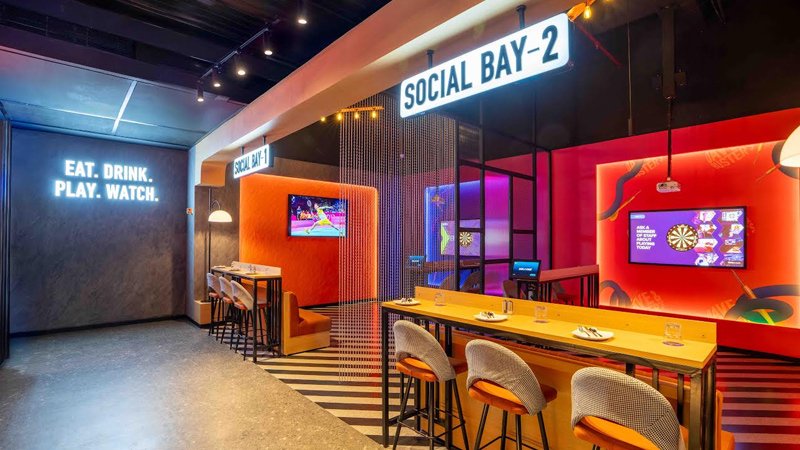
MUMBAI: Mumbai, get ready to eat, drink, play, and win all in one go. Dave & Buster’s, the iconic American dining-and-gaming powerhouse, has made its grand Mumbai debut at Infiniti Mall, Andheri West, in partnership with Malpani Group. After a hit first innings in Bangalore, the brand is now levelling up the city’s entertainment game with its trademark “Eat. Drink. Play. Watch.” promise.
Sprawling over a mammoth 22,000 sq. ft., this is Mumbai’s biggest entertainment hub yet packing more than 60 arcade games, Nitro Bowling, Hi-Tech Darts, and a food-and-drink line-up that swings from indulgent bites to Instagram-worthy cocktails. The vibe is part carnival, part sports bar, part social lounge shifting gears from laid-back afternoons to high-energy nights.
“Bringing Dave & Buster’s to Mumbai is not just a launch, it’s the next chapter in redefining how Indians experience entertainment,” said Malpani Group director Shreya Malpani. The group, which holds the exclusive India franchise, is no stranger to big-ticket leisure, it also helms Imagicaaworld Entertainment Ltd.

Designed as more than just a venue, Dave & Buster’s Mumbai aims to be the go-to for everything from post-work de-stressing and weekend gaming marathons to corporate outings and family dinners that end with a fistful of prize tickets. With curated zones, evolving music, and tech-driven fun, it’s pitched to blend global standards with local flavour and keep Mumbai playing long after the first game ends.




Gaming
Konami concludes successful eFootball India campaign
Campaign featuring Rinku Singh, Varun Chakravarthy and other stars boosts engagement ahead of FIFA World Cup 2026.
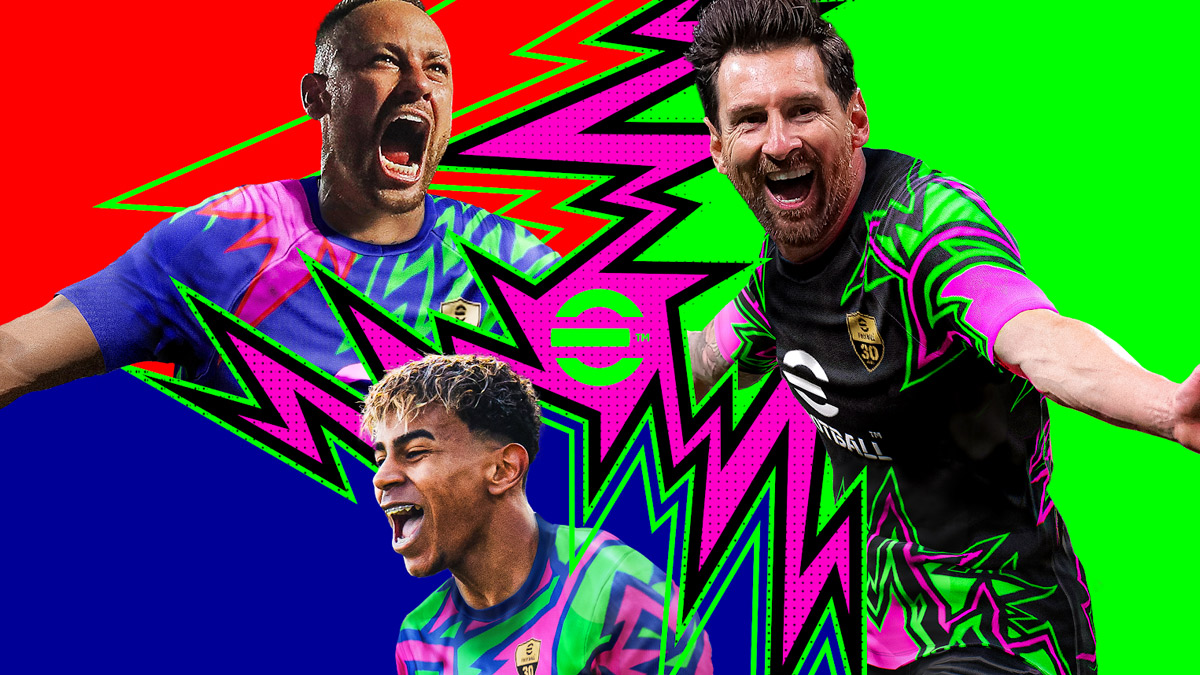
MUMBAI: When cricket meets football in the virtual world, even the biggest fans can’t help but score and Konami’s latest eFootball campaign in India has clearly hit the back of the net. Konami Digital Entertainment has successfully wrapped up its India campaign for eFootball, which brought together cricketers Rinku Singh and Varun Chakravarthy, actors Naslen Gafoor and Chandu Salim Kumar, and footballers Sahal Abdul Samad and Shubhasish Bose. The multi-star campaign generated strong excitement across gaming, football, and creator communities through social content, fan participation, and in-game engagement.
Building on the initial launch that featured a limited-time Lionel Messi card, the campaign united fan communities, lifestyle creators, football creators, and competitive eFootball influencers. It significantly expanded the game’s visibility and deepened engagement with fans across the country.
The campaign also saw thousands of entries submitted as part of its social media engagement challenge, reflecting high levels of community enthusiasm and active creator involvement.
Looking ahead, Konami plans to build on this momentum with more eFootball experiences for Indian fans as the FIFA World Cup 2026 approaches. With global attention on the tournament set to rise, India will remain a key market for deepening community engagement and bringing fans closer to the action.
In a country that lives and breathes sport, Konami has shown that mixing real-world stars with virtual thrills is a winning formula leaving fans eagerly waiting for the next goal.






