Applications
DataWind emerges as the number one tablet maker in India


NEW DELHI: DataWind, which claims to be the cheapest tablet in the world, has a total market share of 15.3 per cent and it is the number one tablet maker in India.
DataWind CEO Suneet Singh Tuli, who has so far been selling the tablets through certain universities and the Communications and Information Technology Ministry, now plans to go online to sell the tablet.
At present, DataWind tablets are primarily currently sold through its call-centre. Its website UbiSlate.com and other ecommerce partners intend to start establishing a retail presence this summer.

According to Cyber Media Research‘s India Quarterly Tablet Market report for Q1 2013, DataWind with a share of 15.3 percent in Indian tablet market is well ahead of Micromax (12.3 percent) and Apple (11.7 percent) in the first quarter of 2013.
Interestingly, DataWind‘s supply of 100,000 Aakash2 devices to IIT-Bombay are not included in CMR‘s Tablet Market Report. CMR considers the volume of commercially sold product for the calculation.
“The enormous demand for our products helps validate ourfocus on affordability and connectivity. Unlike many in this industry that are focused on providing media tablets to the elite, our focus is to enable Indians with their first computer at an affordable price,” said Tuli.
The company‘s UbiSlate 7C+ is the lowest priced tablet in the world at Rs 4,999 inclusive of all duties and taxes in the Indian market.
Exactly a year earlier, UbiSlate introduced multi-lingual tablet in English, Hindi, Marathi, Tamil, Punjabi and various other languages of India and the world.
Datawind entered a strategic alliance with Reverie Language Technologies Pvt. Ltd. of Bangalore to ensure that the Ubislate series of tablets will offer an end user experience in all major local languages of India and the world.
In April last year, Aakash One and Aakash Two tablets – technically named by its manufacturer DataWind as Ubislate 7+ and Ubislate 7C Models – were launched formally launched despite the controversy that surrounded the brand with Indian Institute of Technology – Rajasthan rejecting the models and the government shifting the work to IIT- Mumbai.
The tablet provides smartphone communication, internet access, tablet computing and multimedia entertainment, the devices also pack a powerful combination of content and applications.


Applications
With 57 per cent single new users, Ashley Madison rebrands as discreet dating platform
Platform says majority of new members now identify as single
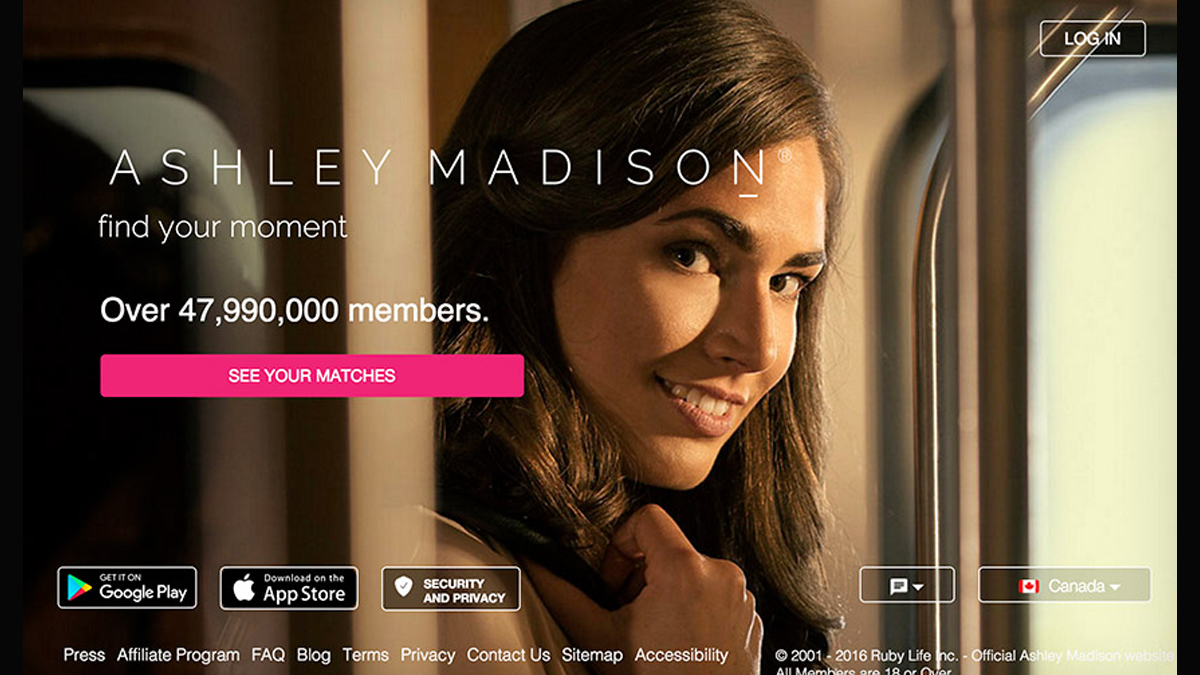
INDIA: Ashley Madison is shedding the “married-dating” label that defined it for two decades, repositioning itself as a platform for discreet dating in what it calls the post-social media age.
The rebrand, unveiled in India on 27 February, 2026, marks a structural shift in business model and identity. Once synonymous with married dating, the company now describes itself as the “premier destination for discreet dating” under a new tagline: Where Desire Meets Discretion.
The pivot is data-driven. Internal figures show that 57 per cent of global sign-ups between 1 January and 31 December, 2025 identified as single: a notable departure from the platform’s married core. The company argues that its community has already evolved beyond its original positioning.
“In an age where our lives have been constantly put on public display, privacy has become the new luxury,” said Ashley Madison chief strategy officer Paul Keable. He framed the platform’s offering as “ethical discretion” for singles, separated, divorced and non-monogamous users seeking private connections.
The shift also taps into wider digital fatigue. A global survey conducted by YouGov for Ashley Madison, covering 13,071 adults across Australia, Brazil, Canada, Germany, India, Italy, Mexico, Spain, Switzerland, the UK and the US, found mounting discomfort with hyper-public online lives.
Among dating app users, 30 per cent cited constant swiping and messaging as a source of fatigue, while 24 per cent pointed to pressure to curate public-facing profiles and early personal disclosure. Some 27 per cent said fears of screenshots or information being shared contributed to exhaustion; an equal share cited unwanted attention.
The retreat from oversharing appears broader. According to the survey, 46 per cent of adults actively try to keep most aspects of their life private online. Only 8 per cent feel comfortable sharing most aspects publicly, while 35 per cent say they are becoming more selective about what they disclose.
Ashley Madison is betting that this cultural recalibration towards controlled visibility can be monetised. By doubling down on privacy infrastructure and reframing itself around discretion rather than infidelity, the company is attempting to convert reputational baggage into a premium proposition.








