Applications
Contextual marketing with web content is the next big thing


MUMBAI: The third WatSummit took place in Mumbai and it brought together executives from the digital industry to a single platform. The panellists not only shared industry insights but also gave a forecast of the biggest trends for this year.
The summit began with a welcome note from WatMedia founder, CEO Rajiv Dingra.
Keynote speaker Microsoft senior director for Emerging Markets, India, Malaysia, Thailand & Korea Advertising and Online Neville Taraporewalla shared his views on the growth of social media, the smartphone culture across the world. “Growth of smartphones and tablets are changing consumer experience are catalysts in building an identity in the digital space” he said. According to him the smart phone culture has given a huge impetus to gamification. “Games are everywhere. Everything is becoming a game. In Korea, games are ranked no. 2 activity, after talking on phone”he added.

The first panel discussion of the summit – Social Media Marketing – Making sense of jibber-jabber by brands saw personalities like MTV India head digital Eklavya Bhattacharya, PaulWriter CEO Jessie Paul, KRDS business head Asia Preetham Venky and Komli Media VP and country head Ad Network Gulshan Verma discussing social media platforms and the opportunities it brings for the B2B and B2C brands.
While Jessie Paul thought that B2B is a major challenge on social media, Eklavya deciphered the pros of contextual advertising catering to the B2C industry. It was commonly agreed that platforms like Facebook and Twitter drive engagement and help you converse with the B2C group and platforms like Linkedin are more influential for B2B. “B2B is a slow adopter of social media.” said Paul.
The second panel discussion – Digital Media Marketing – ‘Can it build a brand on its own?’ saw panelists discussing conversions and the effectiveness of the digital medium to enable conversions. There is a lot of investment that goes into digital. Madison Media digital director Amit Duggal said, “Any medium that converts more than 100 million users is a huge medium in itself.”
The effectiveness and importance of mobile marketing was discussed at length at the fourth panel discussion – Mobile Marketing – Promises of reach Vs. Actual Impact. The panelists were seen conferring the various aspects of mobile marketing. Mobile First is the way for marketers. The point was made that advertisers have realised the need of the mobile medium and its penetration. It was also stated by the panelists that there is a lot of impact-oriented strategies taking place on mobile. ‘App routes’ and ‘Web routes’ are the best ways to target consumers on mobile.
Known for his expertise at start-up Games2Win co-founder, CEO Alok Kejriwal said, “If you are a start-up, you don’t spend money, you spend your brain.”







Applications
With 57 per cent single new users, Ashley Madison rebrands as discreet dating platform
Platform says majority of new members now identify as single
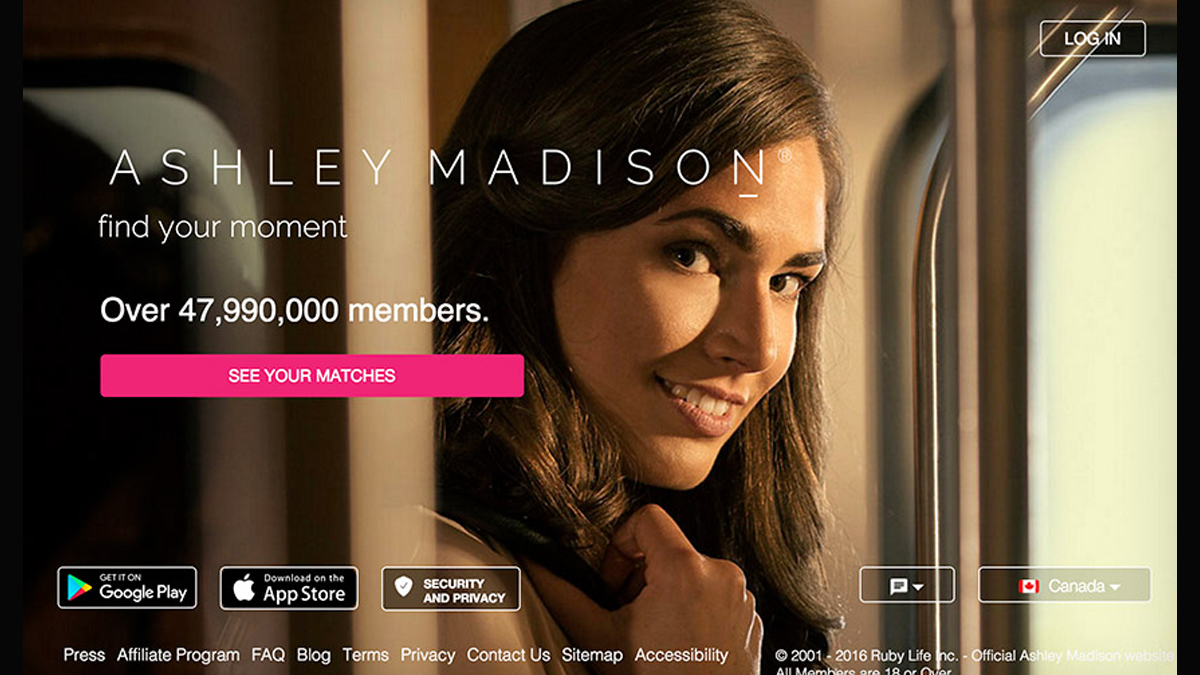
INDIA: Ashley Madison is shedding the “married-dating” label that defined it for two decades, repositioning itself as a platform for discreet dating in what it calls the post-social media age.
The rebrand, unveiled in India on 27 February, 2026, marks a structural shift in business model and identity. Once synonymous with married dating, the company now describes itself as the “premier destination for discreet dating” under a new tagline: Where Desire Meets Discretion.
The pivot is data-driven. Internal figures show that 57 per cent of global sign-ups between 1 January and 31 December, 2025 identified as single: a notable departure from the platform’s married core. The company argues that its community has already evolved beyond its original positioning.
“In an age where our lives have been constantly put on public display, privacy has become the new luxury,” said Ashley Madison chief strategy officer Paul Keable. He framed the platform’s offering as “ethical discretion” for singles, separated, divorced and non-monogamous users seeking private connections.
The shift also taps into wider digital fatigue. A global survey conducted by YouGov for Ashley Madison, covering 13,071 adults across Australia, Brazil, Canada, Germany, India, Italy, Mexico, Spain, Switzerland, the UK and the US, found mounting discomfort with hyper-public online lives.
Among dating app users, 30 per cent cited constant swiping and messaging as a source of fatigue, while 24 per cent pointed to pressure to curate public-facing profiles and early personal disclosure. Some 27 per cent said fears of screenshots or information being shared contributed to exhaustion; an equal share cited unwanted attention.
The retreat from oversharing appears broader. According to the survey, 46 per cent of adults actively try to keep most aspects of their life private online. Only 8 per cent feel comfortable sharing most aspects publicly, while 35 per cent say they are becoming more selective about what they disclose.
Ashley Madison is betting that this cultural recalibration towards controlled visibility can be monetised. By doubling down on privacy infrastructure and reframing itself around discretion rather than infidelity, the company is attempting to convert reputational baggage into a premium proposition.








