iWorld
Content maven Manish Dubey to ride YouTube wave at Infinitum Network


MUMBAI: Manish Dubey has landed a plum role as head of content strategy and partnerships at Infinitum Network Solutions, a digital content behemoth controlling 400-plus YouTube channels across 100 languages.
The media veteran, previously content head with Suniel Shetty Productions, brings a robust track record spanning UTV Stars, Disney India, and television newsrooms. His new brief: to transform Infinitum’s already impressive 300-million-subscriber empire.
“YouTube is like an ocean,” Dubey mused, “the deeper you dive, the more you realise its vastness.”
His strategic remit covers sports, news, entertainment, comedy, business, health, and beauty verticals.
Founders Satyadev Chada and Vandana B have positioned Dubey to attract top-tier talent and drive innovation across markets including the middle East, Europe, India, Asia Pacific, and the US.

The move signals Infinitum’s aggressive expansion in the digital content landscape, with Dubey positioned to chart bold new content strategies.



iWorld
Tech firms tweak office operations amid LPG shortage concerns
Infosys, HCLTech and Cognizant adjust cafeteria services and work policies.
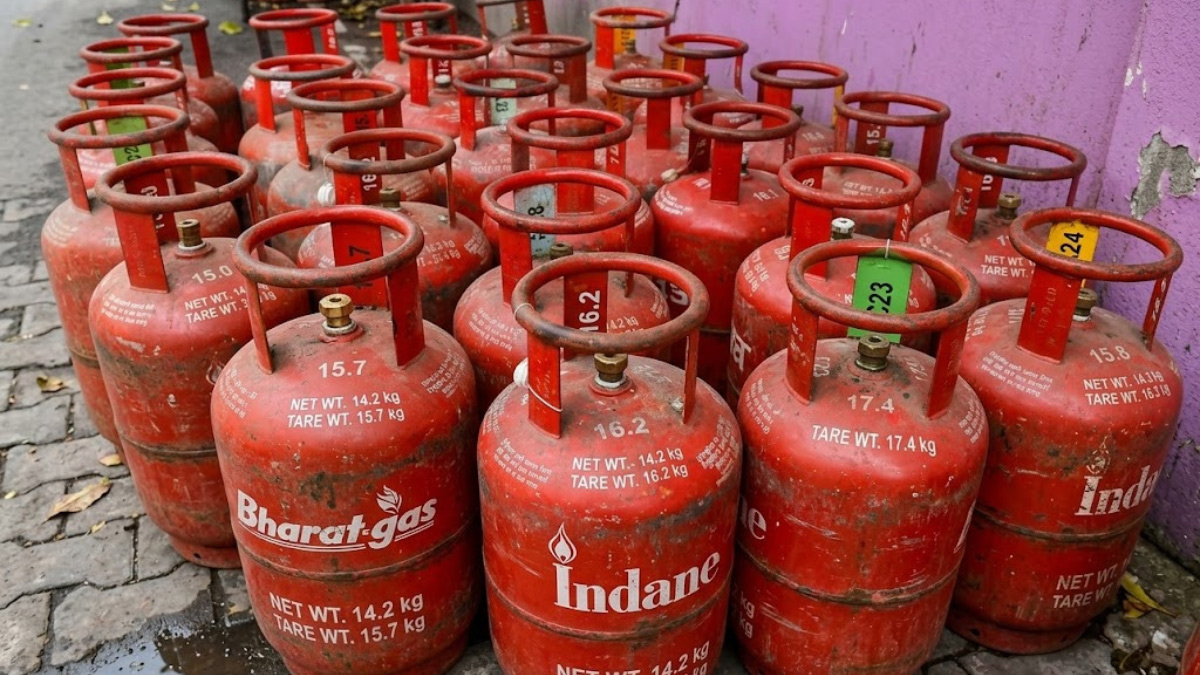
MUMBAI: When geopolitics turns up the heat, even office cafeterias start feeling the burn. Several technology companies in India are adjusting workplace operations and food services as concerns over a nationwide shortage of liquefied petroleum gas (LPG) grow following escalating tensions in West Asia. Major IT firms including Cognizant, Infosys and HCLTech have begun rolling out contingency measures to reduce dependence on office cafeterias that rely heavily on commercial LPG.
The disruption stems from rising geopolitical tensions involving Iran after military action by the United States and Israel reportedly led to the closure of the Strait of Hormuz, a critical global shipping route for oil and gas supplies. The closure has disrupted the movement of LPG and liquefied natural gas across international markets, triggering concerns about supply constraints and price volatility.
According to a report by The Times of India, Cognizant has advised employees to bring their own meals to office where possible to reduce reliance on office cafeterias dependent on LPG based cooking.
The company has reportedly told staff that it is preparing for potential disruptions driven by supply prioritisation, price fluctuations and pressure on vendor networks.
As part of contingency planning, Cognizant is identifying alternative food vendors that do not rely on LPG. These include kitchens using induction based or solar powered cooking systems.
The company is also exploring partnerships with cloud kitchens that operate on electric or solar power to ensure uninterrupted food supply in case conventional cooking gas availability worsens.
Additionally, Cognizant is evaluating the possibility of expanding work from home or hybrid arrangements for non critical roles, partly to reduce commuting exposure if fuel prices rise sharply due to global energy disruptions.
Meanwhile, HCLTech allowed employees at its Chennai office to work from home on March 12 and March 13 after cafeteria vendors were unable to operate because of the LPG shortage.
Several food service vendors at the campus reportedly suspended operations as they struggled to secure cooking gas supplies, prompting the company to permit staff to work remotely for the two days.
Infosys has also issued internal advisories across multiple locations, including its campuses in Bengaluru and Chennai.
The company informed employees in Bengaluru that cafeteria services would continue but with reduced menu options due to concerns around commercial LPG availability.
As part of the temporary adjustments, live food counters have been suspended, and employees have been encouraged to bring home cooked food while the situation evolves.
While LPG shortages in India remain a developing situation, the measures taken by these technology firms highlight how global geopolitical disruptions can ripple through unexpected corners of the economy, even the humble office lunch.
For companies with large campuses and thousands of employees relying on daily cafeteria services, cooking fuel shortages can quickly turn into an operational challenge. Until global supply chains stabilise, many workplaces may find themselves rethinking everything from food sourcing to flexible work policies.