Gaming
Communications for esports and online gaming in India

Mumbai: India’s Esports and online gaming sector is experiencing explosive growth. With hundreds of millions embracing online gaming and the esports sector experiencing explosive growth, the potential for Esports brands and online gaming companies is undeniable. However, reaching this massive and diverse audience effectively presents a unique challenge. Gone are the days of generic marketing messages. Navigating the vast digital ecosystem, navigating evolving regulations, catering to regional preferences, and fostering genuine connections are all crucial for brands to resonate with India’s increasing gaming community. In this article, we’ll look at the different aspects of establishing communication strategies for India’s rapidly expanding e-sports and online gaming scene.
Building bridges with mainstream media
A persistent challenge for esports and online gaming PR is the disconnect between the industry’s thriving reality and its portrayal in mainstream media. Despite Esports’ explosive growth and dedicated communities, outdated stereotypes paint gaming as a solitary, even harmful, activity. These misrepresentations, often perpetuated by mainstream media outlets, hinder efforts to attract broader audiences and secure positive attention. Bridging this gap requires strategic PR campaigns that showcase the true depth of the gaming experience. Highlighting the social aspects – teamwork, communication, and collaboration within vibrant online communities – can dismantle the “loner gamer” stereotype.

Educating audiences on iGaming
The last year has seen an explosion in iGaming companies. However, audiences need more education on playing for real money and the rules associated with the same.
Furthermore, engaging in industry events and panel discussions allows brands to showcase their commitment to these positive developments. These open dialogues with stakeholders, media representatives, and gamers provide a platform to address concerns directly and promote a more positive narrative for the industry as a whole.
Additionally, catering to regional preferences adds another layer of complexity to brand communication strategies. India has a varied gaming population with a broad spectrum of different regional preferences. Catering to these preferences is essential for success. Creating content and marketing materials in regional tongues like Telugu, Tamil, and Hindi demonstrates a genuine commitment to the Indian market. Promoting local pro-gamers and using local references in communication tactics helps to establish a stronger bond with the target audiences. This shows the gaming companies understand and value the specific interests of Indian gamers.
In conclusion, navigating the Indian Esports and online gaming landscape requires a multifaceted approach. By embracing digital innovation, staying informed about regulations, tailoring content for diverse audiences, and fostering genuine connections with gamers, brands can unlock the immense potential of this burgeoning market. Moreover, strategic PR efforts that bridge the gap with mainstream media by highlighting the social, competitive, and cultural aspects of gaming are crucial for achieving mainstream acceptance and shaping a positive narrative for the industry as a whole. As India’s Esports scene continues its meteoric rise, innovative communication strategies will be the key to fostering a thriving ecosystem that benefits both gamers and brands alike.
The author of this article is Pepper Communications Group senior manager – PR Karishma Maindan.





Gaming
MTG gaming chief Benninghoff joins NODWIN board as esports firm primes for IPO
The Gurugram-based esports firm is pursuing a public listing, has returned to profitability and is growing revenues by 42 per cent
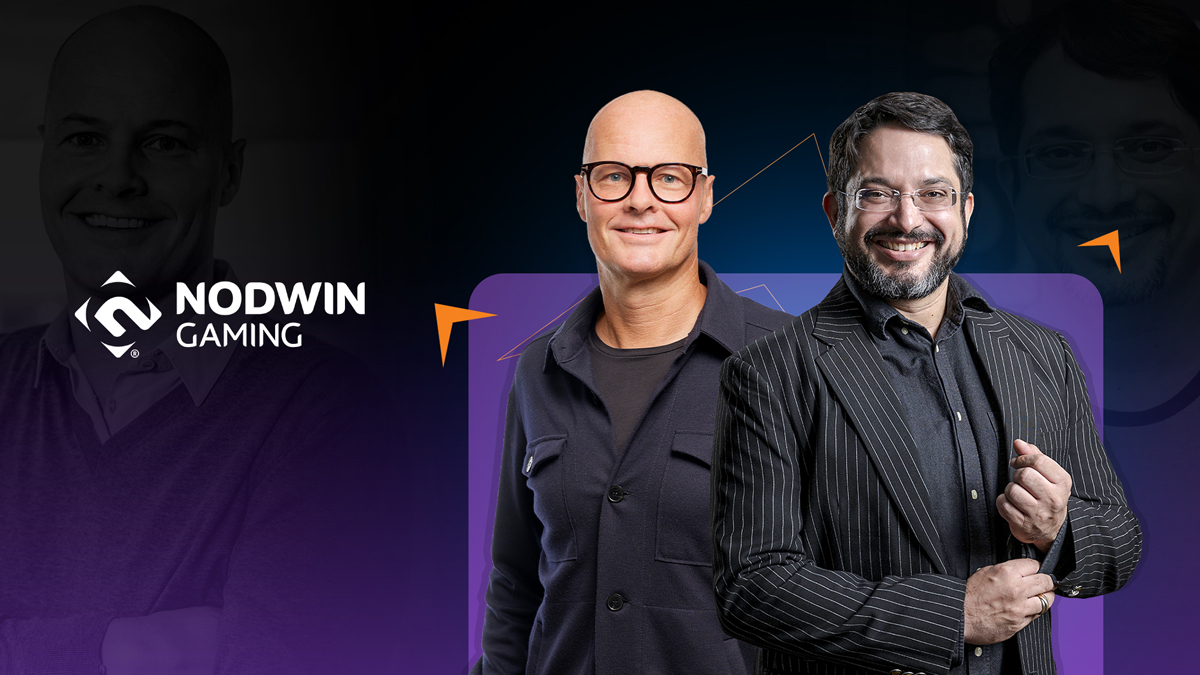
GURUGRAM: NODWIN Gaming is moving fast. The Gurugram-based gaming and esports company has launched a pre-IPO fundraising round, appointed UBS as lead adviser for both the round and a subsequent public listing, and landed a heavyweight board director, all in one go.
The new board member is Arnd Benninghoff, executive vice president of gaming at Stockholm-listed Modern Times Group (MTG), who has overseen the group’s strategic investments and portfolio growth since 2014. He is no stranger to building things: Benninghoff has founded and built fifteen companies, served as chief digital officer at ProSiebenSat.1 Media AG, managing director of SevenVentures, and chief executive of Holtzbrinck eLAB. He began his career as a journalist at Deutsche Presse Agentur and various TV networks, holds a Diplom-Kaufmann in business and administration from the University of Münster, and previously sat on the board of Edgeware AB.
The numbers back the ambition
NODWIN is not pitching a story without substance. The company has returned to EBITDA profitability and posted a 42 per cent year-on-year revenue surge, reaching $58.5m in the first nine months of FY2026. The pre-IPO round will combine a primary issuance to fund global expansion through organic growth and acquisitions, alongside a secondary sale to give existing shareholders some liquidity.
Akshat Rathee, co-founder and managing director of NODWIN Gaming, said Benninghoff understands “the entire lifecycle of the gaming and media ecosystem, from the boots-on-the-ground reality of building startups to the strategic complexity of managing multi-billion dollar global portfolios.”
Benninghoff, for his part, said the company “sits at the intersection of sports, entertainment, and technology, making it one of the most exciting players in the global gaming landscape today.”
A portfolio built for the global south
Founded in 2014 by Rathee and Gautam Virk, NODWIN has quietly assembled one of the more compelling esports portfolios outside the Western hemisphere. Its properties include DreamHack India and Comic Con India, and it recently acquired StarLadder, the Ukraine-based tournament organiser behind premier events in CS:GO and Dota 2. The company also serves as a long-term strategic marketing partner for the Evolution Championship Series (EVO), the world’s most prominent fighting game tournament, helping push it into new geographies.
Its geographic focus spans South Asia, Central Asia, Southeast Asia, the Middle East and Africa. Backers include Nazara Technologies, KRAFTON, Sony Group Corporation, JetSynthesys, and the founders’ investment vehicle Good Game Investments.
What comes next
With UBS running the books, a board freshly reinforced with European media and gaming expertise, and revenue heading in the right direction, NODWIN is laying the groundwork deliberately. The esports industry has burned investors before with big promises and thin margins. NODWIN’s return to profitability, combined with a real portfolio of owned intellectual properties across gaming, music and youth culture, gives it a more credible runway than most. The IPO clock is now ticking.