News Broadcasting
CNN’s new weekday programme to start with Micromax CEO

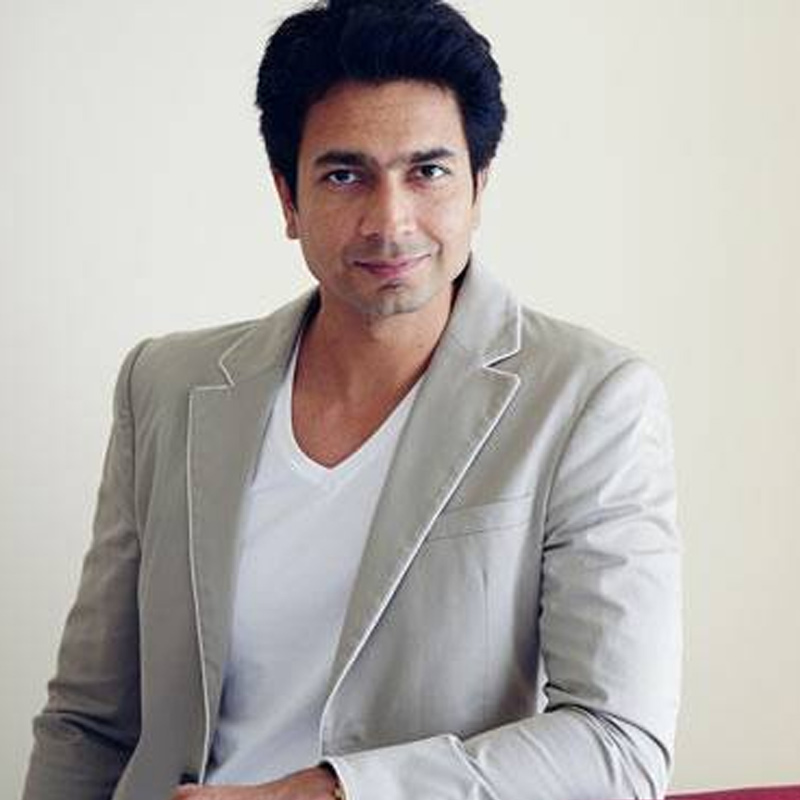
MUMBAI: CNN is all set to put the spotlight on one of the world’s fastest growing economy, India. Starting 17 November, a series of vignettes will be featured in a show titled “India 20 Under 40.” The show will see 20 young Indian entrepreneurs who are re-shaping how India does business.
A new entrepreneur will be featured every fortnight commencing with Micromax CEO Rahul Sharma. It will air within CNN Money with Maggie Lake airing from 7:30 pm to 8:30 pm every Monday to Friday.
A week of special programming will be broadcast from 28 November on the channel. India 2020 will take viewers to meet some of the entrepreneurs who are overcoming various obstacles and bringing their ideas to life in India. These include visionaries and innovators across diverse industries.

An iconic motorcycle brand
Royal Enfield is one of the world’s oldest motorcycle manufacturers with die-hard fans, who gather for weekend rides and huge festivals. The company was struggling when Siddhartha Lal took the helm back in 2000, at the age of 26. Now the Chennai-based company is expanding sales in the U.S. and Europe, and building a third manufacturing facility.
The future of manufacturing
The robotics industry is expected to double in India over the next 3-4 years. Hi-Tech Robotic Systemz is an up-and-coming company based in Gurgaon whose innovations include India’s first indigenous driverless car. The world’s first production brain controlled wheelchair, “Manav” is completely made in India by A-Set. As cutting-edge research continues to push the industry forward, CNN meets A-set’s Head of robotics and research Diwakar Vaish who is helping to lead the way.
Innovating from ancient tradition
Indian innovators are finding new inspiration from old ideas. Take turmeric: an ancient, and common spice in Indian cooking is a hot commodity thanks to its applications in medicine and beauty products. The Himalaya Drug Company has a long tradition of creating products ranging from facewash to toothpaste, supplements to shampoo by applying scientific research to Ayurvedic principles. CNN catches up with CEO Philipe Haydon, who has helped transform the company, reaching consumers in 92 countries.
Brighter businesses
In India, two out of 10 people do not have access to electricity. Orb Energy manufactures and distributes solar energy systems with more than 100 branches across eight Indian states and employing about 500 people in the field. It’s opening a new factory to produce solar modules in Bangalore and aims to provide 2 gigawatts of solar energy by 2022, or 5 per cent of the national total.
Creating new opportunities
India’s animation and VFX industry grew nearly 14% in 2015, and is projected to be a US$1.6-billion industry by 2020. One such leading studio is Makuta VFX. It’s working on the sequel to Baahubali, one of India’s highest grossing movies. Makuta is based in Hyderabad, which is trying to position itself as a hub for gaming and animation. The government has broken ground on a new facility to house more than 200 startups in multimedia and entertainment, and recently launched an initiative to connect those emerging companies to the global marketplace.
India 2020 half hour special airs at:

November also marks the launch of a fully dedicated CNNMoney India subpage devoted to covering business and economic news coming out of the country. The launch of CNNMoney India underscores the company’s commitment to bringing global audience the latest economic developments from India and will highlight the most exciting young innovators from the region, and the successes and challenges of doing business here.





News Broadcasting
TV9 to host What India Thinks Today Summit 2026 in Delhi
PM Narendra Modi to keynote two day forum on India and the world
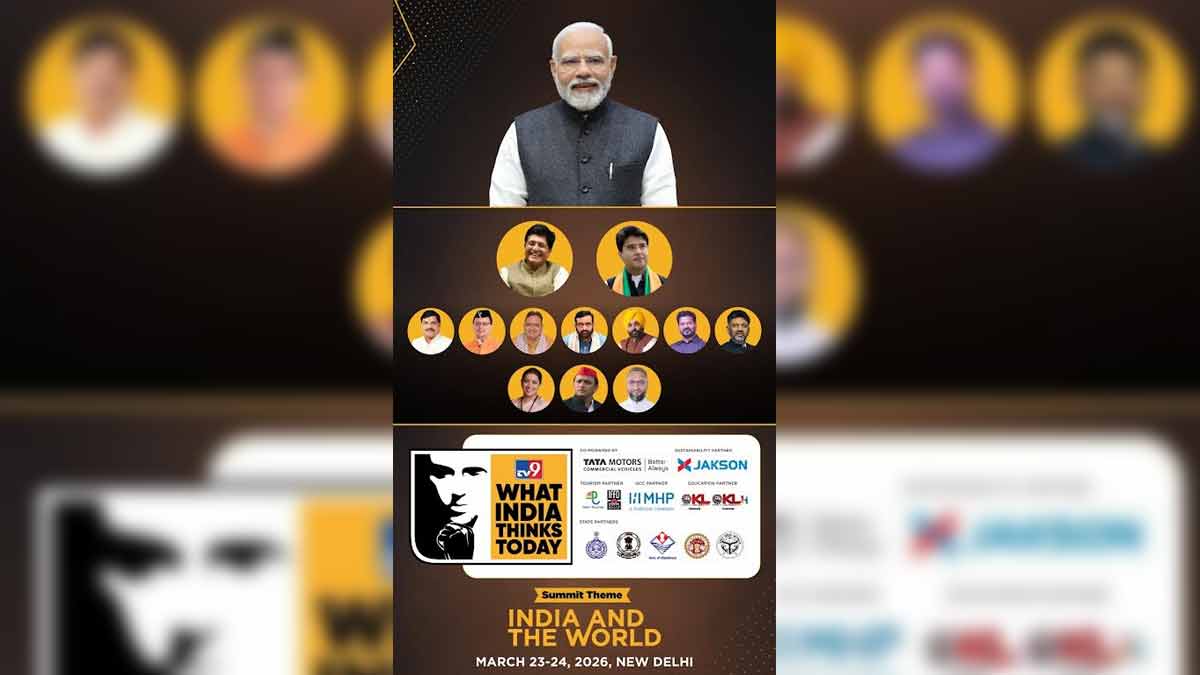
NEW DELHI: TV9 Network is gearing up to host the fourth edition of its flagship What India Thinks Today Summit 2026 on March 23 and 24 in the national capital, bringing together a wide spectrum of voices to debate India’s place in a shifting global order.
The summit will open with a keynote address by Narendra Modi, setting the tone for this year’s theme, “India and the world”, as the country positions itself at the crossroads of economic growth, geopolitical shifts and technological change.
From cabinet ministers to chief ministers, business leaders to cultural figures, the event promises a crowded stage and a lively exchange of ideas. Union ministers such as Piyush Goyal and Jyotiraditya Scindia are expected to attend, alongside state leaders including Mohan Yadav, Pushkar Singh Dhami, Bhajan Lal Sharma, Nayab Singh Saini and Bhagwant Mann.
Political voices from across the aisle, including Smriti Irani, Akhilesh Yadav and Asaduddin Owaisi, will also join the conversation, ensuring that the debates are as diverse as they are dynamic.
Adding a cultural and sporting touch, personalities such as yoga guru Swami Ramdev, poet Kumar Vishwas and cricketing names like Sourav Ganguly, Axar Patel and Arshdeep Singh are set to share the stage. Global business leaders and diplomats will further widen the lens, reflecting the summit’s international outlook.
Speaking ahead of the event, TV9 Network managing director and chief executive officer Barun Das, said India stands at a unique moment in history, combining demographic strength, technological capability and entrepreneurial energy. He noted that in uncertain times, honest conversations and bold ideas will shape the country’s trajectory.
The summit will explore themes ranging from economic growth and governance to innovation, sustainability and culture, positioning itself as a platform for dialogue at a time when the world is in flux.
With a packed agenda and a high-profile guest list, What India Thinks Today Summit 2026 aims to do more than just talk. It seeks to capture a moment where India is not only part of the global conversation, but increasingly helping lead it.