News Broadcasting
CNBC India ‘blows the lid on confidential TV ratings’ system in India?


Business channel CNBC India today broke a story casting doubt on the efficacy of television peoplemeters in India, saying it was “not foolproof, not confidential and definitely open to manipulation.”
CNBC reporter Naomi Dutta had with her the full list of 627 households supplied with peoplemeters that make up the sample population used by the two market research agencies – ORG MARG’s Intam ratings and AC Nielsen’s TAM data – to calculate television ratings points (TRPs) in the city of Mumbai.
The business channel’s viewpoint is that the ramifications of a reporter getting hold of the list of members of the peoplemeter sample are enormous. “The reporter had no devious intentions,” is the channel’s view. “A motivated person getting hold of the list could doctor the ratings as and when they please.”

Dutta was shown on CNBC today morning entering some selected households in Mumbai which had the elusive peoplemeters installed. The family members interviewed on the channel were quite comfortable with the use of the meters and most of the households shown had had the meters in their residences for at least two to three years.
Asked what benefits the they got from having the meters in their homes, the people interviewed said they got gifts from the ratings agencies during the festival season. Another observation is that the people interviewed were certainly not from the SEC A & B households that most media planners are sold on.
Among the industry people who were interviewed for their reactions was MTV India MD Alex Kuruvilla.



News Broadcasting
CNN-News18 to host Fury in the Gulf conclave on West Asia crisis
Three-hour summit to unpack geopolitical fallout and impact on India
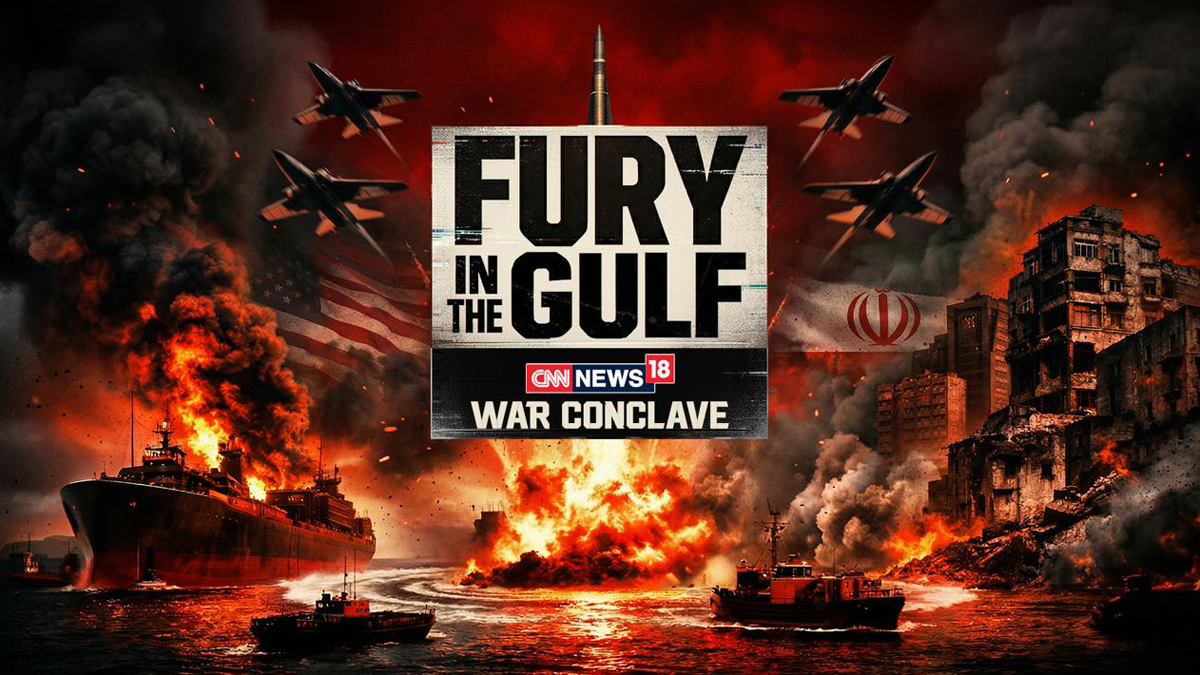
MUMBAI: CNN-News18 is set to host a special three-hour broadcast, Fury in the Gulf – War Conclave, on April 7, aiming to decode the escalating West Asia crisis and its far-reaching implications for India.
Scheduled from 4:00 PM to 7:00 PM, the conclave comes at a time when tensions between Iran and the United States are reshaping global geopolitics and triggering economic uncertainty. With India’s deep energy ties, trade links and large diaspora in the Gulf, the developments carry significant domestic relevance.
Built around the theme ‘Conflict, Consequences, and The Future,’ the programme will feature six curated sessions combining one-on-one interviews and panel discussions. The focus is to cut through the clutter and offer viewers a clearer understanding of the fast-evolving situation.
Key sessions include ‘Diplomacy in Times of War’ featuring Shashi Tharoor, and ‘World After the Iran Conflict’ with voices such as Ram Madhav, Reuven Azar, representatives from the European Union and the Iranian Deputy Envoy. Another session titled ‘Another Dunkirk?’ will bring together K. J. S. Dhillon and Jitin Prasada among others.
CNN-News18 editorial affairs director Rahul Shivshankar said, “In times of war, clarity becomes the most powerful tool. Fury in the Gulf – War Conclave brings together credible voices to address the questions and confusion that arise amid an overwhelming influx of information.”
He added that the initiative is aimed at delivering “facts, perspective, and insight” at a time when misinformation can easily cloud public understanding.
Echoing the sentiment, CNN-News18 CEO– English and business news Smriti Mehra said the conflict marks a defining global moment, with consequences that extend well beyond the region. She noted that the conclave seeks to present the crisis with “depth, nuance and responsibility” so audiences can better grasp its real-world impact.
As geopolitical tensions continue to dominate headlines, the conclave positions itself as an attempt to bring order to the noise, offering viewers a structured, insight-led look at a complex and rapidly shifting global situation.






