Hindi
Cinema is not going to be an easy sell: Inox’s Anand Vishal on advertisers returning

Mumbai: After nearly 18 months of strict lockdowns and intermittent breathers, the opening of theatres in Maharashtra signals the much-awaited revival of the industry that was hit hardest among all entertainment media. With an estimated 146 million people returning to the theatres, advertiser interest in the medium is also witnessing healthy revival, albeit slowly.
For the next three months starting Diwali, an impressive line-up of movies including ‘Sooryavanshi’, ‘Bunty aur Babli 2’, ‘Satyamev Jayate 2’, ‘83 The Film’, ‘Jersey’, ‘Tadap’, ‘Chandigarh Kare Aashiqui’, ‘No Means No’, ‘Annaatthe’, ‘777 Charlie’, ‘Pushpa : The Rise’, ‘Antim: The Final Truth’ and ‘Bhavai’ awaits the audiences in 2021 alone.
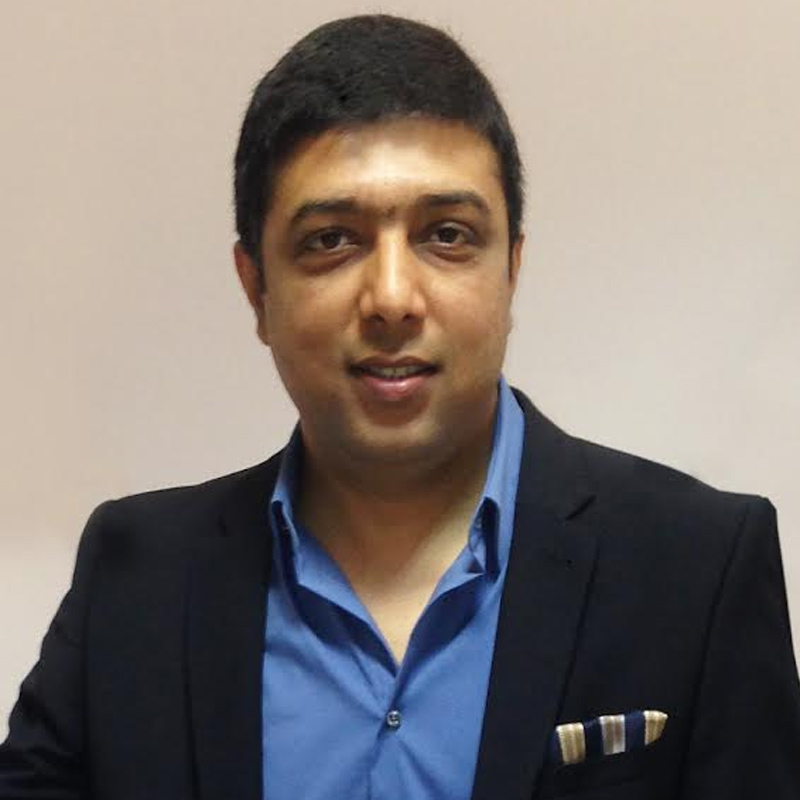
Inox Leisure Ltd chief sales and revenue officer Anand Vishal tells us that the continuous flow of content from Diwali will ensure the return of advertisers to the cinema, however, it could take anywhere between three to six months for the volumes and rates to reach pre-covid levels.

In-cinema advertising contributes around 11-12 per cent to the overall revenue pie for Inox. Vishal is expecting a 25-30 per cent drop in rates from what he was operating at earlier. As regards volumes, in a typical week like ‘Sooryavanshi’, there used to be nearly 100-125 advertisers on board, nationally. He anticipates 75-80 per cent of them to return for the big Diwali release on 5 November.
Even as the situation plays out, Vishal says that numbers are not his primary concern at present. The focus is on bringing advertisers who have been away from the medium due to the lack of either content or a proper timing of the release, back to it.
“The strength of Cinema as an advertising medium is that it offers a large and relevant audience for brands across categories. Unlike TV where there is a lot of refraction or variance happening, the definite and premium price-points at which we operate are what get brands interested in us. It’s just a matter of time until advertisers taste the success of this medium once again. In the meanwhile, though, Cinema is not going to be an easy sell,” he avers.
Given the uncertainty that prevails around the number of footfalls in theatres, brands, even though enthusiastic about the reopening, are treading with caution. While all sorts of pricing negotiations continue to happen, Vishal informs that Inox is encouraging marketers to opt for the CPC or Cost Per Contact model wherein the advertiser pays for the number of admits at a fixed rate per person.
“The numbers of the audience may have gone done, but the quality hasn’t, and therefore we believe this model is best suited and fair for both parties. The approach is working well with the premium, regular clients who are well-acquainted with the medium, but a lot of small and medium budget clients do not understand this model, and that’s where rate negotiations come into the picture. That being said, we are carefully judging where we need to stop. In the process of making informed decisions, we might have to let people go, but we are definitely not selling ourselves short,” he asserts.
Among the brands that are proactively returning are the likes of Manyavar, Siyaram’s, Allen Solly, Lux, and OnePlus that share a long association with Cinemas, being present on all screens throughout the year. Others that advertise five-six times in a year are the ones that the multiplex brand is making an effort to reach out to for the volumes.
For ‘No Time to Die’ Inox roped in two new luxury clients, namely, Tata CLiQ and NDC (Natural Diamond Council). The rise of new-age, online/tech advertisers that was fuelled by the pandemic has been media agnostic. Vishal shares that he is “looking forward to a good 15-20 per cent advertisers from this space, which includes e-commerce, edtech, and cryptocurrency brands, pushing revenues for Inox”.






Hindi
India’s telecom subscribers cross 1.32 billion in February 2026
Broadband base swells past 1.06 billion as Jio and Airtel tighten grip on the market.
MUMBAI: India’s telecom sector is ringing in steady growth once again adding millions of new connections every month while the race for broadband supremacy continues to heat up like a fiercely contested cricket match. According to the latest data released by the Telecom Regulatory Authority of India (TRAI) on 1 April 2026, the total telephone subscriber base in the country reached 1,321.31 million at the end of February 2026. This marked a net addition of 7.31 million subscribers during the month, translating into a monthly growth rate of 0.56 per cent.
Wireless subscribers (including mobile and Fixed Wireless Access) stood at 1,273.31 million, registering a net addition of 6.97 million and a growth rate of 0.55 per cent. Within this, urban wireless connections grew to 730.75 million (growth 0.70 per cent), while rural wireless subscribers reached 542.56 million (growth 0.35 per cent).
Wireline subscribers, though much smaller in scale, showed slightly faster growth. The total wireline base increased to 47.99 million, with a net addition of 0.34 million and a monthly growth rate of 0.70 per cent. Urban areas continued to dominate wireline connections with a share of 89.41 per cent.
Overall tele-density in India improved to 92.66 per cent. Urban tele-density stood at 150.68 per cent, while rural tele-density edged up to 60.02 per cent.
The broadband subscriber base crossed a significant milestone, reaching 1,059.05 million at the end of February 2026. This reflected a healthy net addition of 6.33 million subscribers and a monthly growth rate of 0.60 per cent from January’s figure of 1,052.72 million.
Segment-wise, mobile wireless access continued to drive the majority of growth with 996.52 million subscribers. Fixed Wireless Access (including 5G FWA) added 16.51 million, while wired broadband stood at 46.02 million.
Reliance Jio Infocomm Ltd. maintained its commanding lead with 519.64 million broadband subscribers. Bharti Airtel Ltd. followed with 364.14 million, Vodafone Idea Ltd. with 129.36 million, Bharat Sanchar Nigam Ltd. with 28.70 million, and Atria Convergence Technologies Ltd. with 2.38 million.
Together, these top five players command a massive 98.60 per cent share of the total broadband market.
In the wireless (mobile) segment, private operators continued to dominate with 92.59 per cent market share, leaving public sector undertakings (BSNL and MTNL) with just 7.41 per cent.
Out of the total 1,257.29 million wireless (mobile) subscribers, 1,177.60 million were active on the peak Visitor Location Register (VLR) date, representing an impressive 93.66 per cent activity rate. Bharti Airtel led in this metric with 99.42 per cent of its subscribers active.
Meanwhile, 14.47 million subscribers submitted requests for Mobile Number Portability (MNP) in February, indicating healthy competition and customer churn across zones.
While urban areas still lead in absolute numbers, rural connectivity is slowly catching up. Rural wireless tele-density stood at 59.46 per cent, compared with the much higher urban figure of 142.32 per cent.
Fixed Wireless Access using 5G technology also showed promising traction, growing to 11.93 million subscribers. Reliance Jio and Bharti Airtel are the primary players driving this segment.
The data paints a picture of a maturing yet still rapidly expanding telecom ecosystem. With total telephone subscribers now well past the 1.32 billion mark and broadband users comfortably above 1.06 billion, India continues to solidify its position as one of the world’s largest and most dynamic digital markets.
From bustling city streets to remote villages, more Indians are staying connected than ever before proving that when it comes to telecom, the country’s appetite for growth shows no signs of hanging up anytime soon.






