iWorld
Changa onboards Kenny Shin as its global advisor


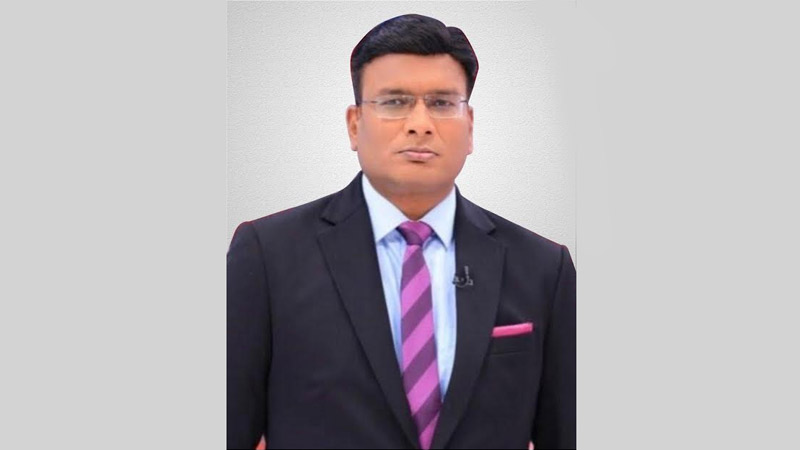
Mumbai: Homegrown short video app Changa has brought on board Kenny Shin as its global advisor. He will play an instrumental role in helping the application grow and reach its maximum potential.
Shin is an international market leader with deep expertise in the Indian consumer market. Previously, he has served the pharmaceutical company Kyungbang Nature as president. Oh-Max and Shop CJ as CEO, and has advised overseas business for CJ O shopping. He is also a co-founder of C&S Nature.
“I am thrilled to be a part of the Changa Team with a focus on building a strong community,” said Shin. “It’s an exciting time to be a part of one of the rapidly growing short format video apps in India. Changa’s enthusiasm in the industry and the will to attract the right talent to provide them a supportive platform really made me join this great team.”

Shin is an author of ‘Riding on Indian Elephant’, which has spoken about ‘Indian Economy and Business Perspectives’ on more than one occasion. He is known to have a massive interest in the Indian marketing industry. A combination of all of which would help boosts Changa’s upcoming social commerce venture.
“Having previously worked with Shin, he is one of the best international market leaders out there with vast knowledge of heading business of $ four billion sizes in commerce (television and Web, and many more industries),” said Changa CEO and co-founder Abhay Ojha. “With Changa stepping into the social commerce industry, his expertise would help us a lot to reach our goals at the global level.”
“This is a really significant addition to the team, given the fact that we are currently building products which would change the dynamics of the creator economy in the social commerce space. We are thrilled to have Kenny on board as our global advisor and mentor,” added Changa co-founder Shubham Agarwal.
Changa boasts 15 million active users and three million creating content every day, with 150 million videos as part of the content library. The creator economy at an all-time high in India, Changa is likely to keep growing to make pace with the upcoming trends, the platform said.



iWorld
JioHotstar enters micro-drama space with 100 shows under Tadka banner
Short-form push targets 300M users as content meets commerce in new format
MUMBAI: JioStar has made a bold play in India’s fast-growing micro-drama space, rolling out over 100 short-form shows under its new Tadka banner on JioHotstar, timed with the massive viewership surge of the Indian Premier League 2026.
The scale of the launch signals clear intent. Rather than testing the waters, the company has dived in headfirst, releasing a wide slate of content on day one. Each show is designed for quick consumption, with episodes running 60 to 90 seconds in a vertical format tailored for mobile-first audiences.
The move comes as India’s micro-drama market, currently valued at around $300 million, is projected to grow tenfold to over $3 billion by 2030. Globally, the format has already proven its mettle, with China’s micro-drama sector recording explosive growth in recent years.
What sets this rollout apart is its built-in monetisation strategy. The shows are free to watch and ad-supported, with brand integrations woven directly into storylines from the outset. It reflects a broader shift where content and commerce are increasingly intertwined, rather than operating in silos.
The timing is equally strategic. With more than 300 million users already tuning in for IPL action, JioHotstar is effectively turning cricket’s biggest stage into a discovery engine for its new format.
The company is not entering an empty arena. Early movers like Kuku TV, MX Player and platforms backed by Zee Entertainment Enterprises have already laid the groundwork, building audiences and validating demand for snackable storytelling.
Now, with scale, distribution and advertiser interest aligning, the big players are stepping in. For JioStar, Tadka may well serve as a proving ground for the next evolution of digital entertainment, where every minute counts and every second sells.
If the bet pays off, India’s next big content wave might just arrive in under 90 seconds.






