News Broadcasting
Chandra says nyet to DTH, says ad revenues are perking up

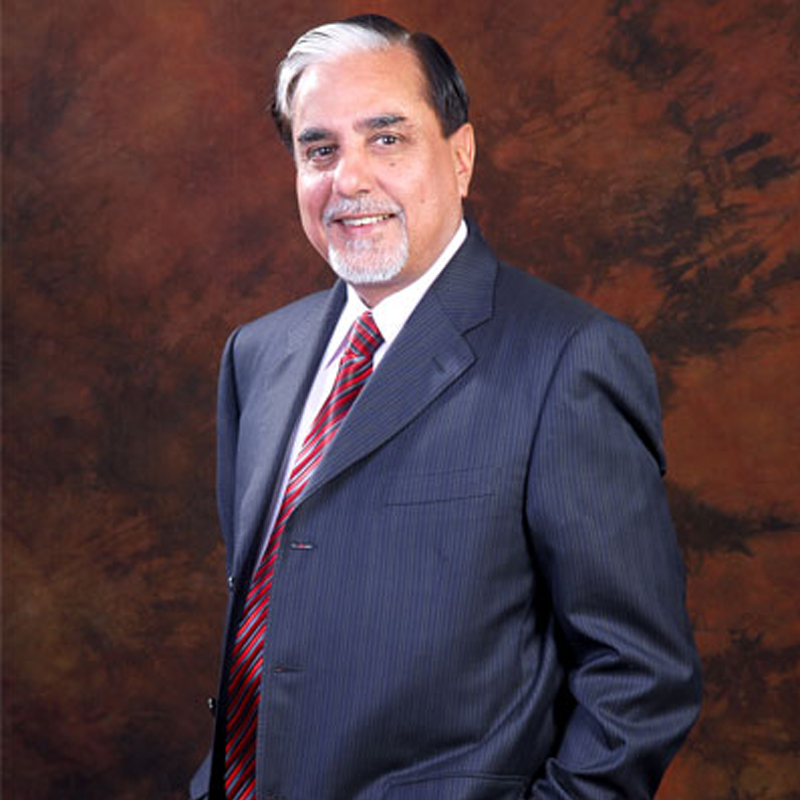
Zee Telefilms chairman Subhash Chandra today hinted that the group is not immediately interested in starting a direct-to-home (DTH) TV service.
“DTH is not as big (a technology) as has been made out in India,” Chandra told indiantelevision.com on Thursday. “The target market for DTH would be 4-5 million homes under the present economic circumstances,” Chandra said pointing out that no matter how much marketing a DTH company does the final target would be what he said.
However, it is interesting to note that Chandra’s company was the first to announce its intention to start a DTH service in India, along with Sterling group’s C. Sivasankaran, when the government had announced the policy guidelines for KU-band DTH services over 18 months back. What is also interesting is that Zee TV’s former partner Star India has been extremely buoyant about launching a DTH service and its chairman James Murdoch has been very vocal in his opposition to CAS and Indian cable operators.

Speaking on revival of the economy and its reflection on the ad spend on TV, Chandra felt that advertising revenues have “started looking up.” “With new sectors like insurance opening in India and comparatively smaller advertisers (like those selling slippers (footwear), snacks and locally-made undergarments) starting to advertise on TV, ad revenues certainly have been on the upswing in recent times,” he said.
As an example to his theory, Chandra cited the example of Zee TV’s advertising pattern during early days. “In 1992, when we started, Hindustan Lever accounted for between 40-45 per cent of the total ad revenue of the channel,” he pointed out, adding, “The financial year that we closed on March 31, 2002, HLL’s share has come down to 5-6 per cent. This does not mean that Zee’s ad revenues have come down. It only means that others too have made inroads.”
Asked what sort of appreciation in ad revenues does he forecasts for Zee Telefilms in the future, Chandra said, “During the current financial year we expect ad revenues to go up between 10-15 per cent.”
Pointing out that TV is slowly attracting ads which otherwise would have gone to other avenues, Chandra said that today TV attracts about 35 per cent of ads from the total ad pie.







News Broadcasting
BBC to cut up to 2,000 jobs in biggest overhaul in 15 years
Cost pressures and leadership change drive major workforce reduction plan
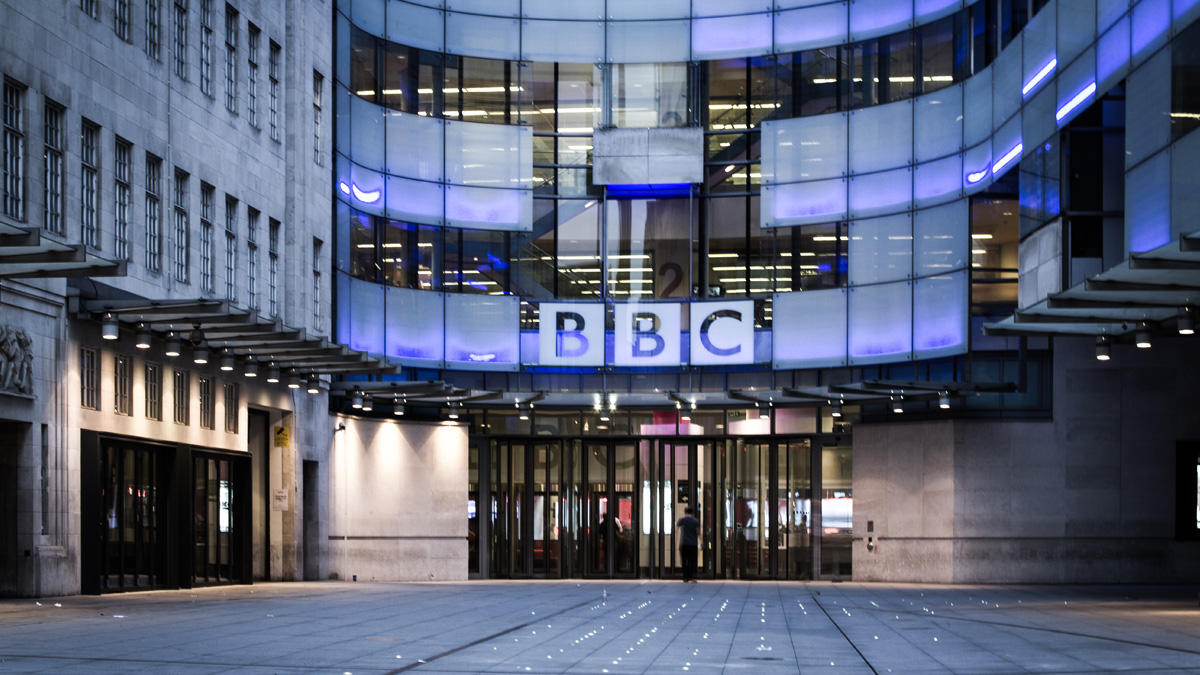
LONDON: BBC has unveiled plans to cut up to 2,000 jobs, roughly 10 per cent of its global workforce, in what marks its biggest downsizing in 15 years.
The announcement was made during an all-staff meeting led by interim director-general Rhodri Talfan Davies, as the broadcaster moves to tackle mounting financial pressures and reshape its operations.
Between 1,800 and 2,000 roles are expected to be eliminated from a workforce of around 21,500. The cuts form part of a broader plan to save £500 million over the next two years, aimed at offsetting rising costs, stagnating licence fee income and weaker commercial revenues.
In a communication to staff, BBC interim director-general Rhodri Talfan Davies said, “I know this creates real uncertainty, but we wanted to be open about the challenge,” acknowledging the impact the move would have across the organisation.
The restructuring comes at a time of leadership transition. Former director-general Tim Davie stepped down earlier this month, with Matt Brittin, a former Google executive, set to take over the role on May 18, 2026.
While some cost-cutting measures are being implemented immediately, the majority of the structural changes are expected to roll out over the next few years, with full savings targeted by the 2027–2028 financial year.
The broadcaster had earlier signalled its intent to reduce its cost base by around 10 per cent over a three-year period, warning of “difficult choices” as it adapts to shifting economic realities and audience expectations.
With operating costs hovering around £6 billion annually, the BBC’s latest move underscores the scale of the financial challenge it faces, as it balances public service commitments with the need for long-term sustainability in an increasingly competitive media landscape.