News Broadcasting
Challenge is to target all classes of people & yet make money: Manwani

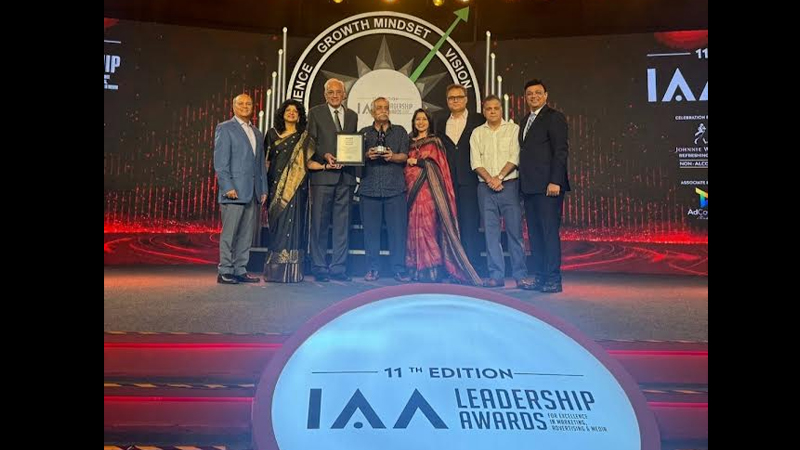
MUMBAI: The International Advertising Association’s (IAA) India chapter kicked off its ‘International Indian’ series with Unilever Asia and Africa president and Hindustan Lever Limited (HLL) chairman Harish Manwani.
Speaking from personal experience in the Asian, American and African markets while working in various capacities at Unilver; Manwani threw light on Winning in Developing and Emerging Markets.
Manwani threw statistics on how Unilver brands were the number one brands in most of the developing markets that the company had a presence in. “Our Asian and African offices, we are the market leaders in most priority categories in key countries. We have over 100 years of doing business in the region, which is serviced by a strong local management. The recipe for success is to provide continuous stream of renewed insights and brilliant local executions to serve and delight consumers, deepen partnerships with our customers and build relationships with local communities,” he said.
Explaining Unilever’s business strategy, Manwani said, “Our consumers are diverse. There are 300 million affluent consumers, 1.2 billion aspiring and 3.2 billion striving. Unilever’s international competitors work on the affluent consumers, who are on top of the pyramid, whereas our local competitors work the striving class at the bottom of the pyramid. Our strategy is to work the pyramid, which comprises the affluent, aspiring and striving people. We aim to leverage the full potential of the community and consumers in the market,” he added.

Throwing light on the company’s strategy to target the aspiring and the striving class, Manwani spoke about the affordable sachets of shampoos, detergent, oil, toothpaste, fairness cream, tea bags and margarine that Unilever came out with. “These were an instant hit the people who could never afford to buy the bottles. The biggest challenge is to create a business model to go to the bottom of the pyramid and at the same time make money,” he said.
He also went on to talk about HLL’s Project Shakti, which was aimed at empowering women in the village. “Project Shakti has generated employment while at the same time it has helped us sell and market our brands in villages. The aim for 2010 is for us to have 100,000 Shakti ammas spread across 500,000 villages in India,” Manwani said.



News Broadcasting
CNN-News18 to host Fury in the Gulf conclave on West Asia crisis
Three-hour summit to unpack geopolitical fallout and impact on India
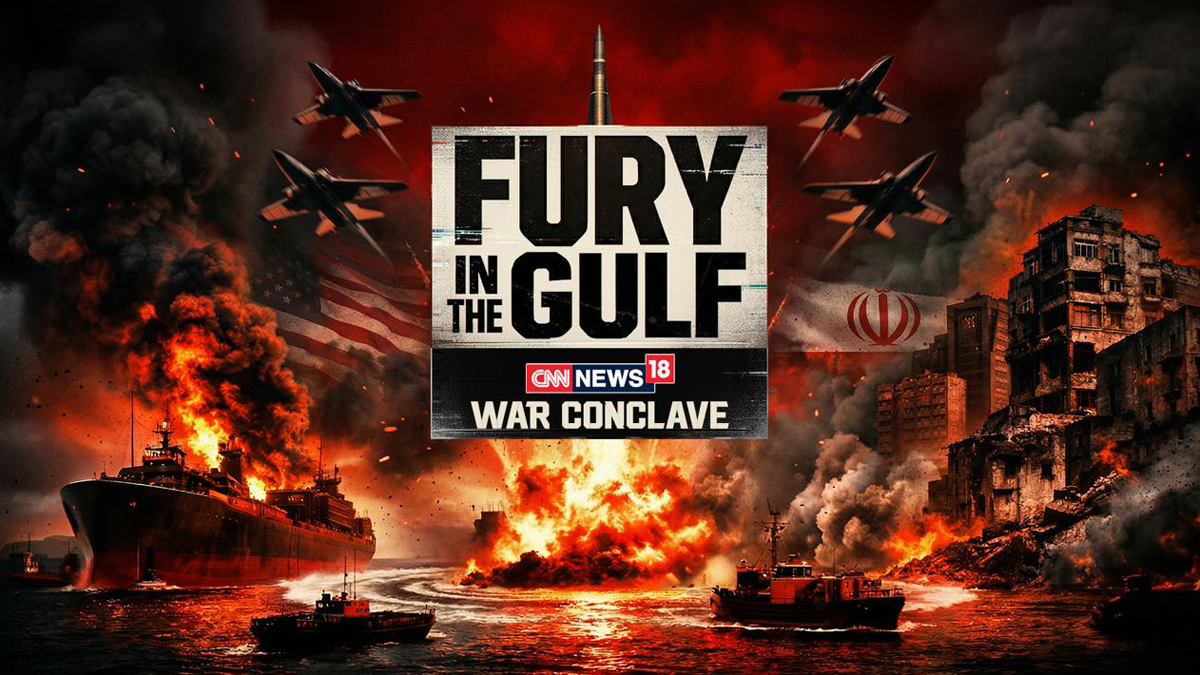
MUMBAI: CNN-News18 is set to host a special three-hour broadcast, Fury in the Gulf – War Conclave, on April 7, aiming to decode the escalating West Asia crisis and its far-reaching implications for India.
Scheduled from 4:00 PM to 7:00 PM, the conclave comes at a time when tensions between Iran and the United States are reshaping global geopolitics and triggering economic uncertainty. With India’s deep energy ties, trade links and large diaspora in the Gulf, the developments carry significant domestic relevance.
Built around the theme ‘Conflict, Consequences, and The Future,’ the programme will feature six curated sessions combining one-on-one interviews and panel discussions. The focus is to cut through the clutter and offer viewers a clearer understanding of the fast-evolving situation.
Key sessions include ‘Diplomacy in Times of War’ featuring Shashi Tharoor, and ‘World After the Iran Conflict’ with voices such as Ram Madhav, Reuven Azar, representatives from the European Union and the Iranian Deputy Envoy. Another session titled ‘Another Dunkirk?’ will bring together K. J. S. Dhillon and Jitin Prasada among others.
CNN-News18 editorial affairs director Rahul Shivshankar said, “In times of war, clarity becomes the most powerful tool. Fury in the Gulf – War Conclave brings together credible voices to address the questions and confusion that arise amid an overwhelming influx of information.”
He added that the initiative is aimed at delivering “facts, perspective, and insight” at a time when misinformation can easily cloud public understanding.
Echoing the sentiment, CNN-News18 CEO– English and business news Smriti Mehra said the conflict marks a defining global moment, with consequences that extend well beyond the region. She noted that the conclave seeks to present the crisis with “depth, nuance and responsibility” so audiences can better grasp its real-world impact.
As geopolitical tensions continue to dominate headlines, the conclave positions itself as an attempt to bring order to the noise, offering viewers a structured, insight-led look at a complex and rapidly shifting global situation.






