Hindi
CCI recommends self-regulatory measures for the Indian film industry

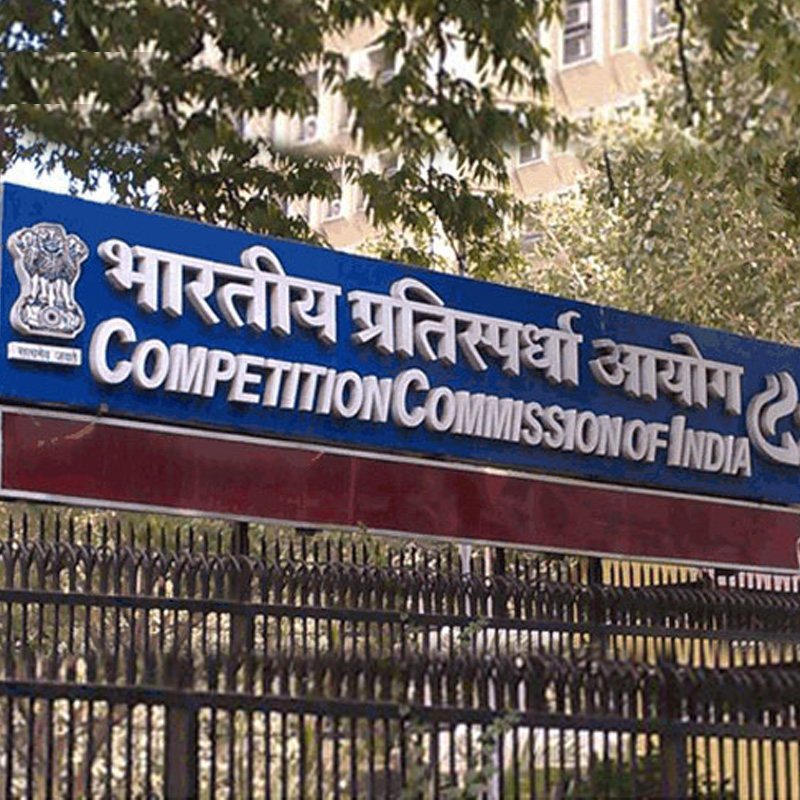
Mumbai: On Friday, the Competition Commission of India (CCI) released a report titled “Market Study on Film Distribution Chain in India: Key Findings and Observations,” which outlines a few of the most important competition-related problems identified by stakeholders in the industry.
In doing so, the study discusses the role of various associations in the chain, whether it be at the production, distribution, or exhibition level; the imbalances caused by some entities’ stronger bargaining positions; the bottlenecks that exist at different levels; the unequal distribution of risks; revenue-sharing agreements; newer technologies in cinema; tying and bundling arrangements at the exhibition level; etc.
The CCI appreciated the insights shared by various stakeholders into the various aspects of the film production, distribution and exhibition. The commission also expressed its sincere desire that, in the interests of everyone, the constituents will put an end to anti competitive behaviours, thus limiting regulatory interference.

The commission has advised the film industry to develop specific self-regulatory measures for various stakeholder categories based on the study’s results and in accordance with its advocacy role. Self-regulation techniques include:
Customised agreement for multiplexes and producers
- Customised agreements should be chosen over generic contract templates.
- Aggregate agreements may be favoured for revenue-sharing over current sliding scale agreements, which allow multiplexes and producers to split the total income made by a movie according to a previously agreed-upon percentage.
- In exchange for promotions and a split in the cost of advertising, multiplexes might be willing to give producers fair and reasonable terms.
- Multiplexes should steer clear of any trade limitations on display that would limit producers’ freedom of commerce.
Reporting of box office revenue collections
- Adoption of ticketing log and report generation, recording, and maintenance box office monitoring systems, and the information gathered by such a system should not be changeable by any stakeholder.
- Producers should choose impartial auditors to examine these monitoring systems and confirm that they are functioning as intended and are not undergoing any tampering.
Virtual Print Fee (VPF)
- VPF payments made to multiplexes can be eliminated first. Given their reliance on the leasing arrangement for digital cinema equipment, single-screen VPF can be phased out more gradually than multi-screen.
- Digital cinema equipment (DCE) providers and producers should negotiate mutually acceptable VPF prices and ensure that there are no disruptions in the display of films due to this until its sunset is decided upon and put into effect.
Stakeholders association
- Associations shall refrain from boycotts, prohibitions, and restrictions on business dealings with non-members. Associations should also refrain from any other actions that the commission has previously deemed to be anti-competitive.
- In order to resolve any disputes between stakeholders, associations must take into account how alternative conflict resolution procedures like mediation might be institutionalised.
- Associations are recommended to hold activities to inform their individual members of competition law knowledge and the ensuing necessity for compliance.
Digital cinema
- Digital service providers should allow for negotiations to lessen the imbalance of bargaining power in any agreements they make with exhibitors or producers, as the case may be. Long-term contracts with unfair clauses should also be avoided.

Hindi
Marico founder Harsh Mariwala’s book Harsh Realities set for film adaptation
Almighty Motion Picture taps Karan Vyas to script Marico story
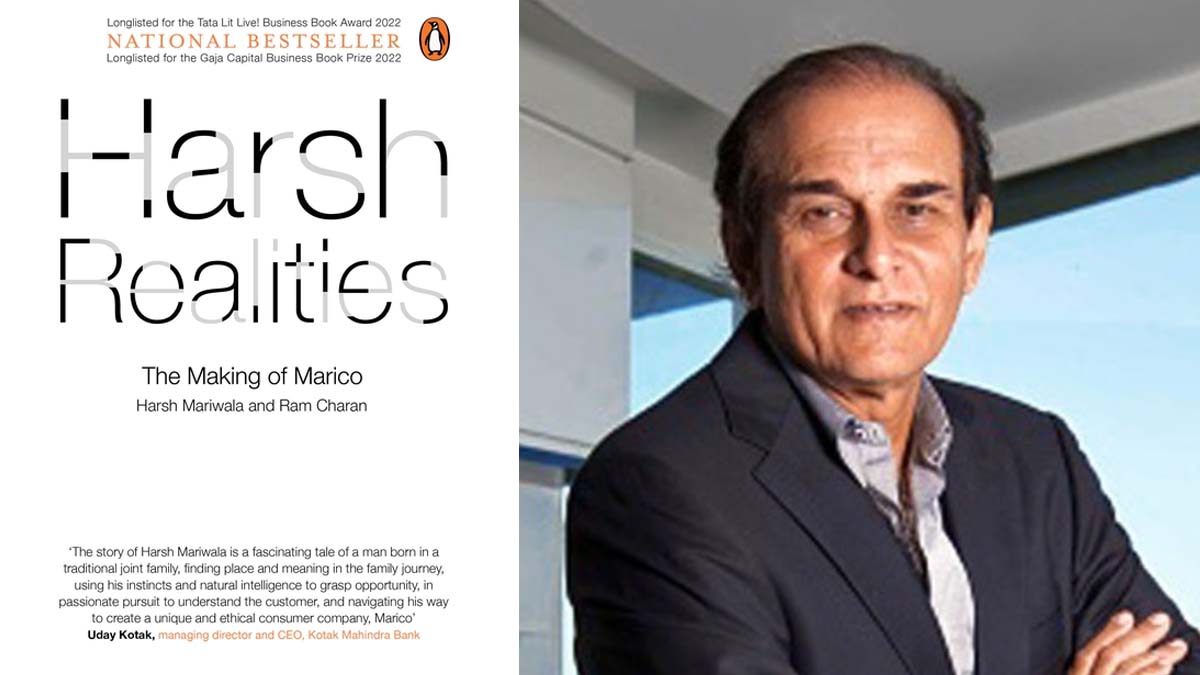
MUMBAI: Almighty Motion Picture is turning its lens on India Inc., with plans to adapt Harsh Realities: The Making of Marico into a screen project. The story charts the rise of Harsh Mariwala, the chairman and founder of Marico, and is currently in early development, according to a report by Variety.
Writer Karan Vyas, known for his work on Scam 1992, Scoop and Made in India – A Titan Story, is attached to pen the screenplay. The project continues the studio’s growing interest in real-life Indian narratives that blend business with human drama.
At the heart of the story lies a defining moment in 1987, when Mariwala chose to step away from the family-run Bombay Oil Industries and strike out on his own. What followed was not just the creation of a company, but the reinvention of a legacy. Marico would go on to become a global FMCG player, with brands like Parachute, Saffola, Set Wet and Livon becoming household names, reaching nearly one in three Indians.
The source material, co-authored by Mariwala and renowned business strategist Ram Charan, offers more than a boardroom chronicle. It captures the grit behind the growth, the risks behind the rewards and the leadership lessons forged along the way.
The adaptation aims to move beyond balance sheets and brand milestones, focusing instead on the person behind the enterprise. Expect a narrative that leans into the emotional stakes of entrepreneurship, where decisions are as personal as they are professional.
Today, Marico draws about a quarter of its revenue from international markets across Asia and Africa, reflecting its steady transformation from a domestic player into a multinational force. Yet, if the makers have their way, the screen version will remind audiences that every global success story begins with a leap of faith.
With development set to begin soon, this is one business story that may just trade spreadsheets for storytelling, and profit margins for moments that linger