News Broadcasting
Can media reporting hamper due course of law, asks Bombay HC

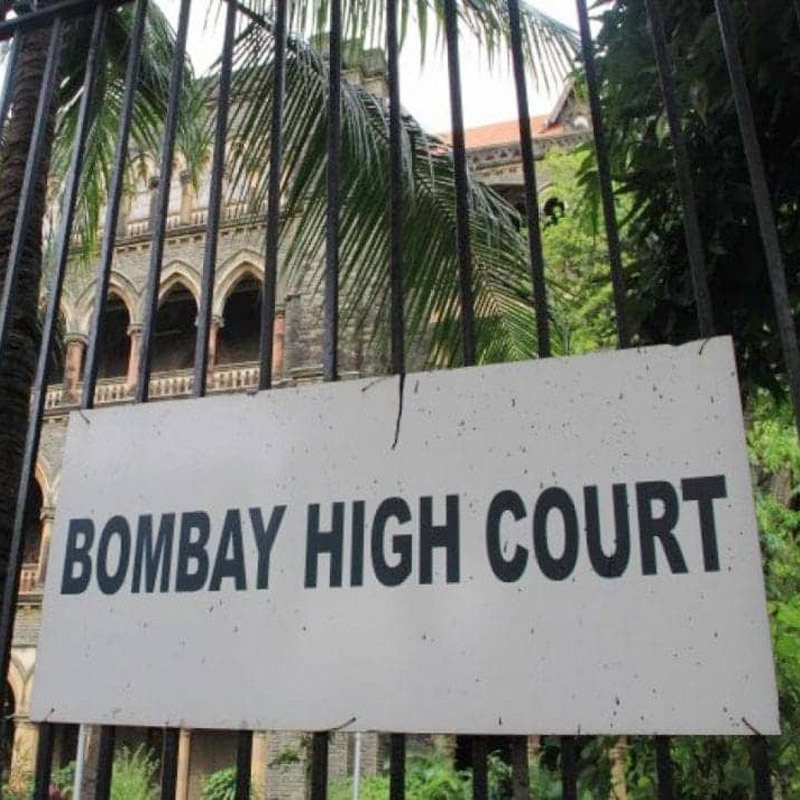
NEW DELHI: The Bombay high court has sought written submissions from all parties regarding the adverse effects of media reporting on any investigation and the court’s own jurisdiction in such cases, in the ongoing case of PIL against media trials. The case has been pushed to 6 November for further hearing.
Stating that the court wants to give guidelines with respect to interference during investigation prior to the filing of the charge sheet, the bench of chief justice Dipankar Datta and justice GS Kulkarni sought answers on the issue of if the media should report responsibly keeping in mind the facts.
Regarding the reporting on ‘accused’, the court asked if trial by media would lead to interference in deciding whether an accused goes for trial or not; accused being on guard or tampering with evidence; tarnishing of reputation in case of an innocent person, et al.

It also asked, “Can you guarantee a police officer will not be influenced by media statements like ‘this is not the right track for investigation’ and then start hounding an innocent person?"
Read our coverage on the Sushant Singh Rajput case
The court has also directed the parties to answer if the sensationalised reportage in the Sushant Singh Rajput case amounted to a media trial and whether the court can intervene in such matters.
The bench noted, “Let us not be blinded by precedents. Come to the bare facts, let us know the boundaries of our own jurisdiction.”
The court also showed concern for the safety of the witnesses and if media trial can force them to turn hostile.
The court also opined that if the media wants to aid in the investigation, it can do so under the provisions of the Code of Criminal Procedure by giving information with the police.
At its last hearing, the Bombay high court said it may have to lay down guidelines to check the rash of media trials in the country.



News Broadcasting
Kamlesh Singh receives Haldi Ghati Award from MMCF
India Today Group editor honoured for three decades of journalism at Udaipur ceremony.
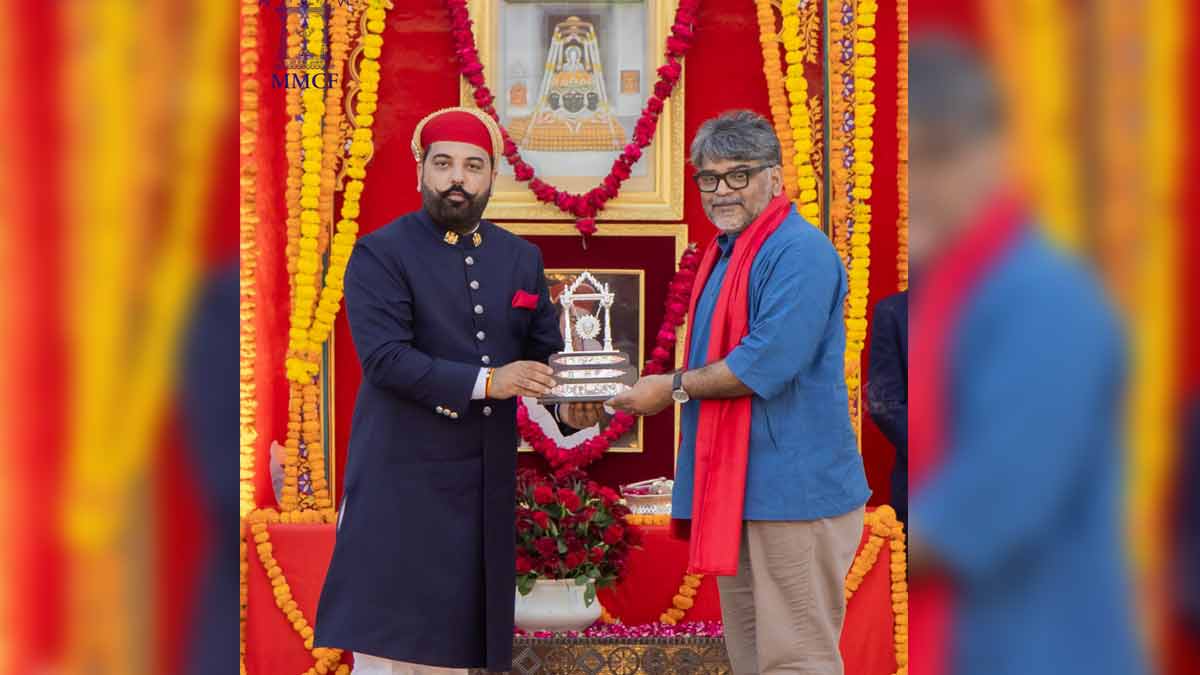
MUMBAI- Kamlesh Singh just turned a lifetime of sharp words into a shiny shield because when journalism wakes up a society, even the Maharana of Mewar wants to pin a medal on it.
The Maharana of Mewar Charitable Foundation (MMCF) conferred its prestigious Haldi Ghati Award on Kamlesh Singh, a senior editor at the India Today Group, during a ceremony in Udaipur on 15 March 2026. The national award, instituted in 1981-82, recognises “work of permanent value that initiates an awakening in society through the medium of journalism.”
Singh, who leads several editorial initiatives including Aaj Tak Radio, the Teen Taal community and The Lallantop, was presented the honour by Lakshyaraj Singh Mewar, Managing Trustee of MMCF. The citation highlighted his three decades of contributions to Indian media, innovations in digital journalism, mentoring young reporters, and his popular podcast persona “Tau” on Teen Taal, which fosters thoughtful public discourse.
The Haldi Ghati Award, named after the historic Battle of Haldighati symbolising valour and resilience, is one of four national awards given annually by MMCF. Past recipients include Tavleen Singh, Piyush Pandey and Raj Chengappa.
Other honourees this year included Padma Vibhushan Pt Hari Prasad Chaurasia, Vedamurti Devvrat Rekhe, Treeman of India Marimuthu Yoganathan, Vir Chakra Capt Rizwan Malik, and US-based researcher Molly Emma Aitken, who received the Colonel James Tod Award for contributions to understanding Mewar’s spirit and values.
In an era where headlines often shout louder than substance, the MMCF quietly reminded everyone that real journalism isn’t about noise, it’s about the quiet, persistent work that stirs society awake, one thoughtful story at a time.







