Budget
Budget sparks startup optimism in electric vehicle innovation

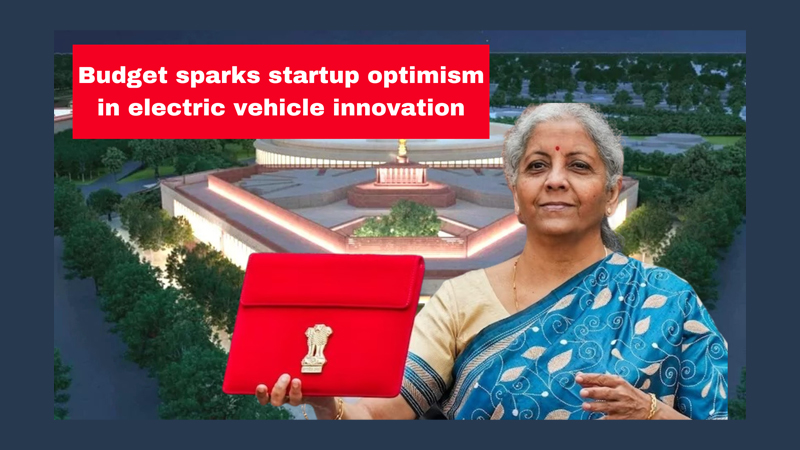
Mumbai: Amidst the dynamic landscape of India’s burgeoning startup ecosystem, the recent interim Union Budget for 2024 has sparked a wave of reactions from key players in various sectors. With a resounding focus on fortifying the electric vehicle (EV) ecosystem and supporting innovation across industries, the budget has drawn both applause and anticipation for its potential impact on the entrepreneurial landscape.
Here are the diverse perspectives and insights shared by prominent figures representing startups and ventures, each echoing a unique chord in the symphony of India’s startup narrative.
ParkMate – co-founder & CEO Dhananjaya Bharadwaj

ParkMate applauds the interim Union Budget 2024-25 for its commendable focus on fortifying the electric vehicle ecosystem, a positive development for all parking management stakeholders. The government’s pledge to allocate a One lakh crore corpus with a 50-year interest-free financing scheme for private sector R&D holds tremendous promise, capable of ushering innovative solutions across sectors. Importantly, this substantial financial commitment not only empowers ongoing research and development initiatives but also lays the foundation for transformative, long-term projects. In addition, the extension of tax benefits to startups until March 31, 2025, reflects the government’s ongoing support for entrepreneurial ventures, including those in the auto-tech space like ParkMate” said Dhananjaya Bharadwaj, co-founder and CEO of ParkMate.
e-Sprinto – co-founder & director Atul Gupta
“Certainly, particulars regarding the E-Mobility mission and encouragement of EV infrastructure were missing in the speech, however, the budget did point towards creating ambitious policies towards adoption of EVs in the public transportation sector. Furthermore, since the budget has circumscribed the requirement to strengthen manufacturing of EVs and infrastructure, we can be sure that it stands high on the government’s agenda, and we do expect supporting policies to follow soon,” said Atul Gupta- Co-founder & Director at e-Sprinto.
PickMyWork co-founder and CBO Kajal Malik
“We understand this is an Interim Budget and did not introduce much on the policy aspect for startups specifically, nevertheless, with the allocation of a Rs one lakh crore corpus for interest-free loans, the government not only acknowledges but firmly supports the pivotal role startups play in our economy’s fabric. The extension of tax benefits for another year further cements the commitment to nurturing the immediate needs of this vibrant sector. As we look ahead, we remain hopeful for policy reforms that will further invigorate angel and foreign investments, setting the stage for an unprecedented era of growth and opportunity post-elections. This budget, indeed, is a testament to the belief that startups are not just businesses, but the very backbone of our nation’s future prosperity.”
Quantum Energy managing director Chakravarthi C
“The emphasis on eco-conscious initiatives in the previous budget, with environmental sustainability among the top seven priorities, set a commendable precedent. In today’s budget, this commitment is not only sustained but elevated, reflecting a clear understanding of the urgent need to address environmental challenges. While applauding the positive aspects of the interim budget, we note certain expectations that remain unmet. The imminent expiration of the FAME II subsidy program by March 2024 sparked hopes for its extension, aligning with the government’s ambitious 2030 target of 30 per cent of electric vehicles on Indian roads. An extension would have solidified support for the EV industry. Furthermore, a substantial reduction in GST on lithium-ion battery packs and cells, from 18 per cent to 5 per cent, would have alleviated manufacturing costs, making EVs more competitively priced and boosting consumer adoption. The absence of a standardized policy for the battery-swapping market is also a missed opportunity. A unified policy would enhance safety, streamline charging infrastructure, and create a more reliable and secure environment for EV users. As we look forward to the full budget post-general elections, we hope these crucial aspects receive due consideration for the sustainable growth of the electric vehicle sector.”
Keydroid – co-founder & CEO Rajat Jaiswal
The government’s resolute commitment to bolstering India’s automotive ecosystem echoes loudly in this year’s budget. The emphasis on fortifying the electric vehicle (EV) sector through robust support for manufacturing and charging infrastructure is a positive stride. The allocation of a 1-lakh crore corpus, with 50-year interest-free financing, aims to propel private sector R&D, fostering innovation. Extending tax benefits to startups until March 31, 2025, emphasizes a supportive environment for entrepreneurial ventures. While this interim budget recognizes the transformative shift in the automotive sector, we await full budget policies post-general elections to address the evolving landscape comprehensively, ensuring sustained growth for consumers, OEMs and suppliers” said Rajat Jaiswal – Co-founder & CEO at Keydroid
InfoVision managing director Shreeranganath Kulkarni
InfoVision warmly welcomes the budget announcement by Finance Minister Nirmala Sitharaman. The introduction of a one-lakh crore fund with a 50-year interest-free benefit for private sector research and development is a transformative step, particularly for innovation-driven enterprises like ours with a strong focus on edge technologies such as Artificial Intelligence (AI) and Machine Learning (ML).
The injection of such long-term, interest-free capital promises to substantially boost our research and development initiatives that serve not only India but also the global market. It arrives at an opportune time, aligning with InfoVision’s recognition in the Zinnov Zones for Engineering R&D and Digital Services 2023, particularly for our work in Data & AI Engineering.
This financial support will undoubtedly speed up efforts to create top-tier innovations in India for the world. It underscores our commitment to leveraging India’s rich talent pool and contributes to our nation’s technological progress.
Pinnacle Industries & EKA Mobility founder & chairman Dr Sudhir Mehta
The union government has yet again reinstated its commitment to sustainably growing and strengthening the economy. Capital allocation of 11.11 lakh crore towards infrastructure development will play a pivotal role in fostering economic growth and prosperity. Additionally, investments in infrastructure create jobs, stimulate demand for goods and services, and attract private-sector investment. The government’s initiatives and focus on uplifting women’s entrepreneurship will significantly enhance the startup ecosystem, propelling the Indian economy to new heights.
The emphasis on improving manufacturing and charging infrastructure aligns perfectly with our aim for a more environmentally responsible tomorrow.
Simultaneously, the growing adoption of e-buses for public transport networks is a commendable step that not only solves environmental issues but also paves the way for significant growth in the electric vehicle market. The emphasis on EV charging infrastructure not only accelerates the transition to greener energy, but also encourages entrepreneurial possibilities for vendors, creating jobs for young people skilled in manufacture, installation, and maintenance.
Furthermore, the introduction of the rooftop solarisation scheme, the conversion of 40,000 rail coaches to Vande Bharat standards, and the ambitious goal of establishing 100 million tonnes of coal gasification and liquefaction capacity by 2030 demonstrate a comprehensive approach to sustainable development. Additional efforts, such as starting a new biomanufacturing and bio-foundry plan and legislating the gradual mixing of CNG and biogas, add to the budget’s optimistic tone for a future in which economic growth and environmental conscience coexist. And we look forward to benefiting from these positive developments. The implementation of such measures serves as a significant boost to Make in India and contributes to the realization of our vision to promote domestic manufacturing.
Alt Mobility co-founder & CFO Manas Arora
In a visionary move towards sustainable transportation, Alt Mobility applauds the Finance Minister’s commitment to bolster the e-vehicle ecosystem. By offering innovative solutions, Alt Mobility stands ready to contribute to the government’s vision, supporting the expansion of e-buses and charging infrastructure. Our commitment to lease charging infrastructure aligns seamlessly with the Finance Minister’s emphasis on fostering a robust e-mobility network. This collaboration not only accelerates the transition to green transportation but also ensures a seamless and secure payment mechanism. Alt Mobility is proud to be a driving force in the government’s journey towards a greener and more sustainable future for transportation.
Neuron Energy CEO & co-founder Pratik Kamdar
“The Interim Budget focused on key sectors and one of the promising ones is Electric Vehicles (EV). The initiatives will enhance and fortify the EV ecosystem by bolstering manufacturing and charging infrastructure. Additionally, the encouragement of greater adoption of e-buses for public transport networks through payment security mechanisms is a notable benefit. These investments not only pave the way for increased EV sales and adoption but also open doors for burgeoning job opportunities and entrepreneurial ventures within the sector. These efforts remain dedicated to driving India’s green mobility revolution forward. There is also an anticipated outcome in the form of economic empowerment which will equip the youth with valuable technical skills, ensuring a robust workforce for the manufacturing of EV chargers, and associated equipment. We look forward to the July budget where the focus will be on the Faster Adoption and Manufacturing of Hybrid and Electric Vehicles (FAME II) scheme and much-anticipated FAME III scheme.”

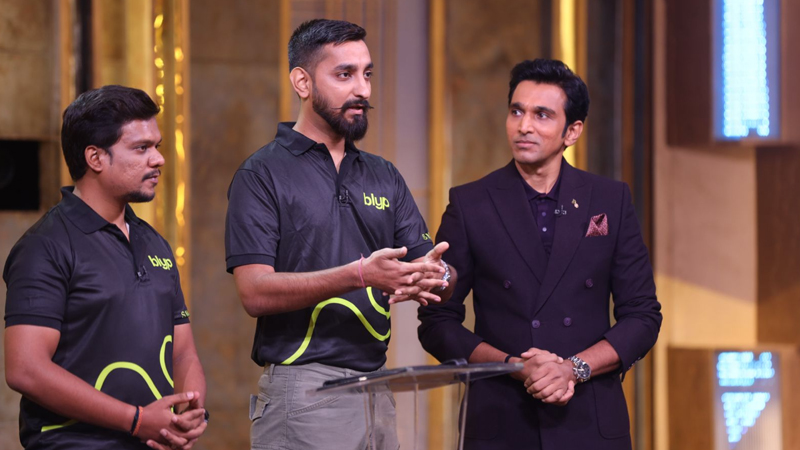

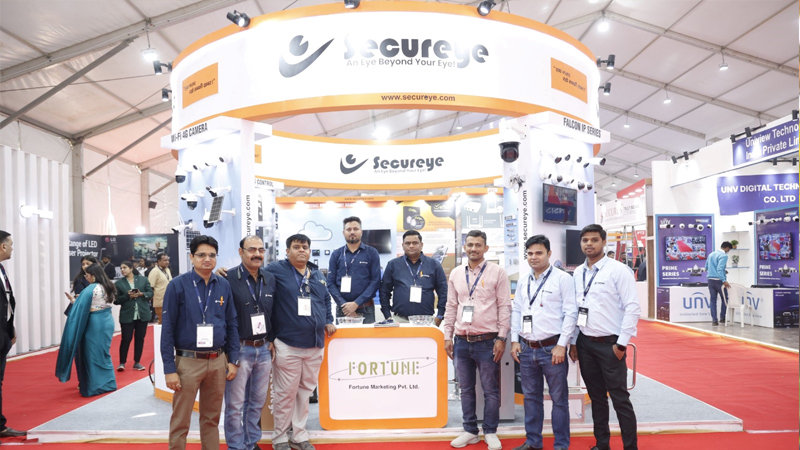
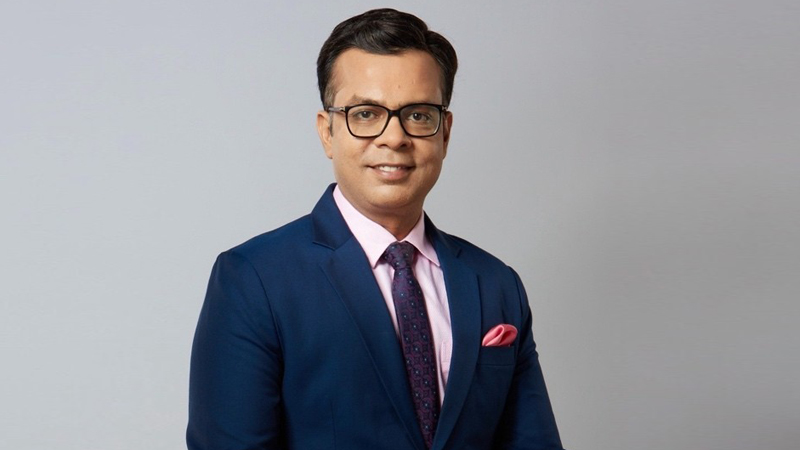
MUMBAI: Anuj Singhal, managing editor at CNBC- AWAAZ and CNBC BAJAR, operates at the sharp end of India’s business news ecosystem. With over two decades in business journalism, he has earned credibility for decoding policy, markets and macro trends for millions of Hindi-speaking investors. Equal parts newsroom leader and market analyst, he shapes editorial direction while anchoring flagship shows that break down the economy, politics and corporate India in real time.
Known for cutting through jargon and hype, Singhal blends data, discipline and clarity — a mix that has made him one of the most trusted voices in Hindi business news.
In this interaction, he discusses the Union Budget, trade deals, newsroom strategy and what truly moves markets and ratings.
• What was the single most market-moving announcement in this Budget, and why?
The most market-moving element was the clear commitment to fiscal consolidation without compromising capex. The glide path on fiscal deficit reassured bond markets and foreign investors, while sustained public investment kept growth expectations intact. That balance removed a big overhang for both equities and debt.
• Do you see this Budget as growth-oriented, fiscally cautious, or politically calibrated?
This Budget is growth-led but fiscally disciplined. It avoids overt populism, stays within macro guardrails, and prioritises medium-term competitiveness over short-term optics. Politically, it is restrained; economically, it is deliberate. The message is clear: stability over spectacle.
• How is CNBC-AWAAZ programming different, especially in decoding trade deal impact?
CNBC-AWAAZ goes beyond headline reaction. We translate policy into portfolio impact — sector by sector, stock by stock.
On trade agreements, our focus is on:
-Earnings visibility
-Export competitiveness
-Currency implications
-Margin sustainability
We don’t treat trade deals as political milestones. We decode them as profit-and-loss events for corporate India and map them to FY earnings trajectories.
• Which sectors look like clear winners and laggards over the next 12–18 months?
The next 12–18 months favour sectors aligned with structural spending and supply-side strengthening.
– Clear beneficiaries:
Capital goods and infrastructure
Manufacturing linked to export chains and PLI ecosystems
Power, defence, and logistics
– Relative laggards:
Consumption segments dependent on immediate demand revival
Businesses facing margin pressure from global volatility or pricing power erosion
This is not a momentum-driven market environment. It is execution-driven. Balance-sheet strength and order visibility will matter more than narrative.
• One headline to sum up this Budget 2026 for India Inc?
“Steady Hands, Long-Term Vision: A Budget That Rewards Discipline Over Drama”.
• What editorial filters do you apply before calling something ‘market-positive’ or ‘negative’?
We apply three structured filters:
– First: Earnings translation — does this materially change earnings visibility or cash flow outlook?
– Second: Time horizon — is the impact immediate, cyclical, or structural?
– Third: Valuation context — good news priced in or not.
If a policy doesn’t move earnings or risk perception, we don’t oversell it.
• How has business news consumption changed around big policy events?**
There has been a clear behavioural shift. They’re less interested in what was said, more in what it means for their money. There’s also a clear shift toward second-screen consumption, with digital platforms complementing live TV. The audience seeks sharper accountability. Viewers no longer accept broad optimism or pessimism — they want frameworks, numbers, and sector mapping.
• CNBC-AWAAZ decisively outperformed on Budget Day. What editorial and distribution choices mattered most?
Three deliberate strategic choices:
– Preparation depth:
We build scenarios months in advance — deficit ranges, sectoral incentives, tax calibrations — so we’re ready with analysis the moment numbers are announced.
– Language of impact:
We translate macro policy into investor-friendly Hindi without diluting complexity. That bridges accessibility and sophistication.
– Integrated distribution:
Television, YouTube, and digital platforms operate as one editorial grid, not parallel silos. This ensures continuity of narrative.We stayed analytical while others stayed reactive.
• How different is your YouTube audience from your TV audience?
The behavioural differences are subtle but important. TV audiences prioritise authority, structured debate, and context. YouTube audiences want speed, clarity, and actionable insights — often sharper, sometimes more opinionated. However, both share one expectation: accuracy. The format evolves; the trust benchmark does not.
• How do you retain viewers after the budget speech ends?
By shifting from announcements to implications.Retention comes from shifting the narrative from announcement to implication. We break down sectoral breakouts, stock-level impact, and what to do next. The speech is just the trigger; analysis is the destination.
• Is Budget Day your biggest traffic day?
It is one of the biggest — but more importantly, it is among the deepest in engagement. Viewers spend longer durations, revisit segments, and seek follow-up programming. That indicates behavioural trust, not just traffic.
• What’s the first thing you personally track on Budget Day — the speech or the markets?
The markets. They’re the fastest truth-teller. The speech explains intent; markets reveal interpretation.
• Your personal Budget-day ritual?
Early morning prep, minimal distractions, and once the speech begins, complete immersion. For me, Budget Day is less about reaction and more about reading between the lines.
• What drove your Budget-day ratings dominance, and how are Budget and trade deals shaping markets now?
Our dominance came from credibility, consistency, and clarity.
As for markets, both the Budget and recent trade deals are reinforcing a narrative of policy stability and global integration, which supports valuations even amid global volatility.
For Singhal, the market is the final judge. Policies can promise and speeches can persuade, but prices reveal what investors truly believe. As India’s investor class grows more informed and more demanding, business journalism is shifting from commentary to calibration. The premium is on clarity, context and credibility. In a landscape flooded with noise, the real edge lies in interpretation. In the end, the markets listen to numbers, not narratives , and Singhal’s craft is helping viewers tell the difference.






