Hollywood
‘Boyhood’ wins top honours at the Golden Globe Awards 2015

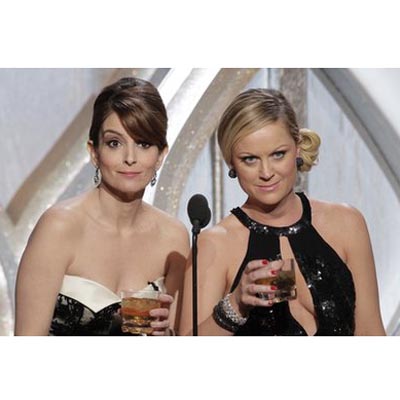
MUMBAI: Richard Linklater’s ‘Boyhood’ walked away with top awards at the 72nd annual Golden Globe Awards, including the best drama, best director and best supporting actress.
Held at the Beverly Hilton Hotel in California, the glamorous evening was hosted by Tina Fey and Amy Poehler for the third consecutive and final time. Produced by Dick Clark Productions in association with the Hollywood Foreign Press Association, Golden Globe Awards 2015 honoured the best in film and American television of 2014.

The first award of the night went to JK Simmons for best supporting actor for his performance as a domineering jazz teacher in the acclaimed indie ‘Whiplash’.
Amy Adams accepted the award for best actress in a comedy or musical for her performance in ‘Big Eyes’ while Michael Keaton, who played a former superhero star mounting a serious play on Broadway, won the best actor in a comedy or musical for ‘Birdman’.
‘Birdman’ also won the best screenplay award while The DreamWorks sequel ‘How to Train Your Dragon 2’ took best animated film.
Wes Anderson’s ‘The Grand Budapest Hotel’ won the best picture, comedy or musical while the Stephen Hawking biopic ‘The Theory of Everything’ won best score for Johann Johannsson, and the Russian entry ‘Leviathan’ took best foreign language film.
Eddie Redmayne won the Golden Globe for best actor in a motion picture, drama, for portraying Stephen Hawking in ‘The Theory of Everything’ while Julianne Moore took the best dramatic actress award for playing a professor diagnosed with early-onset Alzheimer’s in ‘Still Alice’.
The Cecil B DeMille Lifetime Achievement Award went to George Clooney.
Here is the full list of winners:
Best Motion Picture, Drama
Boyhood
Best Motion Picture, Musical or Comedy
The Grand Budapest Hotel
Best TV Series, Drama
The Affair
Best TV Series, Musical or Comedy
Transparent
Best Mini-Series or a Motion Picture Made for Television
Fargo
Best Actor in a Motion Picture, Drama
Eddie Redmayne, The Theory of Everything
Best Actress in a Motion Picture, Drama
Julianne Moore, Still Alice
Best Actor in a Motion Picture, Comedy or Musical
Michael Keaton, Birdman
Best Actress in a Motion Picture, Comedy or Musical
Amy Adams, Big Eyes
Best Actor in a TV Series, Drama
Kevin Spacey, House of Cards
Best Actress in a TV Series, Drama
Ruth Wilson, The Affair
Best Actor in a TV Series, Comedy or Musical
Jeffrey Tambor, Transparent
Best Supporting Actor in a Motion Picture
J.K. Simmons, Whiplash
Best Supporting Actress in a Motion Picture
Patricia Arquette, Boyhood
Best Actress in a TV Series, Comedy or Musical
Gina Rodriguez, Jane the Virgin
Best Actor in a Mini-Series or a Motion Picture Made for Television
Billy Bob Thortnon, Fargo
Best Actress in a Mini-Series or a Motion Picture Made for Television
Maggie Gyllenhaal, The Honorable Woman
Best Supporting Actor in a Series, Miniseries or Motion Picture for TV
Matt Bomer, The Normal Heart
Best Supporting Actress in a Series, Miniseries or Motion Picture for TV
Joanne Froggatt, Downton Abbey
Best Director, Motion Picture
Richard Linklater, Boyhood
Best Screenplay, Motion Picture
Birdman
Best Foreign-Language Feature
Leviathan (Russia)
Best Animated Feature
How to Train Your Dragon 2
Best Original Song, Motion Picture
“Glory,” Selma
Best Original Score, Motion Picture
The Theory of Everything


Hollywood
Paramount eyes $24bn Gulf support to fund Warner Bros Discovery merger: Reports
Sovereign funds line up funding as media giants chase streaming scale
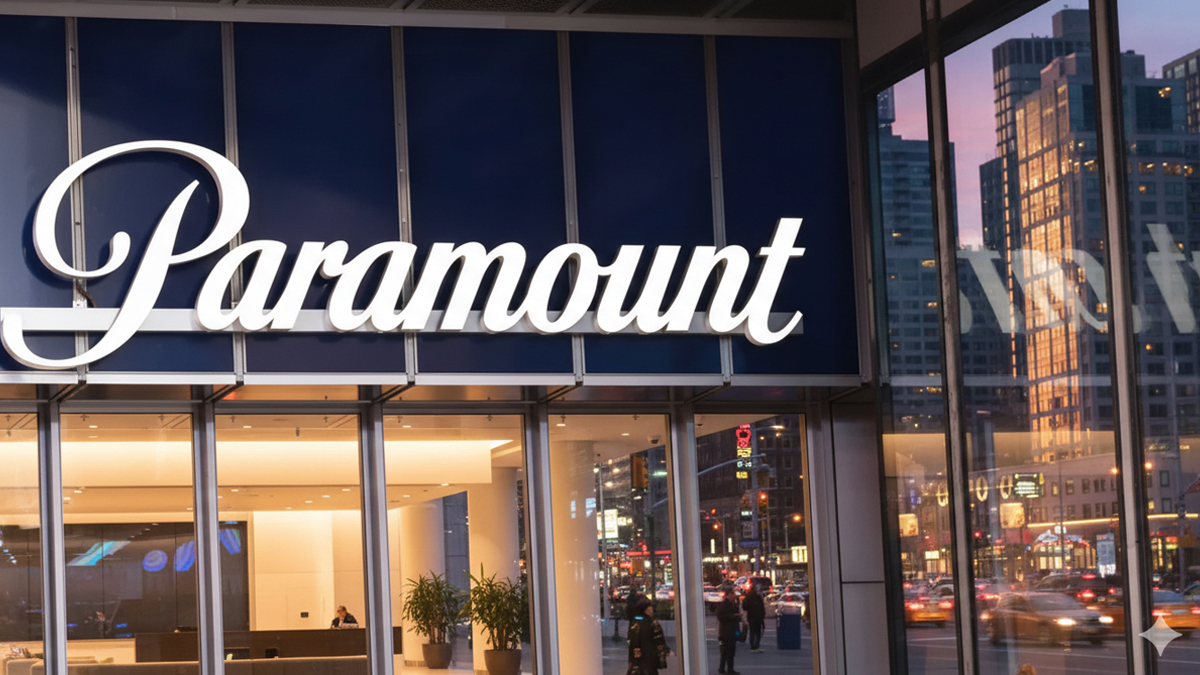
NEW YORK: Paramount Skydance is in talks to secure nearly $24 billion in equity commitments from Gulf sovereign wealth funds to support its planned takeover of Warner Bros. Discovery, according to a WSJ report.
The funding push comes as Paramount Skydance advances its proposed $110 billion deal for Warner Bros. Discovery, which carries an equity valuation of $81 billion and is expected to close in the third quarter of 2026.
At the heart of the financing plan are three major Gulf investors. Saudi Arabia’s Public Investment Fund is expected to contribute roughly $10 billion, while the Qatar Investment Authority and Abu Dhabi-based L’imad Holding are likely to make up the remainder.
Crucially, the proposed investments are structured as non-voting stakes. This means the Gulf backers would not have direct control in the combined entity, a move designed to ease regulatory concerns in the United States. Paramount executives reportedly do not expect the deal to trigger scrutiny from bodies such as the Committee on Foreign Investment in the United States or the Federal Communications Commission.
If completed, the merger would bring together a formidable portfolio of entertainment and news assets, including CNN and CBS. The combined entity aims to better compete in a fast-evolving media landscape where streaming platforms are steadily pulling audiences away from traditional television.
The deal reflects a broader shift in global media, where scale is increasingly seen as essential to survive the streaming wars. By pooling content libraries, technology and distribution, Paramount Skydance and Warner Bros. Discovery are betting on size and synergy to drive future growth.
The involvement of deep-pocketed Gulf investors also underscores the growing role of sovereign wealth in shaping global media consolidation, particularly at a time when high-value deals demand equally large financial backing.
With shareholder votes and regulatory milestones still ahead, the proposed tie-up remains one of the most closely watched media deals of the year. If it clears the final hurdles, it could redraw the competitive map of the global entertainment industry.






