iWorld
Bombay HC grants no relief to ByteDance in tax evasion case


KOLKATA: TikTok’s parent company ByteDance continues to remain in limbo as Bombay high court granted no relief in the case where the company challenged Indian authorities’ decision to freeze the its bank accounts.
According to a Reuters report, the court heard the plea on Wednesday. Despite ByteDance counsel Prakash Shah submitting that the company was bleeding and needed to withdraw funds for operational expenditures like staff salaries and rent, the court gave no relief.
Shah also added that four of the company’s bank accounts have been frozen. The next hearing in the matter is set for 6 April.

According to media reports, In mid-March, authorities ordered ByteDance India's accounts at Citibank and HSBC to be blocked because of alleged evasion of certain taxes in online advertising dealings between the ByteDance unit in India and its parent entity in Singapore, TikTok Pvt Ltd. The Chinese tech company moved to court asking to quash the directive as it fears that the move will hit Indian operations hard.
In January 2021, ByteDance decided to cut down its Indian workforce amid the uncertainty over its biggest business TikTok’s future in India. Following the political conflict between India and China, the Centre imposed a ban on a number of Chinese apps including short-video app TikTok last June.





iWorld
Crocs India ropes in Rakesh Bedi for quirky new digital campaign
Veteran actor brings humour and nostalgia to brand’s latest ‘Crocshake’ film.
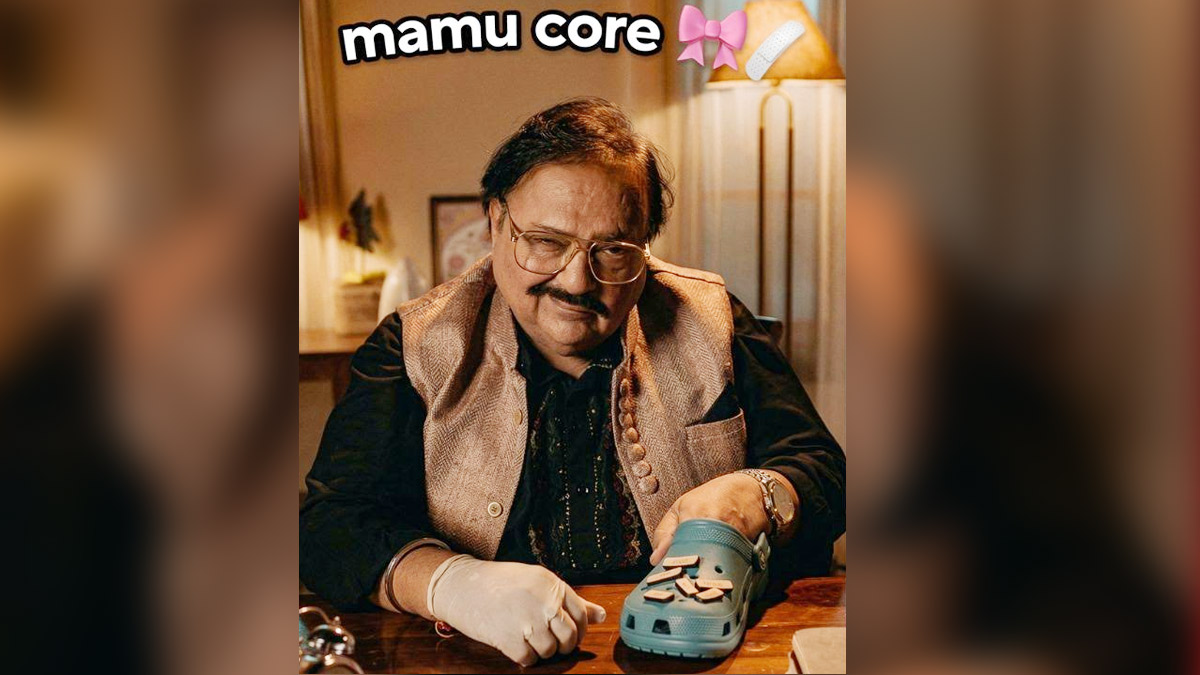
MUMBAI: Crocs has decided to shake things up quite literally by teaming up with veteran actor Rakesh Bedi for its latest digital campaign. The campaign, conceptualised by One Hand Clap, cleverly taps into the current wave of nostalgia and character-led content. It features Rakesh Bedi, who is currently enjoying renewed popularity after Dhurandhar, in a series of increasingly chaotic yet humorous everyday situations.
At the centre of the film is a simple handshake that spirals into a chain of unexpected twists, culminating in the fun “Crocshake.” The light-hearted narrative highlights how ordinary social moments can turn into memorable ones, perfectly aligning with Crocs’ brand ethos of individuality, comfort, and self-expression.
Crocs India country manager Manoj Juneja said the campaign reflects the brand’s desire to stay culturally relevant. “This collaboration with Rakesh Bedi blends humour, nostalgia, and contemporary trends to create content that entertains and sparks conversations,” he noted.
Rakesh Bedi added, “What I loved about this campaign was how naturally the humour came through. It takes a simple, everyday situation and turns it into something completely unexpected. It’s always exciting to be part of something audiences can instantly connect with.”
The campaign builds on Crocs India’s ongoing strategy of creating relatable, digital-first storytelling that resonates with a wide audience while staying true to the brand’s playful personality.
In a crowded footwear market, Crocs continues to stand out by keeping things fun, comfortable, and conversation-worthy proving once again that sometimes all you need is a good shake (or Crocshake) to make your mark.







