iWorld
Bollywood should explore superhero films with long-term licensing: Cosmos-Maya’s Anish Mehta

Mumbai: Anish JS Mehta started his career as an accounts executive in 2003, and over time, he has managed to reach new heights. In 2010, he became the chief operating officer of Cosmos-Maya, a leading animation studio in India. Two years later, Mehta was promoted as the chief executive officer (CEO) and since then, he has been a key player in the Indian animation industry catalysing the production of noted anime shows that include the iconic Motu Patlu.
Cosmos-Maya has recently launched Salman Khan’s Dabang as an animation series Dabanng-The Animated Series, which is now available for streaming on Disney+Hotstar VIP, in Tamil, Telugu, and Hindi. This animated series is also being streamed on Cartoon Network.
As the series receives rave reviews from audiences and critics, Indiantelevision.com’s Nirmal Narayanan got into a conversation with Cosmos Maya CEO Anish JS Mehta to track the journey of Cosmos Maya in creating the animated avatar of Chulbul Pandey, and the future of the animation industry in India.

Edited Excerpts
On collaborating with Salman Khan and Arbaaz Khan for Dabanng-The Animated Series
Dabangg-The Animated Series is one of the biggest film franchise extensions executed for Indian TV. We have released the show with CartoonNetwork as our TV broadcast partner and Disney+Hotstar as our streaming partner. Since the start of the pandemic, we have been working to create more original animated content titles in greater volumes to suit the increased consumption by kids staying at home. We spoke to Arbaaz Khan the owner of the franchise and created our vision of the animated series. Both the channel partners loved the concept and provided the backing to bring the show before the audience.
On the audience response to the series
It’s been a week since the series went live on TV and OTT, and we have received a great response to the characters and their new colourful world. There has been a decent amount of buzz, especially within the franchise’s existing fanbase, and it’s been liked by kids and their families alike. We have also been getting a lot of queries for the licensing & merchandising extension for Dabangg across the categories such as gaming, Apparel, Toys & Promotional licensing. We have some exciting associations lined up.
On choosing a character like Chulbul Pandey
The Dabangg series and its lead Chulbul Pandey has been a mega-franchise in India for the past 11 years and adapting the super cop to a kids’ format was a creative challenge, but it was also a fun opportunity. But, the principal challenge was to do justice to the source material. When we are adapting a pre-existing template into a new look, we need to capture the quirks and the idiosyncrasies of the characters as they were originally brought to life by their actors and filmmakers. Also, Dabangg is one of the few Indian animated shows to feature the same adult version of the lead character, unlike most series that go with a child-like avatar of their source character. Our creative team captured the likeness and the ticks of not just Chulbul but also his entire posse including Makhi, Rajjo, and Tiwariji.
On the future of animated series on OTT platforms
The industry is witnessing growth on every platform and across a plethora of genres. The genre has a consistently growing presence on domestic TV, and with the OTT boom during the past few years, animation producers have utilized the mutual coexistence model, where the content releases with a TV and OTT partner simultaneously. Pay-TV usually works on a volume and sequential storytelling system, especially in areas with lesser internet penetration, and OTT audiences get to watch and choose and binge the episodes in their time and convenience. Balancing and blending the show’s presence on both formats was a creative challenge in itself.
On creating an Indian animated superhero for global audience
We have a bevy of superheroes from the Indian film and comic book ecosystem that have immense business potential to emerge as individual franchises. However, most commercial Indian films have audiences, which is used to their regular film heroes having superhero status. Until Bollywood decides to venture into superhero flicks with a long-term licensing and merchandising plan, we should not expect any such projects out of India in the foreseeable future.
On the impact of Covid pandemic on the animation industry
We had over a year to synergize our work processes from home, and it worked out. We have released seven new shows since April 2020. The animation industry collectively did not face a severe impact, like the live-action entertainment industry. The entire team at Cosmos-Maya adapted to the status quo extremely well which helped us to accelerate the workforce like before and pace up the production to deliver content on time.




iWorld
Samay Raina confirms return of India’s Got Latent after controversy
Still Alive mixes humour and reflection as comedian revisits 2025 row
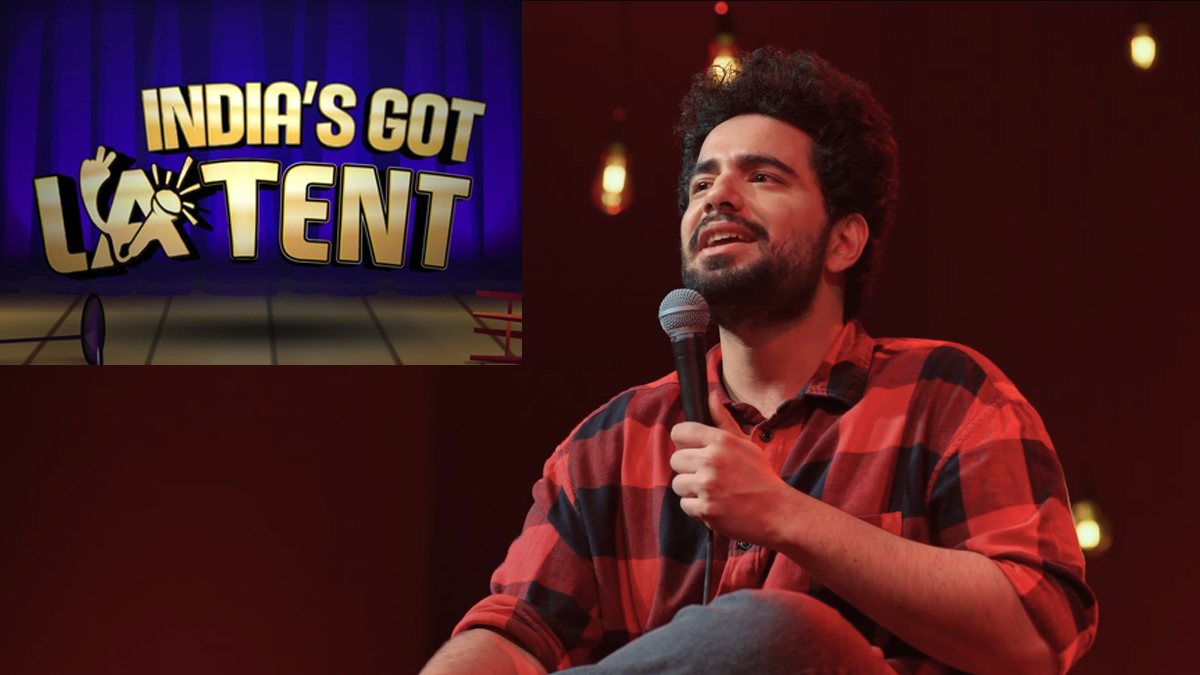
MUMBAI: Samay Raina has signalled a possible return of his controversial show India’s Got Latent, using his latest stand-up special Still Alive to address the past and hint at what lies ahead.
Released on YouTube, the special marks Raina’s most candid take yet on the backlash that forced the show off air in 2025. While much of the performance leans on humour, it also dips into more reflective territory, offering a glimpse into the emotional toll of the controversy.
Recounting the fallout, YouTube comedian samay raina said, “We were both extremely unsettled. How would we navigate this? It was terrifying. We were lost as to what was happening.” He also spoke about a moment involving fellow comedian Balraj Ghai’s family, describing it as overwhelming and difficult to process.
The personal impact of the episode came through most strongly when Raina spoke about his family. He admitted he struggled to even answer a call from his mother during the crisis. YouTube comedian samay raina said, “I hesitated to answer her call and show my tear-streaked face. How would she react? My mom is unaware of anything except how to love.”
Amid the introspection, Raina also dropped a clear hint about the future of his show. While he believes the first season ended on a high note, he confirmed that he intends to revive it. YouTube comedian samay raina said, “I will bring back the show because it used to be fun making it.”
The original run of India’s Got Latent had been pulled down following widespread criticism and legal scrutiny over controversial remarks that went viral, prompting debates around content boundaries in India’s digital entertainment space. Raina later removed episodes and issued an apology, stepping back from major releases for a period.
His return now appears more measured, blending humour with reflection and signalling a creative reset. He also hinted that the next iteration of the show could be more raw and unfiltered, though details remain under wraps.
For fans, the takeaway is simple. The show that sparked both laughter and debate may be gearing up for a second act, with Raina ready to test the limits once again, this time with a sharper sense of where the lines lie.






