Hindi
Bhaagerathi and Bharat Mazza Desh Ahe to premiere at IFFI

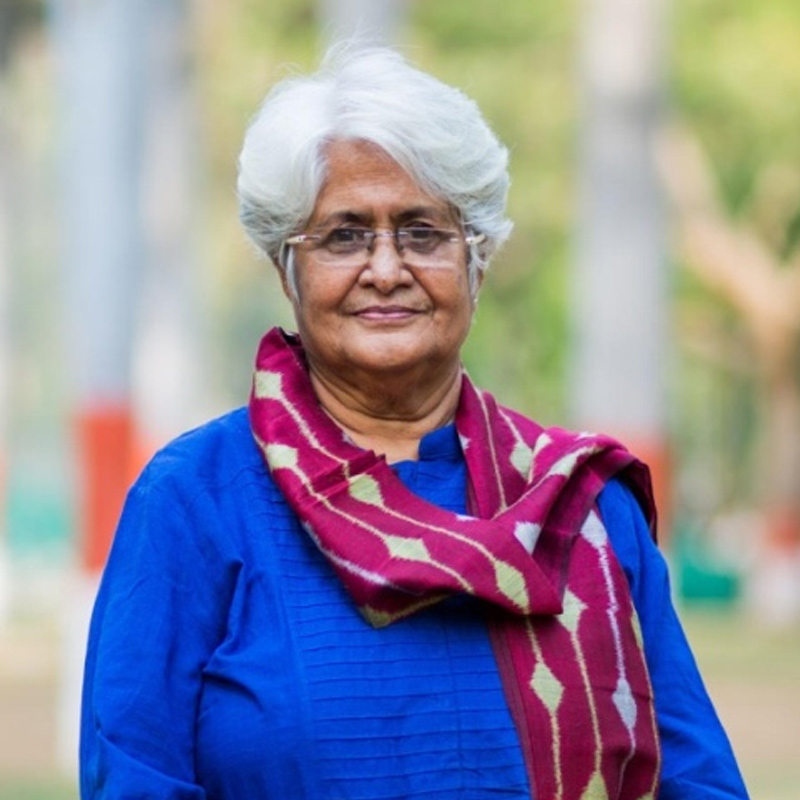
MUMBAI: Dr. Baraguru Ramchandrappa‘s Bhageerathi and Bharat Mazza Desh Aahe, directed by Sumitra Bhave and Sunil Sukthankar, will screen under the Indian Premiere section at the 42nd International Film Festival of India, Goa 2011.
Bhageerathi, featuring Srinath Bhavana, Kishor and Hema Chowudri, is based on a Kannada folk ballad Kerege Haara (A Sacrifice for a tank).
Bharat Mazza Desh Aahe (India is my Country), featuring Vikram Gokhale, Uttara Baokar, Renuka Daftardar, Jitendra Joshi, Devika Daftardar, Omkar Govardhan, Alok Rajwade, Kishor Kadam and Deepa Shriram, depicts the story of a family dealing with value problems amongst themselves and simultaneously experiencing the everyday corruption in their social life.




Hindi
YRF Entertainment appoints Saugata Mukherjee as head of content
Former SonyLIV content head to steer films and series at streaming arm

MUMBAI: YRF Entertainment, the streaming arm of Yash Raj Films, has appointed Saugata Mukherjee as head of content, signalling a strong push to scale its original films and series slate.
Mukherjee joins the company following a successful three-and-a-half-year stint at SonyLIV, where he served as executive vice president and head of content. In his new role, he will report to CEO Akshaye Widhani and lead the creative direction and commissioning strategy for YRF Entertainment’s growing slate.
The appointment comes on the back of YRF Entertainment’s recent global success with titles such as The Romantics, The Railway Men and Mandala Murders, which have helped position the studio as a serious player in the streaming space.

At SonyLIV, Mukherjee played a key role in shaping the platform’s identity as a premium content destination. Under his leadership, the service delivered acclaimed originals across genres, building a reputation for storytelling depth and creative risk-taking. His exit was described as “one of the harder goodbyes”, reflecting both the impact of his tenure and the strength of the team he leaves behind.
Mukherjee brings with him a wide-ranging career that spans publishing, television and streaming. Before SonyLIV, he led content initiatives at HBO Max under Warner Bros. Discovery, where he was instrumental in shaping the platform’s India strategy. His earlier roles include senior leadership positions at Hotstar and Star TV, where he worked on building original content pipelines and collaborating with top creative talent.
With a career that began in publishing at firms like HarperCollins and Pan Macmillan, Mukherjee’s journey reflects a deep-rooted understanding of storytelling across formats and platforms.
His move to YRF Entertainment comes at a time when the battle for streaming audiences is intensifying, with studios doubling down on high-quality originals to stand out in a crowded market.
For YRF, the appointment is more than just a leadership hire. It is a clear signal that the studio is ready to scale its streaming ambitions, with Mukherjee expected to play a central role in shaping its next chapter.






