News Broadcasting
Better minority representation sought on UK TV

LONDON: Broadcasters and audiences from minority ethnic communities in the UK are calling for authentic and realistic representation on television and radio, to ensure that they are seen as part of mainstream society and to encourage better understanding of their culture, according to new research published this week by the BBC, the Broadcasting Standards Commission (BSC), the Independent Television Commission (ITC) and the Radio Authority.
The research, undertaken between February and May 2002, examined attitudes towards multicultural broadcasting from two perspectives: that of the audience at large, including minority ethnic groups, and that of practitioners from within the television, radio and advertising industries. It found that there was agreement between both groups that, although significant progress has been made in the last five years, there still needs to be better representation of minorities both on screen and behind the scenes in decision-making roles.
Audiences said that mainstream broadcasters had a social duty to include authentic and fair representations of minorities. Channel 4, BBC1, BBC2, Choice FM and Kiss 100 FM were commended for broadcasting minority interest programmes. Programmes such as Goodness Gracious Me, Ali G and Coronation Street were considered to be moving in the right direction. However, the participants also wanted to see more representation in news and documentaries.

The audience sample felt better representation would help towards:
* creating a greater sense of belonging within British society;
* fostering understanding of the different cultures among other communities, including the white population, within the UK;
* allowing children to see themselves represented positively.
Audiences from the Indian subcontinent:
There was concern amongst the audience groups about the stereotypical portrayal of certain issues. For example, groups from the Indian sub-continent talked of the way in which arranged marriages were presented on television. They felt that the treatment of the issue was neither accurate nor did it reflect the way in which the system had changed over time. They called for fairer portrayal of such issues.
Alongside this was the view amongst all participants from minority ethnic groups that their country of origin was not represented at all or was negatively portrayed. There was also a sense that there was not enough coverage of events about their countries.
Specialist services, available on radio or via cable and satellite television, were valued by people from minority ethnic groups as they allowed them to maintain contact with their countries of origin. They were also felt to provide more balanced coverage of news from their countries.
Young white respondents said that more effort should be made to achieve fairer representation on-screen, feeling that it might be divisive to have programmes aimed at particular communities. Older white respondents, on the other hand, were less concerned with the way minority groups were represented on mainstream broadcasting, sometimes arguing that there were specialist services available to meet their needs.
A key finding in the research amongst representatives from television and radio industries was that it was difficult to define ‘multicultural broadcasting’ because it was hard to judge when it has been achieved. The best test was thought to reflect a series of attitudes and values such as:
* relevance to audiences served;
* diversity of voices and opinions being heard;
* the way in which portrayals are presented with an understanding of cultural and ethnic backgrounds.
There was a perception amongst the broadcasters that there has been an increase in the amount of representation on-air and a growth of programming which is relevant to ethnic groups.

News Broadcasting
CNN-News18 to host Fury in the Gulf conclave on West Asia crisis
Three-hour summit to unpack geopolitical fallout and impact on India
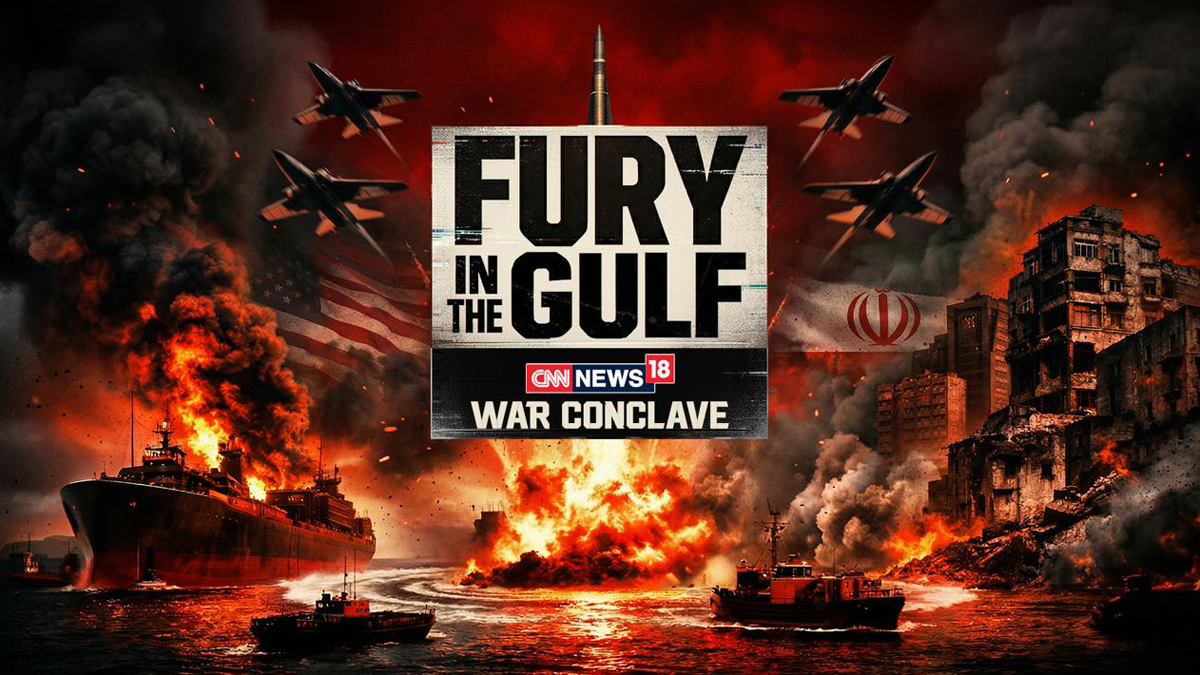
MUMBAI: CNN-News18 is set to host a special three-hour broadcast, Fury in the Gulf – War Conclave, on April 7, aiming to decode the escalating West Asia crisis and its far-reaching implications for India.
Scheduled from 4:00 PM to 7:00 PM, the conclave comes at a time when tensions between Iran and the United States are reshaping global geopolitics and triggering economic uncertainty. With India’s deep energy ties, trade links and large diaspora in the Gulf, the developments carry significant domestic relevance.
Built around the theme ‘Conflict, Consequences, and The Future,’ the programme will feature six curated sessions combining one-on-one interviews and panel discussions. The focus is to cut through the clutter and offer viewers a clearer understanding of the fast-evolving situation.
Key sessions include ‘Diplomacy in Times of War’ featuring Shashi Tharoor, and ‘World After the Iran Conflict’ with voices such as Ram Madhav, Reuven Azar, representatives from the European Union and the Iranian Deputy Envoy. Another session titled ‘Another Dunkirk?’ will bring together K. J. S. Dhillon and Jitin Prasada among others.
CNN-News18 editorial affairs director Rahul Shivshankar said, “In times of war, clarity becomes the most powerful tool. Fury in the Gulf – War Conclave brings together credible voices to address the questions and confusion that arise amid an overwhelming influx of information.”
He added that the initiative is aimed at delivering “facts, perspective, and insight” at a time when misinformation can easily cloud public understanding.
Echoing the sentiment, CNN-News18 CEO– English and business news Smriti Mehra said the conflict marks a defining global moment, with consequences that extend well beyond the region. She noted that the conclave seeks to present the crisis with “depth, nuance and responsibility” so audiences can better grasp its real-world impact.
As geopolitical tensions continue to dominate headlines, the conclave positions itself as an attempt to bring order to the noise, offering viewers a structured, insight-led look at a complex and rapidly shifting global situation.






