News Broadcasting
BBC’s podcasting activity gathering steam in the UK


MUMBAI: The BBC’s attempts at using the Internet as an alternative means of delivering content to its viewers in the UK is gathering steam. The broadcaster has announced that it will podcast up to 20 more radio shows – including sections of the Today programme and selected Radio 1 speech content – as it extends its download trial.
BBC Radio and Music Interactive controller Simon Nelson revealed that more programmes will be available to download and podcast at bbc.co.uk/radio until the end of the year. This follows the popularity of the BBC’s previous downloading trial.
Podcasting is an extension of downloading, whereby listeners can have new programmes automatically delivered to their computer as soon as they are posted on the Web. Listeners download an application (such as iPodder) that checks the Web to find the new version of tagged audio files – such as In Our Time – the listener has selected.

Nelson says, “These technologies can transform the value we deliver to audiences and make our programmes more accessible for both new and existing audiences. The BBC was the first British broadcaster to podcast when we made In Our Time available last year and this trial will enable us to further explore the editorial, technical and distribution issues involved.”
The BBC is hoping that the project will offer a more detailed picture of audiences’ appetite for downloads and their preferred content. Moreover, the time-limited trial has been set up to better inform the development of the BBC strategy for audio downloads and on-demand content, which Nelson is leading across the BBC.
The trial means the BBC will offer its first daily podcasts – the Today programme’s 8.10am interview – along with weekly titles and speech highlights from Radio 1 programmes for listeners to download and transfer to portable audio players.
The programmes confirmed so far for podcasting include In Business. Anchor Peter Day examines trends and developments in industry and the world of work. Another show From Our Own Correspondent delivers personal reflections by BBC correspondents around the world. On the show In Our Time the host Melvyn Bragg and guests explore the history of ideas.
The BBC will also include a series of radio programmes in its next trial of the Interactive Media Player (iMP). This trial will offer rights-protected, time-limited downloads of both TV and radio programmes. The imp aims to offer UK residents a TV and radio catch-up service for programmes that have been broadcast, as part of the BBC’s drive to use new technology to offer even greater public value to licence fee payers.




News Broadcasting
CNN-News18 to host Fury in the Gulf conclave on West Asia crisis
Three-hour summit to unpack geopolitical fallout and impact on India
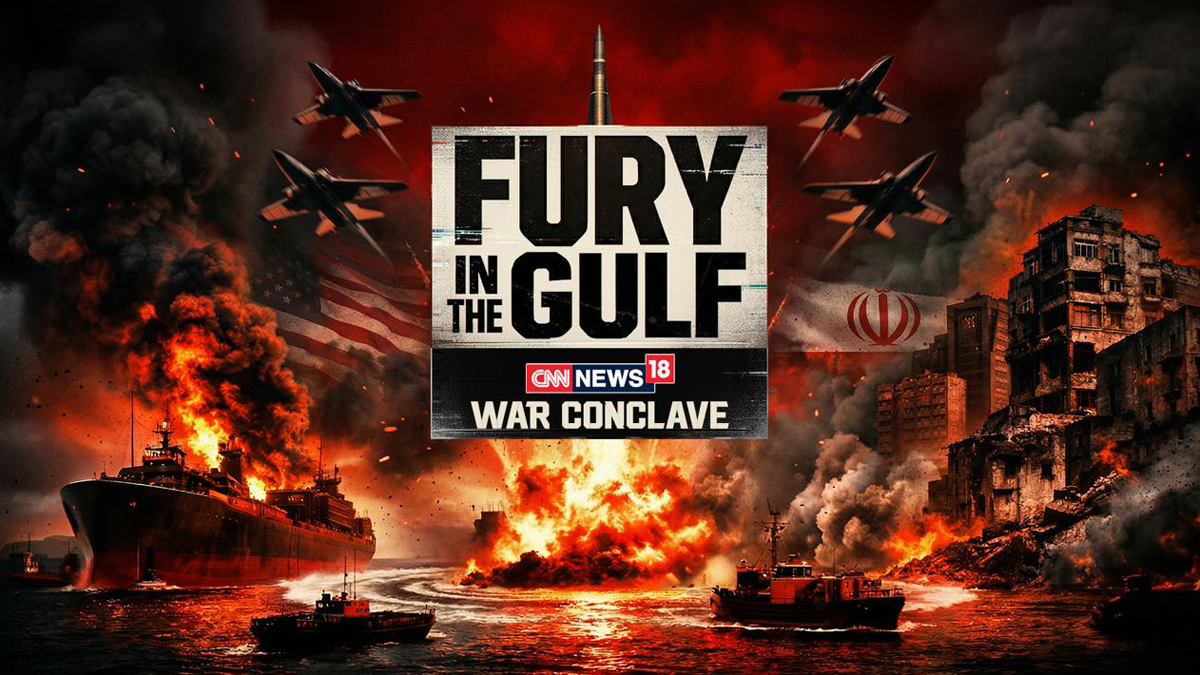
MUMBAI: CNN-News18 is set to host a special three-hour broadcast, Fury in the Gulf – War Conclave, on April 7, aiming to decode the escalating West Asia crisis and its far-reaching implications for India.
Scheduled from 4:00 PM to 7:00 PM, the conclave comes at a time when tensions between Iran and the United States are reshaping global geopolitics and triggering economic uncertainty. With India’s deep energy ties, trade links and large diaspora in the Gulf, the developments carry significant domestic relevance.
Built around the theme ‘Conflict, Consequences, and The Future,’ the programme will feature six curated sessions combining one-on-one interviews and panel discussions. The focus is to cut through the clutter and offer viewers a clearer understanding of the fast-evolving situation.
Key sessions include ‘Diplomacy in Times of War’ featuring Shashi Tharoor, and ‘World After the Iran Conflict’ with voices such as Ram Madhav, Reuven Azar, representatives from the European Union and the Iranian Deputy Envoy. Another session titled ‘Another Dunkirk?’ will bring together K. J. S. Dhillon and Jitin Prasada among others.
CNN-News18 editorial affairs director Rahul Shivshankar said, “In times of war, clarity becomes the most powerful tool. Fury in the Gulf – War Conclave brings together credible voices to address the questions and confusion that arise amid an overwhelming influx of information.”
He added that the initiative is aimed at delivering “facts, perspective, and insight” at a time when misinformation can easily cloud public understanding.
Echoing the sentiment, CNN-News18 CEO– English and business news Smriti Mehra said the conflict marks a defining global moment, with consequences that extend well beyond the region. She noted that the conclave seeks to present the crisis with “depth, nuance and responsibility” so audiences can better grasp its real-world impact.
As geopolitical tensions continue to dominate headlines, the conclave positions itself as an attempt to bring order to the noise, offering viewers a structured, insight-led look at a complex and rapidly shifting global situation.






