News Broadcasting
BBC’s Dyke takes a dig at US coverage of Iraq


MUMBAI: “If Iraq proved anything, it was that the BBC cannot afford to mix patriotism and journalism. This is happening in the United States and if it continues will undermine the credibility of the US electronic news media.” This was the crux of director general BBC Greg Dyke’s speech which he delivered at a journalism symposium at the Goldsmiths College, University of London
As reported earlier by indiantelevision.com, the BBC has made major gains through its coverage of the conflict. It was also reported that Americans were increasingly turning to BBC America for news.
He also reflected on the importance of allowing the viewer to see the whole picture saying, ” We must never allow political influences to colour our reporting or cloud our judgement. Commercial pressures may tempt others to follow the Fox News formula of gung-ho patriotism but for the BBC this would be a terrible mistake.”

Elaborating on the differences between the way the US broadcasters cover the news and the BBC, Dyke gave the example of a BBC interview with the American Defence Secretary Donald Rumsfeld, by David Dimbleby. He said, “When excerpts were played in the States, many commentators agreed that American interviewers wouldn’t have taken such a robust approach. The aim certainly wasn’t to win some intellectual battle of wills or to trip Mr Rumsfeld up. It was all about testing his arguments and not letting him gloss over difficult issues.
On American television today, politicians don’t face that sort of interrogation. For the health of our democracy, it’s vital we don’t follow the path of many American networks and lose the will to do this.”
Recalling that at times of conflict and crisis the BBC’s coverage always comes under intense scrutiny from all sides, Dyke said: “Only by constantly resisting any pressures which threaten our values will we be able to maintain the trust of our audiences. That’s why we must temper the drama and competition of live, rolling news with the considered journalism and analysis people need to make sense of events.”
Outlining the challenges raised by the recent conflict such as more 24-hour news, the risks faced by embedded reporters and un-attributed, unreliable information on the internet, Dyke said: “These are serious challenges for any news organisation aiming to increase the quality as well as the quantity if its coverage. For the BBC, as the UK’s most trusted source of news and current affairs, we have a particular responsibility to take account of them. While seizing every opportunity to improve the range and choice of our output, we cannot afford to compromise on its honesty and integrity.”




News Broadcasting
CNN-News18 rolls out Battle for the States ahead of key polls
Multi-format election coverage tracks voter mood across five battleground states
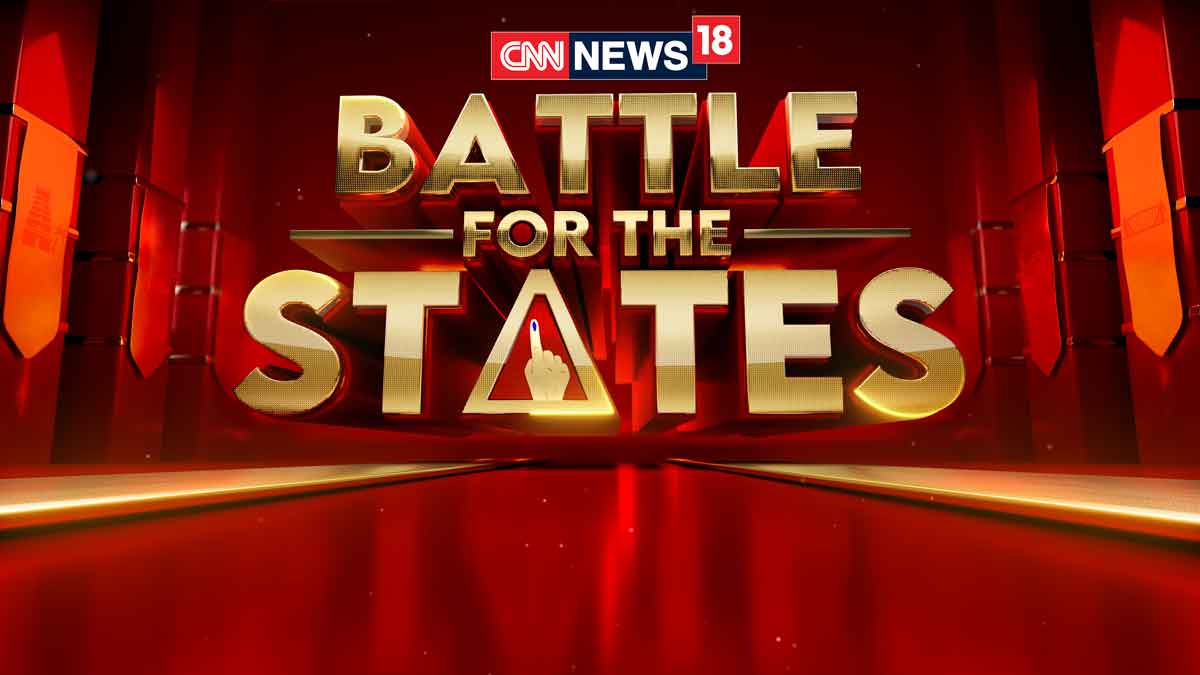
NEW DELHI: CNN-News18 has launched a special election programming initiative titled Battle for the States, as India gears up for high-stakes Assembly elections across West Bengal, Tamil Nadu, Kerala, Assam and Puducherry.
Built around the theme ‘Road to Power’, the multi-format coverage aims to follow the entire electoral journey, from campaigning and polling to results and government formation. The network is leaning into on-ground reportage and data-backed storytelling to decode voter sentiment across regions where local issues often shape the narrative.
The programming line-up includes ‘Vote Tracker’, a three-part series developed in collaboration with survey agency Vote Vibe. The show blends survey insights with expert commentary and field reporting, using augmented reality graphics to present complex electoral data such as vote share, seat projections and leadership preferences in a more accessible format. It will air every Monday evening until April 6.
Adding a cultural lens to political reporting is ‘So Saree!’, a ground-driven segment where women anchors travel across constituencies dressed in traditional handwoven sarees from each state. The format uses attire as a storytelling device, highlighting regional identity while capturing grassroots voices.
Meanwhile, ‘Unfiltered Kaapi’ and ‘Chai-Niti’ bring a more conversational tone, drawing inspiration from everyday political discussions in tea stalls and coffee corners. These segments aim to break down key issues through candid, fast-paced exchanges between anchors and reporters, tailored to regional sensibilities.
For viewers seeking deeper insights, the weekend docuseries ‘Reporters Project’ takes a longer view, with correspondents travelling across constituencies to map voter concerns and political shifts on the ground.
“Elections are about people, their aspirations, identities and the issues that matter to them, and every state tells a different story,” said CNN-News18 editorial affairs director Rahul Shivshankar. He added that the initiative focuses on understanding “the sentiment on the ground and what’s driving voter choices”.
Echoing the emphasis on credibility, Network18 CEO – English and business news Smriti Mehra said the network aims to combine on-ground reporting with data-led insights to deliver clear and timely coverage as the elections unfold.
With a mix of data, culture and grassroots reporting, CNN-News18 is positioning Battle for the States as a comprehensive window into one of India’s most closely watched electoral cycles, where every vote carries a story waiting to be told.









