News Broadcasting
BBC World Service closes down Tashkent office due to journalist safety concerns

MUMBAI: BBC World Service has announced that its office in Tashkent is being suspended and all local staff withdrawn with immediate effect. The office will remain closed for at least six months pending a decision on its long-term future.
BBC World Service Regional Head, Behrouz Afagh says, “We are doing this because of concerns over security. Over the past four months, since the unrest in Andijan, BBC staff in Uzbekistan have been subjected to a campaign of harassment and intimidation which has made it very difficult for them to report on events in the country.”
In June, BBC World Service correspondent Monica Whitlock was forced to leave Tashkent under Government pressure. A further six BBC staff members in Uzbekistan have subsequently left the country after threats and harassment from the authorities. Two of them have now been granted refugee status by the United Nations.

The decision affects the newsgathering operations of the BBC’s Uzbek, Russian, Kyrgyz and Kazakh Services. “BBC World Service remains committed to covering events in Uzbekistan, and its English language correspondents will continue to seek access to the country and to report on events there as and when they are granted visas.
“The BBC has been based in Uzbekistan for ten years. We were the first and remain the only major international broadcaster to operate there. This reflects our deep commitment to Uzbekistan and our desire to report freely and fairly on all aspects of life in this important Central Asian country. We are confident that our reporters in Uzbekistan are operating to the highest standards of impartial and balanced journalism” added Afagh.
The BBC says that it has had no response to a letter sent from BBC Deputy DG Mark Byford to Uzbek President Karimov. The Uzbek ambassador in London, Tukhtapulat Riskiev, has declined an invitation to discuss the issue with the World Service. He said he was unaware that the BBC was experiencing any problems in Uzbekistan.
Afagh added, “We would welcome firm guarantees from the Uzbek authorities that all BBC staff will be allowed to continue to work without further Government condemnation and interference before we will consider reopening the bureau.”



News Broadcasting
Kamlesh Singh receives Haldi Ghati Award from MMCF
India Today Group editor honoured for three decades of journalism at Udaipur ceremony.
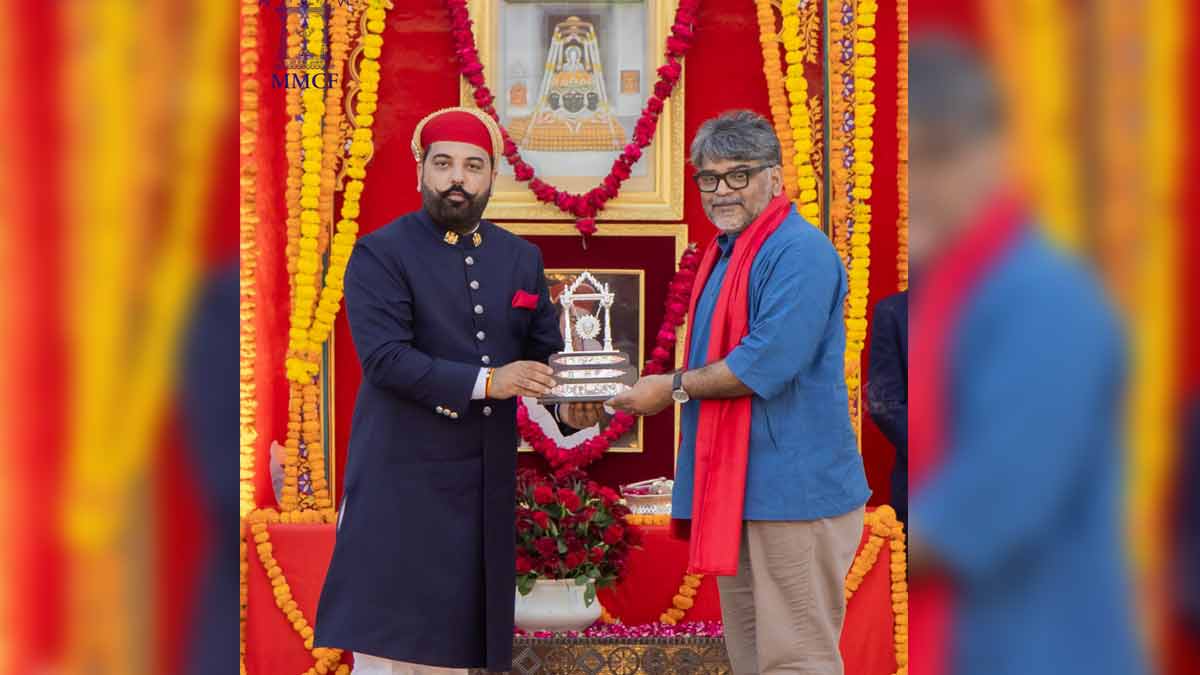
MUMBAI- Kamlesh Singh just turned a lifetime of sharp words into a shiny shield because when journalism wakes up a society, even the Maharana of Mewar wants to pin a medal on it.
The Maharana of Mewar Charitable Foundation (MMCF) conferred its prestigious Haldi Ghati Award on Kamlesh Singh, a senior editor at the India Today Group, during a ceremony in Udaipur on 15 March 2026. The national award, instituted in 1981-82, recognises “work of permanent value that initiates an awakening in society through the medium of journalism.”
Singh, who leads several editorial initiatives including Aaj Tak Radio, the Teen Taal community and The Lallantop, was presented the honour by Lakshyaraj Singh Mewar, Managing Trustee of MMCF. The citation highlighted his three decades of contributions to Indian media, innovations in digital journalism, mentoring young reporters, and his popular podcast persona “Tau” on Teen Taal, which fosters thoughtful public discourse.
The Haldi Ghati Award, named after the historic Battle of Haldighati symbolising valour and resilience, is one of four national awards given annually by MMCF. Past recipients include Tavleen Singh, Piyush Pandey and Raj Chengappa.
Other honourees this year included Padma Vibhushan Pt Hari Prasad Chaurasia, Vedamurti Devvrat Rekhe, Treeman of India Marimuthu Yoganathan, Vir Chakra Capt Rizwan Malik, and US-based researcher Molly Emma Aitken, who received the Colonel James Tod Award for contributions to understanding Mewar’s spirit and values.
In an era where headlines often shout louder than substance, the MMCF quietly reminded everyone that real journalism isn’t about noise, it’s about the quiet, persistent work that stirs society awake, one thoughtful story at a time.







