News Broadcasting
BBC World lines up special shows on Golf legends

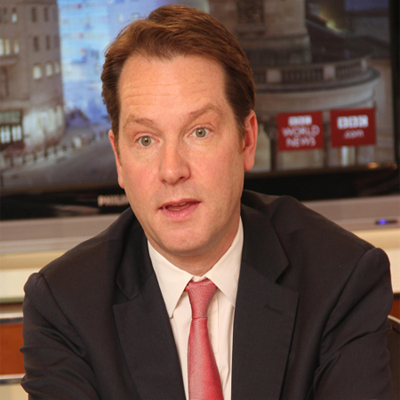
MUMBAI: Starting 20 August for six weeks, BBC World will telecast a seires of golf tournaments. The series will also cover the careers of some leading players of the game.
Golf By Design, the first programme in the series, is a revealing portrait of Robert Trent Jones II, who is among the pre-eminent golf course architects in the history of the sport, having lent his unique talents to 200 courses in 40 countries across six continents. The programme captures him at work in his office in California, playing his celebrated courses, and even indulging in poetry.
The second programme scheduled for 27 August, gives a stunning on-course action and behind the scenes footage of The Evian Masters, the ladies golf tournament, showcasing world-class sport in a beautiful setting by Lake Geneva. Catch the likes of Annika Sorenstam, Michelle Wie, and Grace Park in action.

A Dominant Force on 4 December provides a unique insight into the mind and career of Annika Sorenstam including a revealing interview about her career – from her start in the game when she often preferred to finish second because she was too shy to give a victory speech, to her status now as the undisputed greatest female player in the world.
Driven on 11 September charts Trevor Immelman’s meteoric rise from childhood in South Africa to his current standing as one of the game’s top young players. The series also presents a candid profile of Grace Park: Model Golfer on 18 September , providing an engaging insight into a woman who has brought a real sense of style to the Golf Course.
On 25th September, the programme ends with a profile of Adam Scott: The Player, one of the game’s most talented and charismatic young golfers, who, for many seasoned observers, epitomises the modern face of Golf. The programme follows Adam’s career from the beaches of Queensland to the fairways of the US PGA Tour.




News Broadcasting
CNN-News18 to host Fury in the Gulf conclave on West Asia crisis
Three-hour summit to unpack geopolitical fallout and impact on India
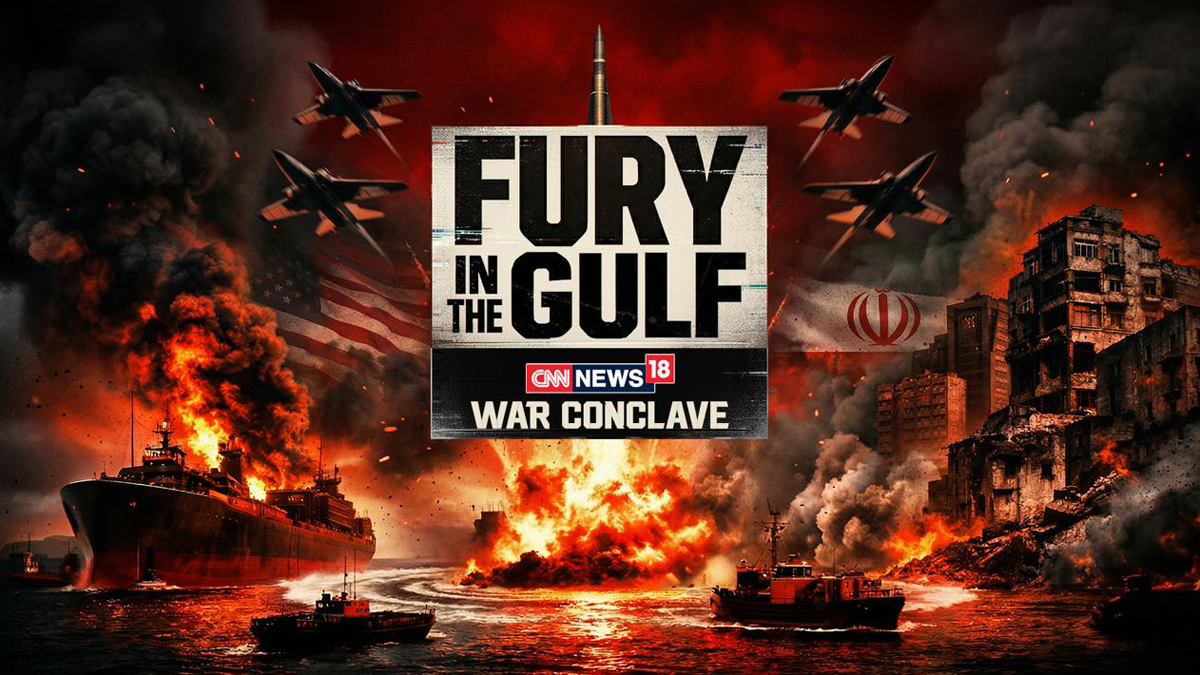
MUMBAI: CNN-News18 is set to host a special three-hour broadcast, Fury in the Gulf – War Conclave, on April 7, aiming to decode the escalating West Asia crisis and its far-reaching implications for India.
Scheduled from 4:00 PM to 7:00 PM, the conclave comes at a time when tensions between Iran and the United States are reshaping global geopolitics and triggering economic uncertainty. With India’s deep energy ties, trade links and large diaspora in the Gulf, the developments carry significant domestic relevance.
Built around the theme ‘Conflict, Consequences, and The Future,’ the programme will feature six curated sessions combining one-on-one interviews and panel discussions. The focus is to cut through the clutter and offer viewers a clearer understanding of the fast-evolving situation.
Key sessions include ‘Diplomacy in Times of War’ featuring Shashi Tharoor, and ‘World After the Iran Conflict’ with voices such as Ram Madhav, Reuven Azar, representatives from the European Union and the Iranian Deputy Envoy. Another session titled ‘Another Dunkirk?’ will bring together K. J. S. Dhillon and Jitin Prasada among others.
CNN-News18 editorial affairs director Rahul Shivshankar said, “In times of war, clarity becomes the most powerful tool. Fury in the Gulf – War Conclave brings together credible voices to address the questions and confusion that arise amid an overwhelming influx of information.”
He added that the initiative is aimed at delivering “facts, perspective, and insight” at a time when misinformation can easily cloud public understanding.
Echoing the sentiment, CNN-News18 CEO– English and business news Smriti Mehra said the conflict marks a defining global moment, with consequences that extend well beyond the region. She noted that the conclave seeks to present the crisis with “depth, nuance and responsibility” so audiences can better grasp its real-world impact.
As geopolitical tensions continue to dominate headlines, the conclave positions itself as an attempt to bring order to the noise, offering viewers a structured, insight-led look at a complex and rapidly shifting global situation.






