News Broadcasting
BBC wins licence to show 27 digital channels


UK broadcaster BBC is now firmly in charge of making sure that the conversion from analogue to digital television in Britain proceeds smoothly. It has been awarded the three licences which were left vacant after the collapse of ITV Digital.
Tenders were invited for the licences in March after ITV Digital was forced into administration due to losses which exceeded 1 billion.
As per the 12-year deal announced by the Independent Television Commission the consortium which is led by the BBC and BSkyB can start its new digital terrestrial service later in the year.

Viewers will now get a bonanza of 27 digital free-to-view channels. In addition they will also enjoy radio and interactive services, through an existing aerial. The only cost incurred is that of a set top box for around 100.
Reports indicate that the decision to give the licences to the BBC rather than a rival bid from ITV and Channel 4 gives a fresh start to digital terrestrial television.
The Governments aim to switch off the traditional analogue signal by 2010 can only materialise if 95 per cent of homes have access to digital.
Right now less than half the number have digital. Menawhile commercial broadcasters in Britain criticised the alliance between the BBC and BSkyB as being nothing more than “digital land-grab”.
Under the BBC consortium, called Free To View, viewers will receive the five current analogue channels – BBC1, BBC2, ITV, Channel 4 and Channel 5 – plus several digital services including CNN, ITV2, BBC4, and the children’s channels CBeebies and CBBC.
They will also get three Sky channels: Sky News, Sky Sports News and Sky Travel.
The corporation said it will spend 3.5 billion of licence fee payers’ money on the new service over the next 12 years, including more than 5 million a year on marketing.




News Broadcasting
CNN-News18 to host Fury in the Gulf conclave on West Asia crisis
Three-hour summit to unpack geopolitical fallout and impact on India
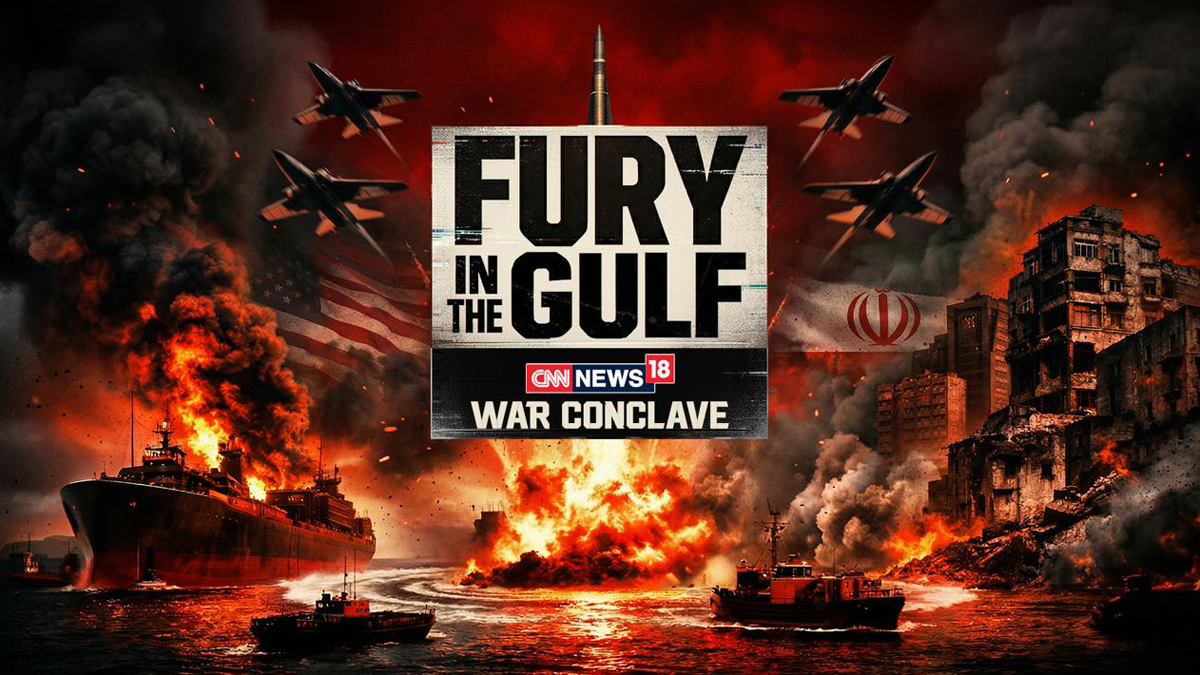
MUMBAI: CNN-News18 is set to host a special three-hour broadcast, Fury in the Gulf – War Conclave, on April 7, aiming to decode the escalating West Asia crisis and its far-reaching implications for India.
Scheduled from 4:00 PM to 7:00 PM, the conclave comes at a time when tensions between Iran and the United States are reshaping global geopolitics and triggering economic uncertainty. With India’s deep energy ties, trade links and large diaspora in the Gulf, the developments carry significant domestic relevance.
Built around the theme ‘Conflict, Consequences, and The Future,’ the programme will feature six curated sessions combining one-on-one interviews and panel discussions. The focus is to cut through the clutter and offer viewers a clearer understanding of the fast-evolving situation.
Key sessions include ‘Diplomacy in Times of War’ featuring Shashi Tharoor, and ‘World After the Iran Conflict’ with voices such as Ram Madhav, Reuven Azar, representatives from the European Union and the Iranian Deputy Envoy. Another session titled ‘Another Dunkirk?’ will bring together K. J. S. Dhillon and Jitin Prasada among others.
CNN-News18 editorial affairs director Rahul Shivshankar said, “In times of war, clarity becomes the most powerful tool. Fury in the Gulf – War Conclave brings together credible voices to address the questions and confusion that arise amid an overwhelming influx of information.”
He added that the initiative is aimed at delivering “facts, perspective, and insight” at a time when misinformation can easily cloud public understanding.
Echoing the sentiment, CNN-News18 CEO– English and business news Smriti Mehra said the conflict marks a defining global moment, with consequences that extend well beyond the region. She noted that the conclave seeks to present the crisis with “depth, nuance and responsibility” so audiences can better grasp its real-world impact.
As geopolitical tensions continue to dominate headlines, the conclave positions itself as an attempt to bring order to the noise, offering viewers a structured, insight-led look at a complex and rapidly shifting global situation.






