News Broadcasting
BBC Trust reviews its services for younger audiences


MUMBAI: The BBC Trust has launched its review of BBC services for younger audiences. The Royal Charter requires the Trust to undertake a comprehensive review of every BBC service at least once during a five-year cycle.
This will include full reviews of the three BBC services aimed at young people – BBC Three, Radio 1 and 1Xtra, together with other BBC output aimed at the young, such as formal learning websites and BBC Switch.
BBC Trustee Alison Hastings who is leading the review for the Trust said, “The BBC must offer something of value to people of all ages in order to deliver its public purposes, and young people are no exception. We will consider how young people are watching and using BBC programmes and services on television, radio and online, and the value they derive from them. Changes in technology are having a particular impact on young people’s media behaviour so it is important that we examine both what the BBC is currently doing and consider what it might need to do in the future.

“We will be looking at everything the BBC offers young people, and as part of this we want to hear from all young people, whether or not they use these services.”
The review will look into areas like how effectively the BBC is delivering the six public purposes to young people and whether the BBC is reaching young people through the various media outlets, at the times and in places that best suit them. It will also look into how well are the three services – BBC Three, Radio 1 and 1Xtra – performing against the terms and conditions of their service licences.
As part of the review, the Trust will open an online public consultation today. The consultation will run until 16 December 2008 and be promoted on the BBC’s services and elsewhere.
The Trust will commission audience research, speak directly to young people at outreach events organised by the Audience Councils and others, and consult with representative bodies and other interested parties who work closely with young people.
Within the broadcasting and media sector, broadcasters, producers and industry bodies will be invited to submit their views, along with BBC managers and staff. The Trust will analyse all the evidence it collects and expects to publish its review in spring 2009.




News Broadcasting
WITT Summit 2026 concludes in New Delhi
Babar Azam’s comical diving attempt goes viral as league introduces anti-dew measures.
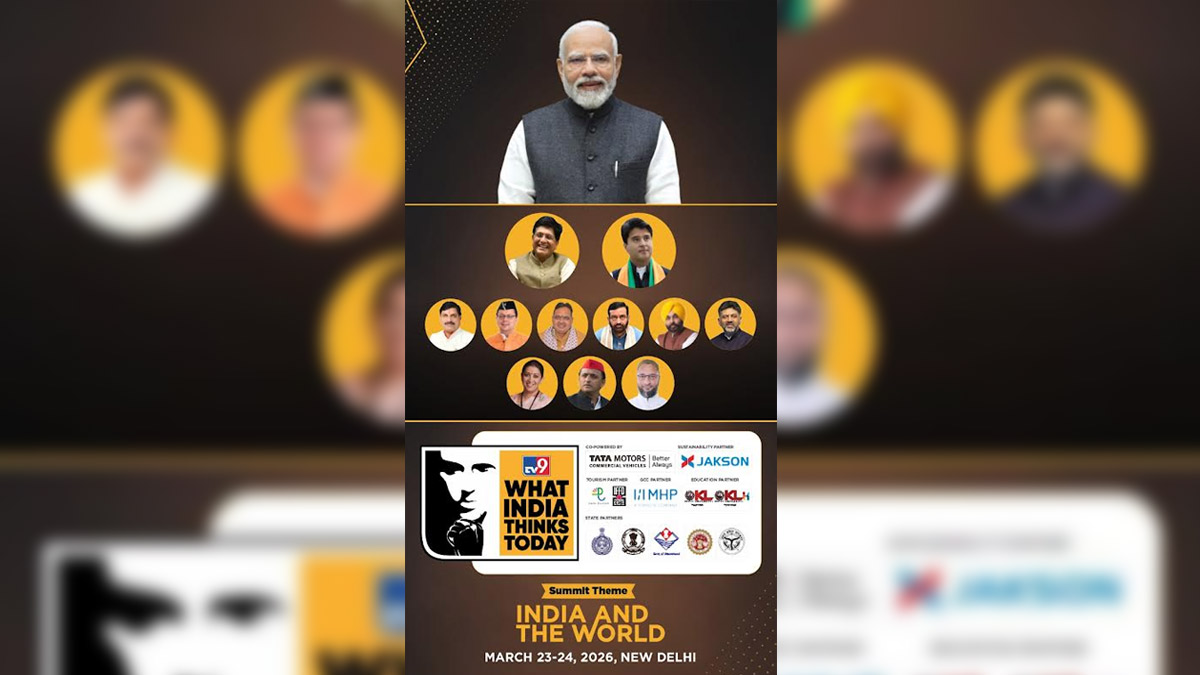
MUMBAI: The WITT Summit just wrapped up with enough big ideas to fill a policy playbook because when India’s leaders, thinkers and icons gather under one roof, even the conversations hit sixes. The eighth edition of TV9 Network’s flagship What India Thinks Today (WITT) Summit 2026 concluded on Saturday after two days of dynamic discussions at its New Delhi venue. India’s largest multi-domain public policy and culture summit brought together political leaders, policymakers, sports icons, artists and technology innovators to examine the forces shaping contemporary India and its global standing.
Prime minister Narendra Modi delivered the keynote address on the theme “India and the World” for the third consecutive year. In a wide-ranging speech, he addressed the ongoing conflict in West Asia, calling for restraint and compassion while highlighting India’s continued development trajectory despite global turmoil.
The summit featured candid conversations with state leaders. Telangana Chief Minister A. Revanth Reddy articulated a people-first governance model and contrasted it with other development approaches. Madhya Pradesh Chief Minister Mohan Yadav declared that Left-wing extremism had been effectively eliminated in his state and highlighted preparations for the upcoming Kumbh Mela. Punjab Chief Minister Bhagwant Mann defended his government’s record, citing the closure of 19 toll plazas and creation of the Sadak Suraksha Force. Karnataka Deputy Chief Minister D.K. Shivakumar expressed confidence in Congress prospects in Assam and addressed recent allegations against him.
On geopolitics and national security, Union Minister Jyotiraditya Scindia outlined India’s ambition to become a builder of trusted digital infrastructure for the world, citing the rapid 5G rollout and village-level 4G connectivity.
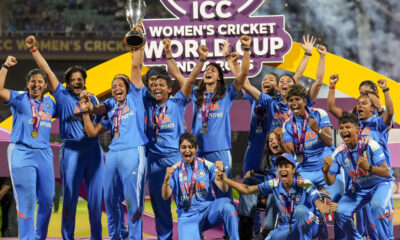
Cricket received significant attention. Former India captain Sourav Ganguly praised player freedom and trust as hallmarks of great leadership and named MS Dhoni as the greatest captain due to his World Cup successes. India women’s team bowling coach Aavishkar Salvi credited the BCCI and Women’s Premier League for building a pipeline of world-class talent behind the team’s recent ODI World Cup triumph.
The summit also hosted the inaugural AI² Awards 2026, celebrating the convergence of human creativity and machine intelligence in storytelling and content creation. Poet and kathavachak Kumar Vishwas delivered a nuanced take on India’s concept of Dharma and criticised the recent arrest of an 80-year-old Shankaracharya. Veteran lyricist Sameer Anjaan and storyteller Neelesh Misra reflected on changing music trends and artistic responsibility in the wake of a recent controversy involving Nora Fatehi.
In a country where conversations often run as deep as the Ganges, the WITT Summit proved once again that when leaders, thinkers and storytellers come together, the real winner is public discourse lively, layered and refreshingly unafraid to tackle the big questions shaping India’s tomorrow.








