News Broadcasting
BBC to sell Technology subsidiary


LONDON: The BBC will sell its wholly-owned commercial subsidiary BBC Technology. The move follows a strategic review of the BBC’s technology requirements for the next decade.
The review identified potential annual savings for the BBC of between 20 – 30 million if its technology services were outsourced.
The review concluded that the BBC should conduct an European Union (EU) procurement process in which the winner would buy BBC Technology. As part of that process it will take on about 1,400 staff currently employed by BBC Technology.

Combining the procurement process with the sale of BBC Technology as a whole means the BBC can leverage maximum value and, as a result, invest more money in its programmes and services. The sale is subject to the approval of the Secretary of State for culture, media and sport.
The move offers growth opportunities for the staff at BBC Technology as the company will undoubtedly attract bids from major technology businesses with scale and expertise. 1,400 people are likely to transfer with BBC Technology to the successful bidder after the EU procurement process. This is due to be completed next year.
BBC Technology was created a couple of years ago to deliver significant savings to the BBC through its contract for technology services, including desktop support, and to generate third party revenues. The company has won important contracts in the UK and abroad with companies such as Hutchison 3G, ESPN, DirecTV and National Public Radio. Last year, BBC Technology delivered 19 million in profits and price reductions back to the BBC.
BBC Director-General Greg Dyke was quoted in an official release saying, “By taking our technical support contract to the market and selling BBC Technology we can achieve significant savings over a sustained period of time. We would also expect to receive a significant sum of cash for the business. While some BBC Technology staff will inevitably feel worried about the prospect of change we’ve reached the conclusion that this is a win/win situation for the BBC and the staff.
“This way the staff will continue working on BBC business. However at the same time BBC Technology, which has been very successful at winning outside contracts, will get the capital injection it needs to expand further albeit in someone else’s ownership. When we were given our current funding agreement in the year 2000 by Chris Smith, the then Secretary of State for culture, media and sport, he made it a condition that we raised an additional one billion over the next seven years. He suggested one way of contributing to that was to sell a BBC asset. This is what is now planned.”






News Broadcasting
Kamlesh Singh receives Haldi Ghati Award from MMCF
India Today Group editor honoured for three decades of journalism at Udaipur ceremony.
MUMBAI- Kamlesh Singh just turned a lifetime of sharp words into a shiny shield because when journalism wakes up a society, even the Maharana of Mewar wants to pin a medal on it.
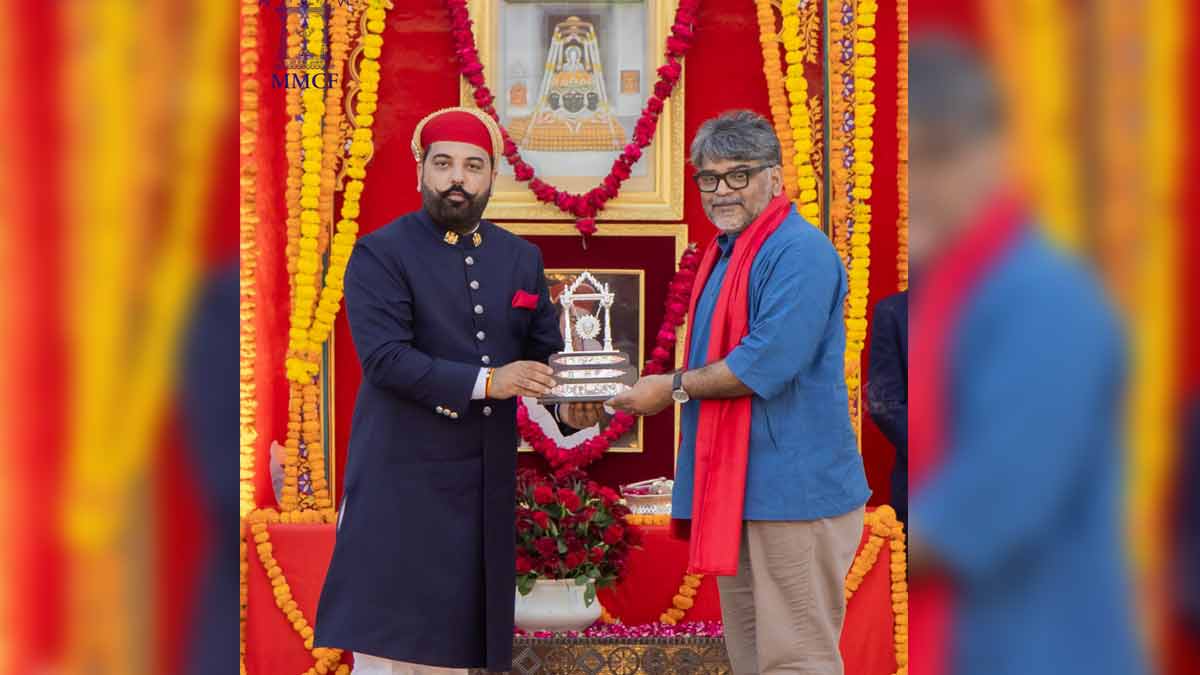
The Maharana of Mewar Charitable Foundation (MMCF) conferred its prestigious Haldi Ghati Award on Kamlesh Singh, a senior editor at the India Today Group, during a ceremony in Udaipur on 15 March 2026. The national award, instituted in 1981-82, recognises “work of permanent value that initiates an awakening in society through the medium of journalism.”
Singh, who leads several editorial initiatives including Aaj Tak Radio, the Teen Taal community and The Lallantop, was presented the honour by Lakshyaraj Singh Mewar, Managing Trustee of MMCF. The citation highlighted his three decades of contributions to Indian media, innovations in digital journalism, mentoring young reporters, and his popular podcast persona “Tau” on Teen Taal, which fosters thoughtful public discourse.
The Haldi Ghati Award, named after the historic Battle of Haldighati symbolising valour and resilience, is one of four national awards given annually by MMCF. Past recipients include Tavleen Singh, Piyush Pandey and Raj Chengappa.
Other honourees this year included Padma Vibhushan Pt Hari Prasad Chaurasia, Vedamurti Devvrat Rekhe, Treeman of India Marimuthu Yoganathan, Vir Chakra Capt Rizwan Malik, and US-based researcher Molly Emma Aitken, who received the Colonel James Tod Award for contributions to understanding Mewar’s spirit and values.
In an era where headlines often shout louder than substance, the MMCF quietly reminded everyone that real journalism isn’t about noise, it’s about the quiet, persistent work that stirs society awake, one thoughtful story at a time.







