News Broadcasting
BBC on look out for fresh talent for ‘Haath se Haath Mila’

MUMBAI: After recruiting fresh team for its AIDS awareness show – Jasoos Vijay, BBC World Service Trust is hiring again. The NGO arm of BBC World Service this time is on a talent hunt for the second edition of on-location reality show Haath se Haath Mila that airs on Doordarshan’s regional channel and targets the Hindi belt audiences.
The international broadcaster has placed an advertisement in a daily tabloid inviting applications for full-time as well as few part time positions, which are scheduled to start in June 2003. It is mentioned in the ad placed that the BBC is looking out for producers, associate producers, production manager, production assistants, VT editors on full time basis and unit manager and presenter on part time basis, for their Delhi based office.
A joint venture between the BBC World Service Trust, the Indian National AIDS Control Organisation and pubcaster Prasar Bharati – Haath se Haath Mila is the part of an AIDS awareness campaign.

Haath se Haath Mila’s anchors- Daman and Sugandha
The tri-weekly that targets the youth, debut on 9 July 2001 and is aired every Friday at 6:30 pm in Rajasthan, 7:30 pm Saturdays in Delhi and Uttar Pradesh. With Hindi film actor Suniel Shetty initially providing an interactive element in the first edition and starring fresh-faced youngsters with non-elite appeal, the production values of this show were rumoured to be higher than the pubcasters normal standards.
The applicants for the post of producer must have a minimum of three years experience in television production of non-fiction formats while the applicants for associate producers must have a minimum of two years relevant experience. As for the post of production manager, interested candidates are required to have knowledge of effective unit and financial management of production and a minimum of three years experience. The selected candidates will manage production and control on-location unit.
The applicants for the post of production assistants must have basic knowledge of television production whereas the candidates for the VT editors’ post must have a minimum of one year experience in non-linear editing and technical knowledge of DV formats and Final Cut Pro. Besides the full time positions, the broadcaster has invited application for the post of unit manager and presenters fluent in Hindi to work on part time basis.
The deadline for receiving application is 28 May 2003, says the advertisement. The applicants have to submit their CV and a covering letter specifying the position applied for at Creative Director, Youth, BBC World Service Trust, D-184, Defense Colony, New Delhi 110024 or e-mail at jobs@bbcwst.org.





News Broadcasting
Kamlesh Singh receives Haldi Ghati Award from MMCF
India Today Group editor honoured for three decades of journalism at Udaipur ceremony.
MUMBAI- Kamlesh Singh just turned a lifetime of sharp words into a shiny shield because when journalism wakes up a society, even the Maharana of Mewar wants to pin a medal on it.
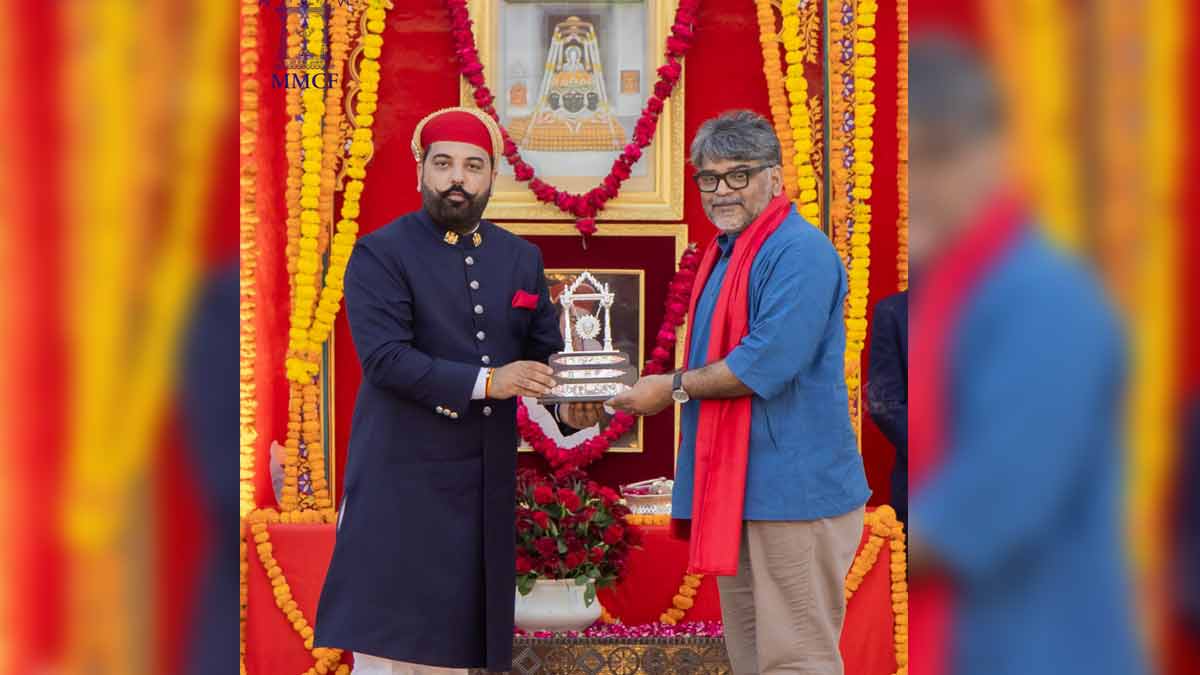
The Maharana of Mewar Charitable Foundation (MMCF) conferred its prestigious Haldi Ghati Award on Kamlesh Singh, a senior editor at the India Today Group, during a ceremony in Udaipur on 15 March 2026. The national award, instituted in 1981-82, recognises “work of permanent value that initiates an awakening in society through the medium of journalism.”
Singh, who leads several editorial initiatives including Aaj Tak Radio, the Teen Taal community and The Lallantop, was presented the honour by Lakshyaraj Singh Mewar, Managing Trustee of MMCF. The citation highlighted his three decades of contributions to Indian media, innovations in digital journalism, mentoring young reporters, and his popular podcast persona “Tau” on Teen Taal, which fosters thoughtful public discourse.

The Haldi Ghati Award, named after the historic Battle of Haldighati symbolising valour and resilience, is one of four national awards given annually by MMCF. Past recipients include Tavleen Singh, Piyush Pandey and Raj Chengappa.
Other honourees this year included Padma Vibhushan Pt Hari Prasad Chaurasia, Vedamurti Devvrat Rekhe, Treeman of India Marimuthu Yoganathan, Vir Chakra Capt Rizwan Malik, and US-based researcher Molly Emma Aitken, who received the Colonel James Tod Award for contributions to understanding Mewar’s spirit and values.
In an era where headlines often shout louder than substance, the MMCF quietly reminded everyone that real journalism isn’t about noise, it’s about the quiet, persistent work that stirs society awake, one thoughtful story at a time.







