News Broadcasting
BBC launches ‘Disinformation Unit’ in India to combat misinformation


Mumbai: BBC News has launched a new ‘Disinformation Unit’ in India to uncover, analyse and report on the spread of fake news. According to a statement, a team of dedicated journalists will focus on highlighting false information, debunking viral social media content and investigating how and why it spreads. The team will provide audiences with useful tips and information on how to spot ‘fake news’ and prevent it from spreading further.
Audiences will also be able to report on any fake news they think should be investigated by messaging the BBC’s Disinformation Unit.
This newly launched unit in India is an extension of the BBC’s continued commitment to combat misinformation and is a part of the BBC Global Disinformation unit, which includes experienced journalists based in Africa and the UK.

“Disinformation is a global issue that disregards boundaries of languages, platforms, cultures, and age-groups. Unchecked news can affect health, society and democracy,” said BBC Disinformation editor Rebecca Skippage. “This new team of dedicated journalists will allow us to shine a light on misleading information and help people decide for themselves what to believe and what to mistrust.”
Simultaneously, a scheme called BBC Young Reporter India has rolled out ‘media awareness workshops’ in schools across India to help young people think critically about the media they consume, recognise facts from fake and pause before sharing potentially misleading and harmful information. The workshops are being delivered in partnership with Internews and DataLeads teams.
This initiative will deliver training to seven thousand students across hundred schools in India by the end of the year. Over five thousand have already attended the workshops in more than forty-five Indian cities, said the statement.
“The pandemic has shown the appalling damage that misinformation can cause. Fake cures, anti-vax messaging and conspiracy theories have been widely shared, often by people thinking they are doing the right thing as neighbours and friends,” stated BBC Beyond Fake News head Marie Helly. “It is imperative that the next generation become responsible citizens who understand the difference between fact and fake and can think critically about the media they consume.”
“Trust, accuracy and impartiality are at the heart of the BBC. I am delighted by the quality of the students and trainers who are working together with the BBC to counter the dangers of misinformation here in India,” Helly further said.
The workshops are building a network of young people who can spot disinformation using a BBC fact-checking technique called ‘Real’ and educating the students to think analytically like journalists.
“The workshop actually helped the students to navigate and take the right direction in the digital world. It has been a relevant training session to learn the skill of identifying the authenticity of the news which are at the fingertips of the students in the changed scenario,” commented SRS English Medium School (Brahmavar) Karnataka principal Abhilasha S.
“The BBC Young Reporter workshop has been immensely enlightening and enriching for the students. The webinar was impactful enough to generate awareness amongst the students to be discerning users of social media,” said Delhi Public School (Nazira) Assam headmistress Meenakshi Duarah. “The students were exposed to a lot of significant things to be kept in mind while using social media. Apart from the students, the teachers who attended the webinar also found it beneficial for the students.”




News Broadcasting
CNN-News18 to host Fury in the Gulf conclave on West Asia crisis
Three-hour summit to unpack geopolitical fallout and impact on India
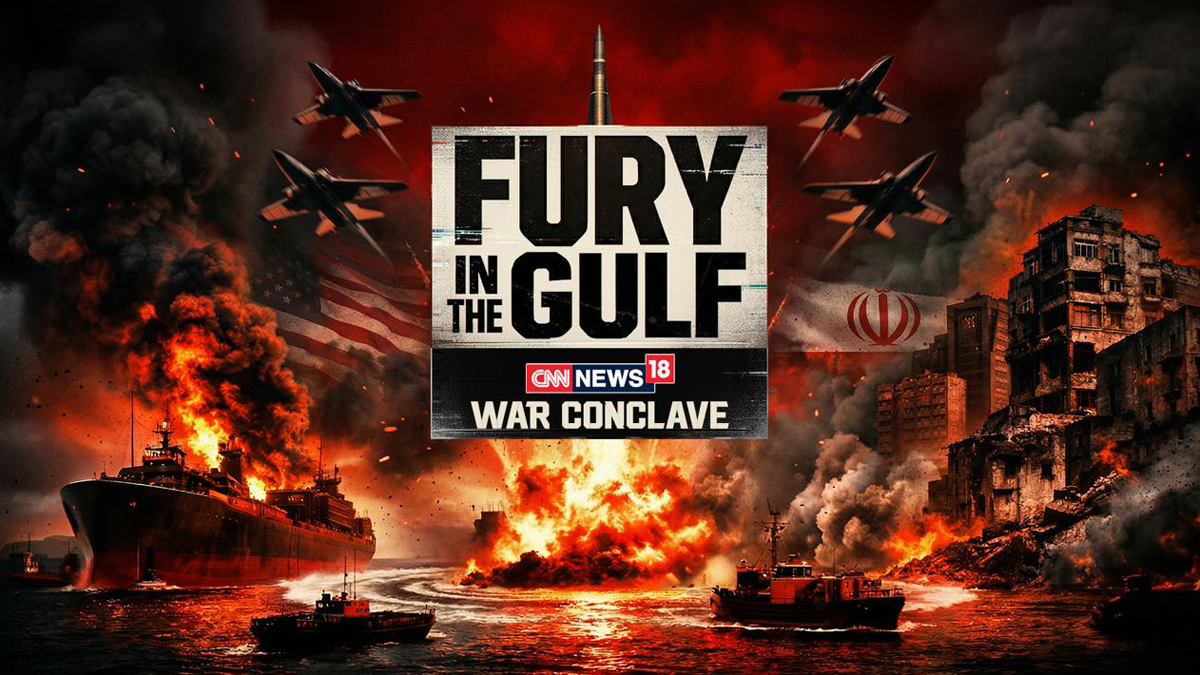
MUMBAI: CNN-News18 is set to host a special three-hour broadcast, Fury in the Gulf – War Conclave, on April 7, aiming to decode the escalating West Asia crisis and its far-reaching implications for India.
Scheduled from 4:00 PM to 7:00 PM, the conclave comes at a time when tensions between Iran and the United States are reshaping global geopolitics and triggering economic uncertainty. With India’s deep energy ties, trade links and large diaspora in the Gulf, the developments carry significant domestic relevance.
Built around the theme ‘Conflict, Consequences, and The Future,’ the programme will feature six curated sessions combining one-on-one interviews and panel discussions. The focus is to cut through the clutter and offer viewers a clearer understanding of the fast-evolving situation.
Key sessions include ‘Diplomacy in Times of War’ featuring Shashi Tharoor, and ‘World After the Iran Conflict’ with voices such as Ram Madhav, Reuven Azar, representatives from the European Union and the Iranian Deputy Envoy. Another session titled ‘Another Dunkirk?’ will bring together K. J. S. Dhillon and Jitin Prasada among others.
CNN-News18 editorial affairs director Rahul Shivshankar said, “In times of war, clarity becomes the most powerful tool. Fury in the Gulf – War Conclave brings together credible voices to address the questions and confusion that arise amid an overwhelming influx of information.”
He added that the initiative is aimed at delivering “facts, perspective, and insight” at a time when misinformation can easily cloud public understanding.
Echoing the sentiment, CNN-News18 CEO– English and business news Smriti Mehra said the conflict marks a defining global moment, with consequences that extend well beyond the region. She noted that the conclave seeks to present the crisis with “depth, nuance and responsibility” so audiences can better grasp its real-world impact.
As geopolitical tensions continue to dominate headlines, the conclave positions itself as an attempt to bring order to the noise, offering viewers a structured, insight-led look at a complex and rapidly shifting global situation.






