Applications
BBC Knowledge launches in Cyprus on Cablenet


MUMBAI: BBC Worldwide Channels has signed a brand new distribution deal with Cablenet that will see the launch of BBC
Knowledge in Cyprus for the first time from today.
This deal follows in the footsteps of BBC Knowledge launching for the first time in Romania and Hungary in January and is the third milestone in an ambitious roll-out plan for the channel across the CEE region in 2013.
The deal with Cablenet arrives shortly after BBC Knowledge launched for the very first time on RCS & RDS in Romania, DIGI in Hungary on 1 January and Romania’s Romtelecom on 3 January.

BBC Knowledge will be available in the Basic package on Digital cable, reaching over 6,500 subscribers in Cyprus. BBC Entertainment and BBC World News continue to be available in the Basic package on analogue and digital cable reaching over 35,000 subscribers.
BBC Entertainment is already shown on Cablenet in English, and BBC Knowledge will follow its lead.
BBC Worldwide Channels SVP and GM EMEA Ian McDonough commented, “We are delighted to announce that BBC Knowledge will air in Cyprus from 1st February 2013. As we’ve already seen with recent deals in Romania and Hungary, there’s a huge appetite in the Central and Eastern European market for the kind of quality content the BBC has to offer. We are looking forward to bringing our award-winning, factual programming to viewers in Cyprus, and to this latest exciting chapter in the story of BBC channels in the CEE region.”
Cablenet MD Nicolas Shiacolas commented, “It is our constant goal to enrich our TV bouquets with quality channels, ensuring we continually offer our customers better value. The BBC has always stood for and offered the very best in TV entertainment, so we are truly pleased that BBC Knowledge has become available for Cyprus and we can add it to our digital service.”
BBC Knowledge showcases British factual and natural history programming. Programmes include the epic series Wonders of the Universe in which Professor Brian Cox explores the link between humanity and the origins of the universe, Richard Hammond’s Crash Course which follows the Top Gear presenter take on America’s biggest working vehicles and the major global viewing astronomical event Stargazing, an original co-commission exclusive to BBC Knowledge.





Applications
With 57 per cent single new users, Ashley Madison rebrands as discreet dating platform
Platform says majority of new members now identify as single
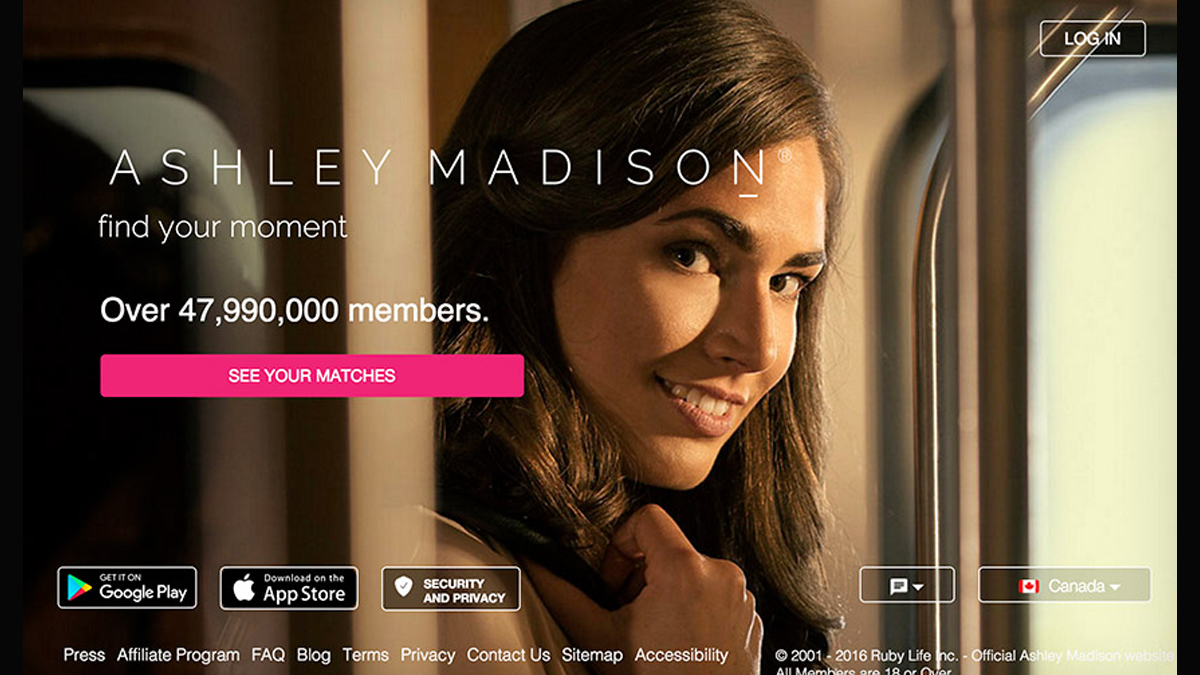
INDIA: Ashley Madison is shedding the “married-dating” label that defined it for two decades, repositioning itself as a platform for discreet dating in what it calls the post-social media age.
The rebrand, unveiled in India on 27 February, 2026, marks a structural shift in business model and identity. Once synonymous with married dating, the company now describes itself as the “premier destination for discreet dating” under a new tagline: Where Desire Meets Discretion.
The pivot is data-driven. Internal figures show that 57 per cent of global sign-ups between 1 January and 31 December, 2025 identified as single: a notable departure from the platform’s married core. The company argues that its community has already evolved beyond its original positioning.
“In an age where our lives have been constantly put on public display, privacy has become the new luxury,” said Ashley Madison chief strategy officer Paul Keable. He framed the platform’s offering as “ethical discretion” for singles, separated, divorced and non-monogamous users seeking private connections.
The shift also taps into wider digital fatigue. A global survey conducted by YouGov for Ashley Madison, covering 13,071 adults across Australia, Brazil, Canada, Germany, India, Italy, Mexico, Spain, Switzerland, the UK and the US, found mounting discomfort with hyper-public online lives.
Among dating app users, 30 per cent cited constant swiping and messaging as a source of fatigue, while 24 per cent pointed to pressure to curate public-facing profiles and early personal disclosure. Some 27 per cent said fears of screenshots or information being shared contributed to exhaustion; an equal share cited unwanted attention.
The retreat from oversharing appears broader. According to the survey, 46 per cent of adults actively try to keep most aspects of their life private online. Only 8 per cent feel comfortable sharing most aspects publicly, while 35 per cent say they are becoming more selective about what they disclose.
Ashley Madison is betting that this cultural recalibration towards controlled visibility can be monetised. By doubling down on privacy infrastructure and reframing itself around discretion rather than infidelity, the company is attempting to convert reputational baggage into a premium proposition.






