News Broadcasting
BBC implementing radical change : Michael Grade


MUMBAI: The BBC’s public service mission for the 21st century remains unchanged. But the BBC has to change to demonstrate it can and will deliver it..
This was the core of the message that BBC chairman Michael Grade delivered in his keynote address to the CBI annual conference in Birmingham
“The BBC has to return a dividend to the public whose licence fees support the BBC. A dividend not in cash. But a dividend nevertheless of real and measurable value to the public, both as individuals and as citizens”.

He described how the BBC’s five core purposes, together with new governance initiatives, like service licences and the public value test, will provide greater clarity to drive the BBC to deliver its public service mission and to be more accountable for its performance.
Grade said that an important element of the BBC’s reforms was the changes to the governance system. He said the need to change had been too pressing to await the outcome of the Charter review debate.
Grade said that, while the current system of governance had been in need of radical reform, he believed it remained the most appropriate model for the BBC and he explained why other governance models currently being discussed would not work for the Corporation.
“It’s sometimes said that there’s a fundamental design problem with a system that asks BBC Governors to be both cheerleaders and regulators. Of course there is a potential contradiction. But it’s not significant as long as the Governors don’t confuse championing the BBC with championing the management of the BBC.
“The supervisory structure appropriate to a commercial broadcaster albeit one with some public service obligations is not right for the BBC which receives nearly three billion pounds in public money.”
He added that one area of great importance to the Governors, and where they are looking to do more, is getting closer to licence payers in order to understand their concerns.
“I think that the internet and the new digital technologies should contribute to a solution. In the New Year, we will announce our programme of action to connect with the licence fee payers who are our customers and our owners. They deserve better than a passive role.
“We are publishing new, much more tightly drawn, objectives. They focus on how bbc.co.uk can be made more distinctive, and deliver more public value, in this developing and growing market.
“We’ve reviewed our portfolio of websites and closed some sites down because they would not meet our new test of public value.There are further closures and spending reallocations within online to come as we specify what we won’t do, as well as what we will.”




News Broadcasting
CNN-News18 to host Fury in the Gulf conclave on West Asia crisis
Three-hour summit to unpack geopolitical fallout and impact on India
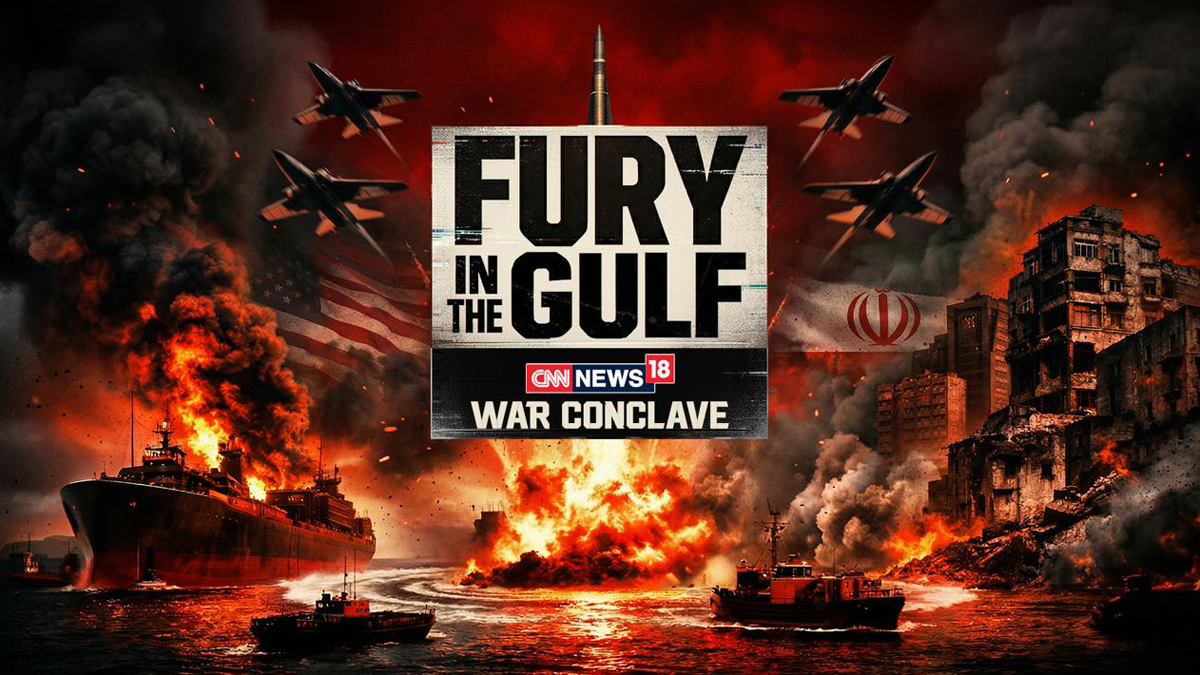
MUMBAI: CNN-News18 is set to host a special three-hour broadcast, Fury in the Gulf – War Conclave, on April 7, aiming to decode the escalating West Asia crisis and its far-reaching implications for India.
Scheduled from 4:00 PM to 7:00 PM, the conclave comes at a time when tensions between Iran and the United States are reshaping global geopolitics and triggering economic uncertainty. With India’s deep energy ties, trade links and large diaspora in the Gulf, the developments carry significant domestic relevance.
Built around the theme ‘Conflict, Consequences, and The Future,’ the programme will feature six curated sessions combining one-on-one interviews and panel discussions. The focus is to cut through the clutter and offer viewers a clearer understanding of the fast-evolving situation.
Key sessions include ‘Diplomacy in Times of War’ featuring Shashi Tharoor, and ‘World After the Iran Conflict’ with voices such as Ram Madhav, Reuven Azar, representatives from the European Union and the Iranian Deputy Envoy. Another session titled ‘Another Dunkirk?’ will bring together K. J. S. Dhillon and Jitin Prasada among others.
CNN-News18 editorial affairs director Rahul Shivshankar said, “In times of war, clarity becomes the most powerful tool. Fury in the Gulf – War Conclave brings together credible voices to address the questions and confusion that arise amid an overwhelming influx of information.”
He added that the initiative is aimed at delivering “facts, perspective, and insight” at a time when misinformation can easily cloud public understanding.
Echoing the sentiment, CNN-News18 CEO– English and business news Smriti Mehra said the conflict marks a defining global moment, with consequences that extend well beyond the region. She noted that the conclave seeks to present the crisis with “depth, nuance and responsibility” so audiences can better grasp its real-world impact.
As geopolitical tensions continue to dominate headlines, the conclave positions itself as an attempt to bring order to the noise, offering viewers a structured, insight-led look at a complex and rapidly shifting global situation.






