iWorld
BBC backs down on podcast ads, AudioUK expresses concern

MUMBAI: The BBC has made a U-turn on plans to plaster ads around its licence fee-funded podcasts, after a right old public controversy. The broadcaster’s annual plan for 2025-26 confirmed that it had ruled out the idea, following a barrage of feedback.
“We have listened to feedback and having considered the options carefully, we have decided to rule out placing adverts around BBC licence-fee funded programmes on third party podcast platforms in the UK,” the BBC stated, effectively slamming the door on the ad plans.
AudioUK, the trade body representing independent podcast and audio producers, welcomed the decision, but they’re still keeping a beady eye on BBC Studios’ commercial activities. They’re worried that the BBC’s commercial arm, with its “powerful” presence, could disrupt the fledgling UK podcast market.

“We remain concerned about the BBC’s entry into the UK podcast advertising market through content produced by the BBC Studios,” AudioUK said in a statement. “The potential disruption caused by such a large player entering the space without full consideration of its impact on these businesses is troubling.”
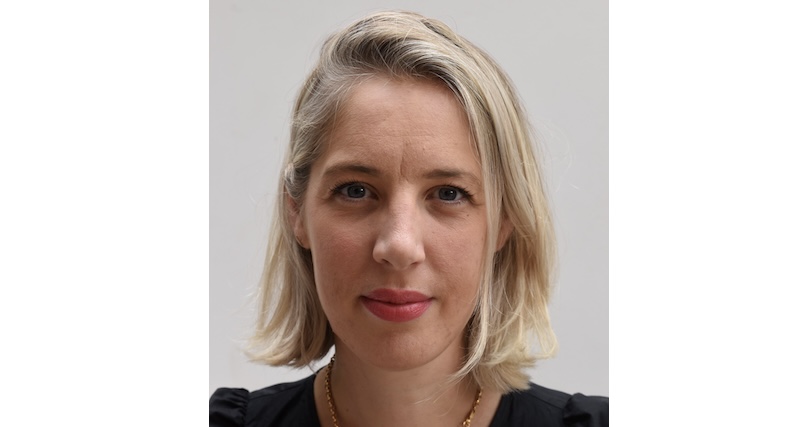
AudioUK CEO Chloe Straw called for “greater engagement” from BBC Studios, urging it to “support, rather than disrupt” the developing podcast ecosystem. She’s keen to see the Beeb join the “vibrant, collaborative space” that independent producers have built.
“Whilst the UK podcasting industry is thriving and growing rapidly, it remains relatively young and has been largely built and driven by the creativity, innovation and investment of over 200 SMEs, many of them regional and diverse,” Straw said.
AudioUK is also keen to see “greater transparency and research” from the BBC on how it intends to grow the market, alongside the many other organisations and businesses already working to attract advertising investment.





iWorld
Samay Raina returns with Still Alive, confronts 2025 controversy in bold comeback special
Comeback set tackles controversy, blending humour with raw storytelling
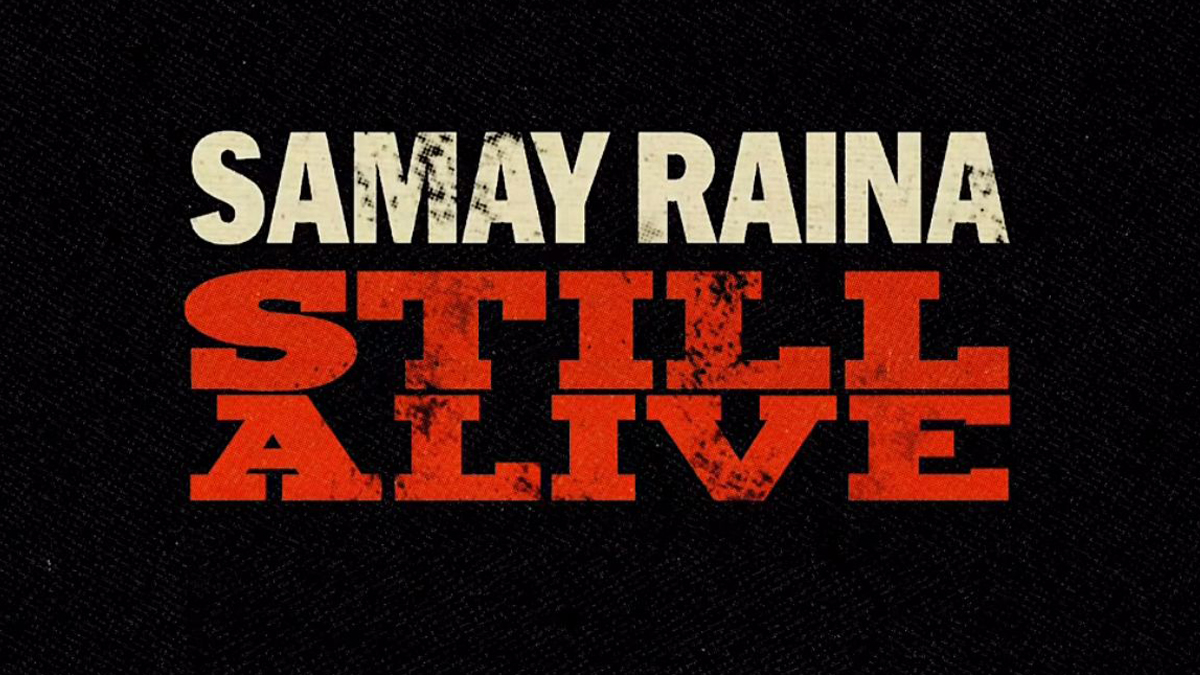
MUMBAI: Samay Raina is set to release his new stand-up comedy special, Still Alive, on YouTube on April 7, 2026, marking a high-profile return following a turbulent year.
The trailer for the special dropped on April 5, offering a glimpse into what Raina describes as a raw and unfiltered set that leans as much on honesty as it does on humour.
Positioned as a comeback of sorts, Still Alive draws heavily from the controversy surrounding his show India’s Got Latent in early 2025. The episode led to legal trouble, multiple FIRs, and a lengthy six-hour interrogation by the Maharashtra Cyber Cell, placing the comedian at the centre of intense public scrutiny.
Rather than sidestep the episode, Raina leans into it. The special reflects on the fallout and his personal journey through it, blending observational comedy with moments of emotional candour. Early audience feedback from live performances suggests the tone is less about rapid-fire punchlines and more about storytelling with bite.
The special was filmed during his global Still Alive & Unfiltered tour, which ran from August 2025 to early 2026. The tour saw Raina perform across major international venues, including the Madison Square Garden Theatre in New York, a milestone that places him among the youngest Indian comedians to take that stage.
The title itself signals resilience. “Still Alive” is a nod to navigating both legal and public backlash while choosing to remain unapologetically authentic, a theme that appears to anchor the set.
With the special set to premiere online, all eyes are now on how audiences respond to a performance that promises equal parts reflection and wit. For Raina, the message is clear. He is not just back, he is ready to be heard on his own terms.






