iWorld
AVIA appoints Matthew Cheetham as GM of Coalition Against Piracy


Mumbai: The Asia Video Industry Association (AVIA) has appointed Matthew Cheetham as general manager of the Coalition Against Piracy (CAP), with immediate effect.
In his new role, Cheetham will take over from Aaron Herps and build on the accomplishments achieved by CAP to date, with the aim of creating a stronger and healthier environment in which the video industry can prosper, said the statement.
Over the last four years, CAP has made real inroads into the systemic problems of video piracy faced by the broadcast and streaming video industry in the Asia Pacific (APAC). “CAP is critically important to AVIA and the industry as a whole and I am delighted that in Matt we have such a seasoned and experienced executive taking over,” said AVIA CEO Louis Boswell. “Matt will bring his own ideas and energy to the role and I am confident CAP and the industry’s anti-piracy efforts will grow in strength under him.”

Cheetham is a qualified lawyer specialising in intellectual property, more specifically copyright protection, with over 20 years of experience working in APAC for some of the largest content producers in the world. Prior to taking up his role at CAP, he was the Premier League’s head of business affairs, APAC. In this role, Cheetham opened and headed up the Premier League’s APAC office in Singapore, the Premier League’s first office outside the UK, and oversaw all enforcement, policy and outreach efforts for the Premier League in APAC.
Prior to working for the Premier League, Cheetham spent ten years as the Motion Picture Association’s (MPA) regional legal counsel and assistant policy officer for APAC following which he was the managing director of the MPA’s New Zealand office, the New Zealand Screen Association (NZSA) that oversaw all enforcement, policy and outreach efforts for MPA member companies in New Zealand.


iWorld
Crocs India ropes in Rakesh Bedi for quirky new digital campaign
Veteran actor brings humour and nostalgia to brand’s latest ‘Crocshake’ film.
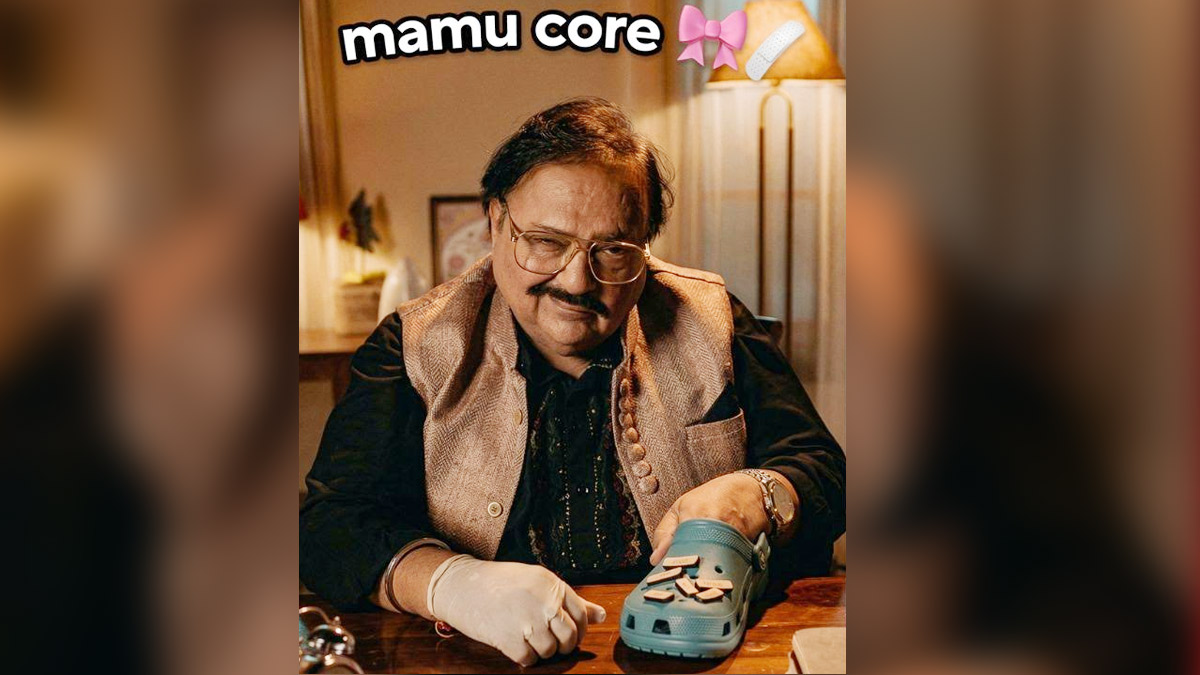
MUMBAI: Crocs has decided to shake things up quite literally by teaming up with veteran actor Rakesh Bedi for its latest digital campaign. The campaign, conceptualised by One Hand Clap, cleverly taps into the current wave of nostalgia and character-led content. It features Rakesh Bedi, who is currently enjoying renewed popularity after Dhurandhar, in a series of increasingly chaotic yet humorous everyday situations.
At the centre of the film is a simple handshake that spirals into a chain of unexpected twists, culminating in the fun “Crocshake.” The light-hearted narrative highlights how ordinary social moments can turn into memorable ones, perfectly aligning with Crocs’ brand ethos of individuality, comfort, and self-expression.
Crocs India country manager Manoj Juneja said the campaign reflects the brand’s desire to stay culturally relevant. “This collaboration with Rakesh Bedi blends humour, nostalgia, and contemporary trends to create content that entertains and sparks conversations,” he noted.
Rakesh Bedi added, “What I loved about this campaign was how naturally the humour came through. It takes a simple, everyday situation and turns it into something completely unexpected. It’s always exciting to be part of something audiences can instantly connect with.”
The campaign builds on Crocs India’s ongoing strategy of creating relatable, digital-first storytelling that resonates with a wide audience while staying true to the brand’s playful personality.
In a crowded footwear market, Crocs continues to stand out by keeping things fun, comfortable, and conversation-worthy proving once again that sometimes all you need is a good shake (or Crocshake) to make your mark.







