International
Aurelio De Laurentiis announces $ 100 mn expansion plan

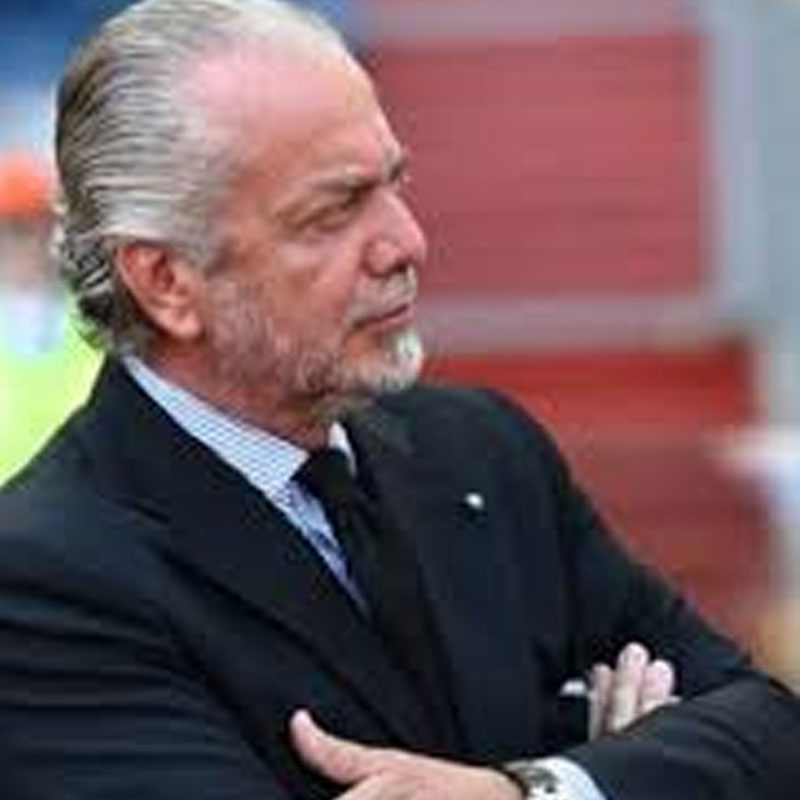
MUMBAI: Italian film producer Aurelio De Laurentiis has announced an ambitious $100 million expansion plan for his Filmauro production house. He has also opined on a variety of topics including a new strategy for film distribution, criticism of Italian Prime Minister Mario Monti‘s alleged disinterest in film and an end to Filmauro‘s highly profitable Christmas film franchise.
The expansion plans, involving Universal Pictures International Italy, were the centerpiece of the gregarious De Laurentiis‘ meandering 80-minute monologue at Universal‘s Rome headquarters, with Universal Italy president Richard Borg and De Laurentiis‘ son, Luigi De Laurentiis also present.
De Laurentiis said he would produce at least 20 films in conjunction with Universal Italy, including some international titles. Among them: the Steve Jobs biopic Jobs: Get Inspired and a yet-unnamed project he said would be based on a Truman Capote story and would star Leonardo DiCaprio and Ryan Gosling.

De Laurentiis, 63, nephew of the late famed producer Dino De Laurentiis, also predicted that comedic actor Christian De Sica, the son of iconic Italian director Vittorio De Sica would try his hand increasingly at directing in the future.
The Italian productions he said are in the works include Colpi di fulmine (Lightning Strike), the latest comedy from Neri Parenti, a comedy he said would be called Mr. Love, another featuring popular comic Carlo Verdone called Sei personaggi in cerca d‘amore (Six Characters in Search of Love) and three films from young director Alberto Ferrari, including one that De Laurentiis said Oscar-winning actor and director Roberto Benigni wanted but that De Laurentiis snatched away from him.
The producer also said that he would make his first foray into television next year, with a project of six 100-minute episodes taken from a book by best-selling author Giorgio Faletti.
He also said he soon will travel to Los Angeles to meet with Universal brass to discuss a still wider agreement with the company, covering territories other than Italy.





International
Russia-India cinematic spectacle Persimmon of My Love set for grand Moscow debut
Hindi cinema style musical revives Indo-Soviet cinema ties for today

MUMBAI: A new chapter in cross-border storytelling is set to unfold as Persimmon of My Love gears up for its premiere in Moscow on 1 April 2026, marking the first large-scale cinematic collaboration between Russia and India in decades.
Positioned as a modern nod to the cultural exchange that once brought Indian classics to Soviet audiences, the film blends Hindi cinema flair with Russian storytelling, aiming to rekindle a long-standing cinematic friendship.
Directed by Marius Weisberg, the musical comedy follows two brothers navigating a lively world of music, family and romance. The lead roles are played by Demis Karibidis and Mikhail Galustyan, with Karibidis also contributing as a screenwriter.
Shot entirely in India, the production leans heavily into Hindi cinema style spectacle. Filming took place across Mumbai studios and the cities of Udaipur and Jodhpur, whose architecture was used to create the fictional setting of Khurmada. A crew of over 350 worked on the project, with large-scale sequences featuring up to 1,000 extras.
The film also brings Indian creative talent into the mix. Dance sequences are choreographed by Jay Kumar, while music by Zurab Matua features songs in both Hindi and Russian, adding to its cross-cultural appeal.
Backed by TNT channel, MyWayStudio and the Russian Cinema Fund, the project reflects a broader push to strengthen cultural ties between the two countries.
With its mix of colour, comedy and cross-border collaboration, Persimmon of My Love is not just a film release but a reminder that cinema, much like music, travels well across borders.






