International
‘Argo’, ‘Life of Pi’ scoop top Oscar Awards

MUMBAI: On Oscar night the ‘Argo‘ juggernaut which had been building ever since the Oscar nominations came out proved unstoppable. The Ben Affleck directed film won three Oscars – Best Picture, Adapted Screenplay and Editing. It was the first time in over two decades that a film won the Best Picture Oscar without the director being nominated. It also beat four films that had more nominations which has also not happened in a long time. Michelle Obama made the announcement of the winner in the Best Picture category from the White House. Obama‘s appearance was a big surprise as were some of the musical numbers that were performed.
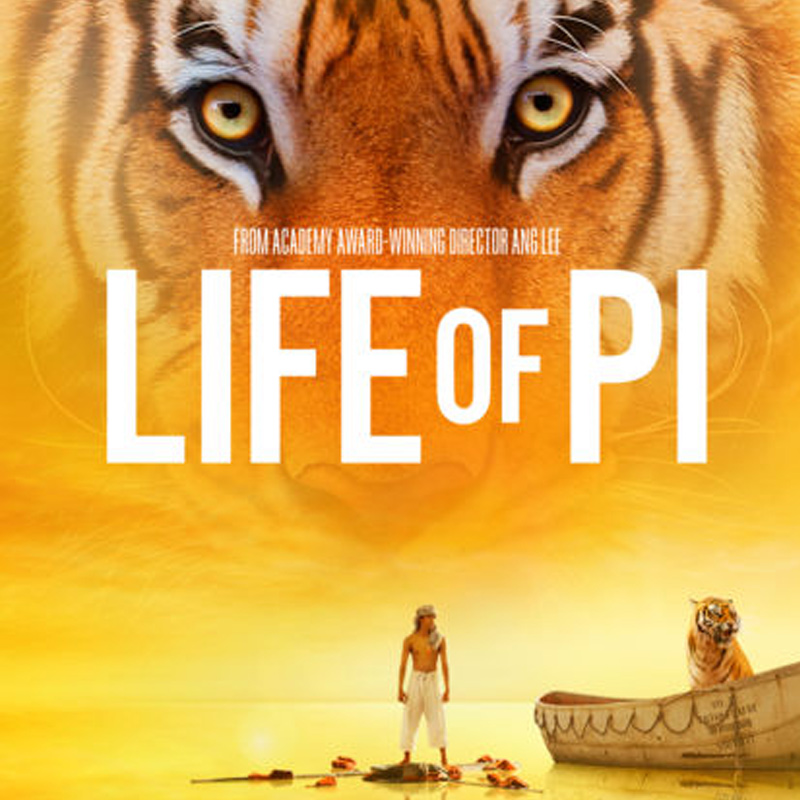
Ang Lee won the Oscar for Best Director. His movie ‘Life of Pi‘ was considered to be the directorial achievement of the year by many film fans since it was adapted from a novel that many felt was ‘unfilmmable‘. ‘Life Of Pi‘ also marked the first time that the director of a 3D film won.
Lee thanked his crew in Taiwan and India. After accepting the trophy, signed off with a ‘Namaste‘ and said (while he was backstage), "Here‘s the thing. I think it‘s a miracle I could make this movie. I carried the anxiety for a very long time. For four years. It‘s a philosophical movie and an expensive one."

‘Life Of Pi‘ won four Oscars, the most for any film, including trophies for visual effects, score, director and cinematography. The technical wins were expected. But to win director Lee had to beat stiff competition from Steven Spielberg for ‘Lincoln‘ which had a most disappointing evening. While it got the most nominations – 12 it only won for Best Actor Daniel Day Lewis which was expected and also for production design.
That was the trend through the Oscar season where at previous awards shows like the Baftas ‘Lincoln‘ got the most nominations but only kept winning for Daniel Day Lewis. He is the first actor to win the Oscar three rimes for Best Actor In a Leading Role. Apart from ‘Lincoln‘ also faring poorly was ‘Silver Linings Playbook. It only got one Oscar for Best Actress Jennifer Lawrence despite hectic Oscar campaigning.
The independent film ‘Beasts of the Southern Wild‘ did not get anything. Kathryn Bigelow‘s ‘Zero Dark Thirty‘, the film about how the CI.A. hunted Osmama Bin Laden, luckily survived a similar fate when it tied for a sound award with Skyfall‘. Adele who sang the song for the Bond film also won. ‘Amour‘ like ‘Zero Dark Thirty‘, also had a disappointing showing with just one win for Best Foreign Film. The film‘s female lead Emmanuelle Riva was considered a hefty candidate for the Best Actress category.
Faring better was ‘Les Miserables‘ which had the second most wins behind ‘Life of Pi‘ – three including for supporting actress Anne Hathaway. "There are so many people whose support and generosity is the reason I‘m standing here right now," Hathaway said. Quentin Tarantino won for original Screenplay for ‘Django Unchained‘. He said that 2012 was the year of writers. The movie also picked up the award for Best Supporting Actor – Christoph Waltz. This was his second Oscar. His first win also came from a Tarantino film ‘Inglourious Basterds‘ a few years ago.



International
Moskino and Bollywood: Moscow Film Cluster and Film City Mumbai signed a cooperation agreement
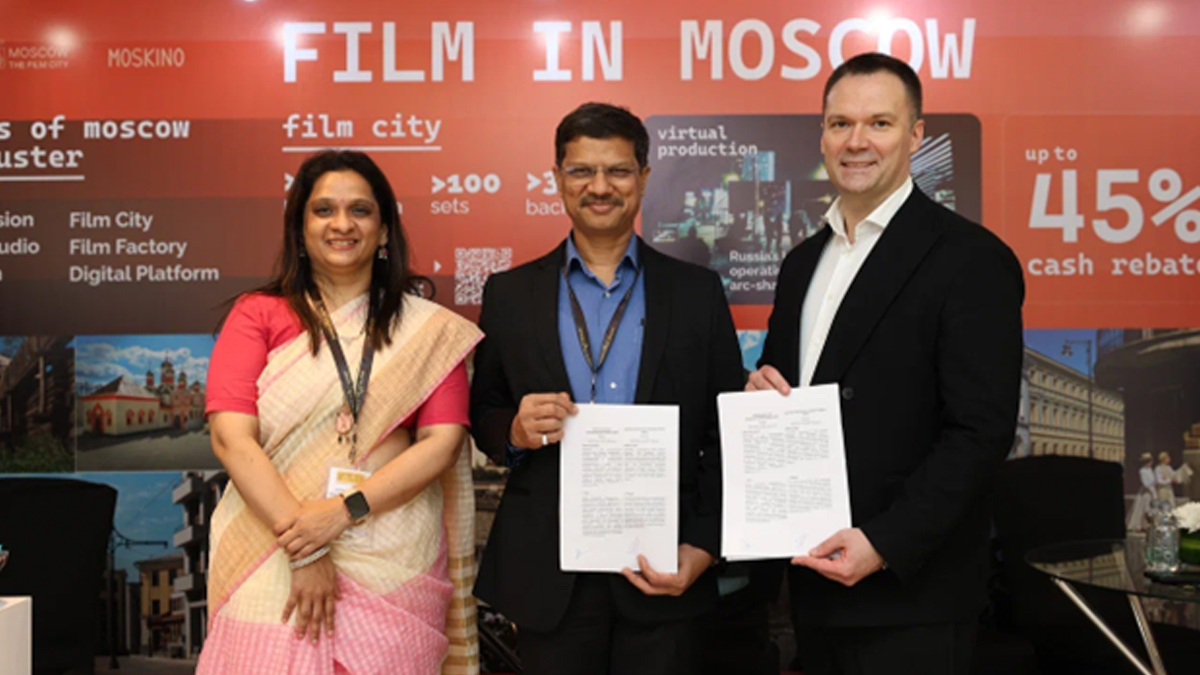
Moscow Film Cluster has signed a cooperation agreement with Film City Mumbai. The parties agreed to cooperate in developing the film industry, promoting shooting locations and supporting filmmakers.
The memorandum was signed on the sidelines of the India International Film Tourism (IIFTC) Conclave in Mumbai. At this forum, the Moscow Film Cluster presented Moscow’s opportunities for film shooting, including infrastructure projects such as Film City Moskino and Film Factory. Special attention was paid to the Moscow rebate system – up to 45% – and the co-production development.
Memorandum of Understanding between the Film City and Moscow Film Cluster provides for the establishment and development of mutually beneficial cooperation in the film industry development, including joint promotion of shooting locations, support for filmmakers, implementation of marketing and industry events, development of incentive support measures and strengthening of economic and cultural interaction between India and Moscow.
The parties also intend to promote the development of the audiovisual sector through the exchange of experience, joint initiatives and the search for opportunities to create new industry partnerships and clusters.
Moscow Film Cluster is a major city initiative led by Moscow Mayor Sergei Sobyanin to develop the capital into a global cinema hub. It brings together key production infrastructure – such as the Moskino Film Сity, Film Factory and Gorky Film Studio – along with the Film Commission, digital platform and cinema chain to streamline shooting, support productions and attract international filmmaking to Moscow.
Also, Moscow offers a rebate of up to 45%: 30% as direct production cost compensation, up to 15% for visa and accommodation support. The Moscow Image Grant provides up to $255,000 for films showcasing iconic city views.
The Moscow Film Cluster booth attracted considerable attention from Indian producers and studios. Over 80 business meetings were held, including those with major Indian companies.
One of the booth guests was the famous Indian actress Khushboo Sundar, known to Soviet and Russian audiences for her role in My Soul and considered the leading star of Tamil cinema, in whose honor one of the local temples was even built. Prithul Kumar, representative of the Indian Ministry of Information and Broadcasting and one of the officials responsible for regulating the film industry in the country, also expressed interest in the development of the Moscow Film Cluster.
One of the highlights of the India International Film Tourism Conclave was the awarding of The Greatest of All Time in the For Cinematic Excellence category. The movie was shot in Moscow. The jury members noted the project’s contribution to the development of tourism.
The shooting of The Greatest of All Time AGS by Entertainment was organized with the assistance of the Moscow Film Cluster and the Moscow Film Commission and took place in April 2024 on the streets of Moscow. The scenes were shot in such famous locations as Patriarch Bridge, Teatralnaya Square, Manezhnaya Square, Kazarmenny Lane, Podsosensky Lane, Nikolskaya Street and one of the festival venues of Moscow Seasons.
The Greatest of All Time became a landmark event in Indian box office history. It ranked fourth in box office earnings among all movies released in India in 2024 and is one of the most successful Tamil-language movies in history.
At the same time, the shooting of another joint Russian-Indian movie started at the Moskino Film City in Moscow. A film project dedicated to badminton became one of the first participants in the Moscow rebate program.
A project by Smena & WISH Media (Russia) and Kartina Entertainment And Sports Private Limited (India) will tell the story of a badminton player who travels to India with the Russian national team to compete in a tournament. Russian viewers will see for the first time the scale of sporting competitions in Asia, where badminton is a cult sport and draws packed stands of fans.
The agreement on the joint production of the Smash movie was signed st the Moscow International Film Week in August 2025. And as Moscow Mayor Sergei Sobyanin said, a rebate application was also submitted at that time to reimburse part of the costs incurred during the shooting process in the Russian capital.