Gaming
Anuj Tandon joins venture capital firm Bitkraft Ventures as partner


MUMBAI: When Anuj Tandon announced his departure from the Rajan Navani-owned JetSynthesys as CEO of its gaming division the question on every one’s mind was, where was he headed. Well, a short while ago he announced that he was back to doing what he does best: finding new studios and startups in gaming and interactive media by joining as a partner in one of the largest gaming and interactive media venture capital firms globally, Bitkraft Ventures, leading its India initiatives.
Said he on Linkedin: “One of the biggest ecosystem gaps in emerging and new markets like India and Mena in gaming and interactive media is the lack of a peer network of founders and mentors who push you to become better. Bitkraft has deep global expertise in this sector and 100-plus portfolio companies and global mentor network and team – I am pretty sure Indian entrepreneurs will benefit immensely with Bitkraft India presence and localised strategy.”
Each of Bitkraft’s investments, the company says, are contributing to the construction of the virtual worlds and economies of tomorrow.






Gaming
Nodwin Gaming partners with Runestone for esports data and integrity solutions
South Asian esports leader joins forces with Czech tech firm to enhance tournament operations.
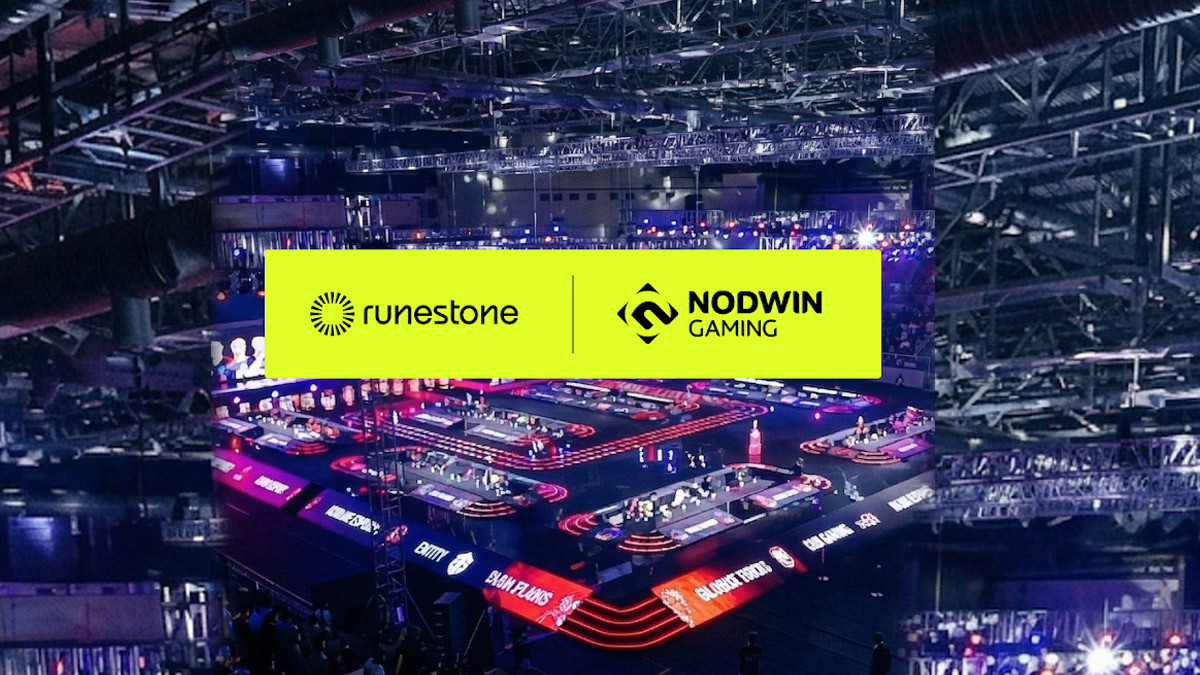
MUMBAI: Nodwin Gaming has just levelled up its game by bringing in a specialist to keep the scoreboard honest and the fans fully engaged. The leading South Asian esports and gaming company has announced a strategic partnership with Runestone, a Prague-headquartered esports technology firm specialising in real-time data and engagement solutions for tournament organisers and publishers.
The collaboration aims to strengthen competitive integrity, improve operational oversight, and deliver more interactive viewing experiences across Nodwin’s properties. It will initially focus on the Nodwin Clutch Series for Counter-Strike 2, a Tier 2 tournament that provides emerging teams with consistent competitive opportunities and helps build the talent pipeline.
The latest edition of the series recently concluded with Big defeating ECSTATIC 2–1 in the grand final of the $50,000 online event.
Nodwin Gaming chief business officer at MENA and global head of data monetization Teemu Koski said, “Integrity and transparency are fundamental to sustainable esports ecosystems, especially in Tier 2 competition where the next generation of talent emerges. Runestone’s expertise complements our experience in building scalable esports IPs.”
Runestone head of partnerships Michael Schwartz added, “Nodwin Gaming has built one of the most dynamic esports ecosystems across emerging markets. We’re thrilled to collaborate on supporting tournaments with greater transparency, deeper fan interaction, and scalable tools.”
Both companies are exploring opportunities to extend the partnership across additional titles, including mobile-first competitive ecosystems, and to develop new products for publishers, tournament operators, and event promoters.
In the rapidly growing world of esports, where fair play and fan excitement are equally crucial, Nodwin Gaming and Runestone are teaming up to ensure every match is not only competitive but also transparent and engaging. This alliance could well become a game-changer for Tier 2 tournaments across South Asia and beyond.