Cable TV
Andhra Pradesh CM writes to Arun Jaitley seeking 6-month extension on DAS Phase III

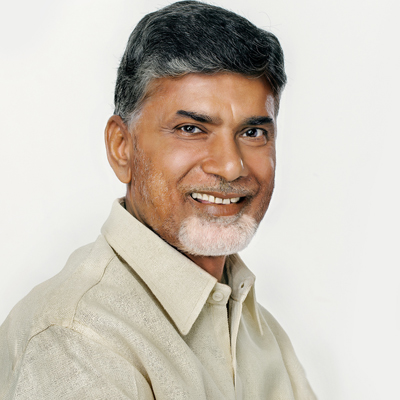
MUMBAI: With an aim to address the concerns of 800+ multi system operators (MSOs) and 9000+ local cable operators (LCOs) across 13 districts serving 1.3 million households in Andhra Pradesh, the state’s chief minister N. Chandrababu Naidu has written to the Information and Broadcasting minster Arun Jaitley seeking a six-month extension to the Digital Addressable System (DAS) Phase III deadline, which expired on 31 December, 2015.
The signed letter, a copy of which is with Indiantelevision.com, says, “Only a few MSOs have got Digital License, mainly due to to non-affordability of digital headends and lack of technical know-how. As a part of AP Fiber Grid AP Government envisages to support there MSOs/LCOs by setting up a multi-tenanted digital cable headend that can be utilised as, ‘Infrastructure as a Service & Platform as a service’ facilitating the operations to apply for digital MSO license and sustain their areas of operation. This will help a large number of operators/employees who are surviving on this industry directly and indirectly.”

The letter further adds, “In view of the initiative and the special situation in Andhra Pradesh, the commissioning of AP Fiber Grid is required to enable MSOs/LCOs to utilise this network infrastructure ad to partner with this project. As this model is going to be uniform among all operators interested in associating with Fiber Grid, the cable operators may not be willing/able to invest for STBs in advance to meet the present deadline. Hence, it is requested to consider extending the phase III Digitisation target date by six months beyond 31 December, 2015.
Highlighting the status of the AP Fiber Grid Project, Naidu further informed that:
. AP Government has initiated Fiber Grid project to digitise the households in Andhra Pradhesh through both aerial and underground optical fiber cable network.
. Work is in progress to lay 24 core ADSS optical fiber cable for a length of around 22000 kms over electrical poles. It is planned to complete this work by June 2016 under phase 1 of Fiber Grid. 2449 PoPs (Points of Presence) will be set up at identified electrical substantiations to house the electronics.
. Laying of underground Fiber for a length of around 60000 Kms will be taken up under Phase II in association with government of India.
. Dedicated Network Operations Center (NOC) equipped with all digital Headends providing Video (TV Channels, Data (Internet) and Voice (telephone) services also be commissioned by June 2016 facilitating all service providers to utilise the fiber grid with the model of infrastructure as a service & Platform as a Service.
. It is planned to enrol the LCOs as Last Mile Operators (LMOs) to provide services to households connecting to Fiber Grid PoPs (points of presence) through their existing network.
. The MSOs can be enrolled as ‘multi service providers,’ offering Internet and TV services by connecting to NOC of Fiber Grid and delivering through last mile operators.
At the time of filing this story, the AP CM’s office was yet to receive a reply to the letter from Jaitley.






Cable TV
Hathway Cable appoints Gurjeev Singh Kapoor as CEO
Leadership change comes as cable TV faces shrinking subscriber base and modest earnings pressure
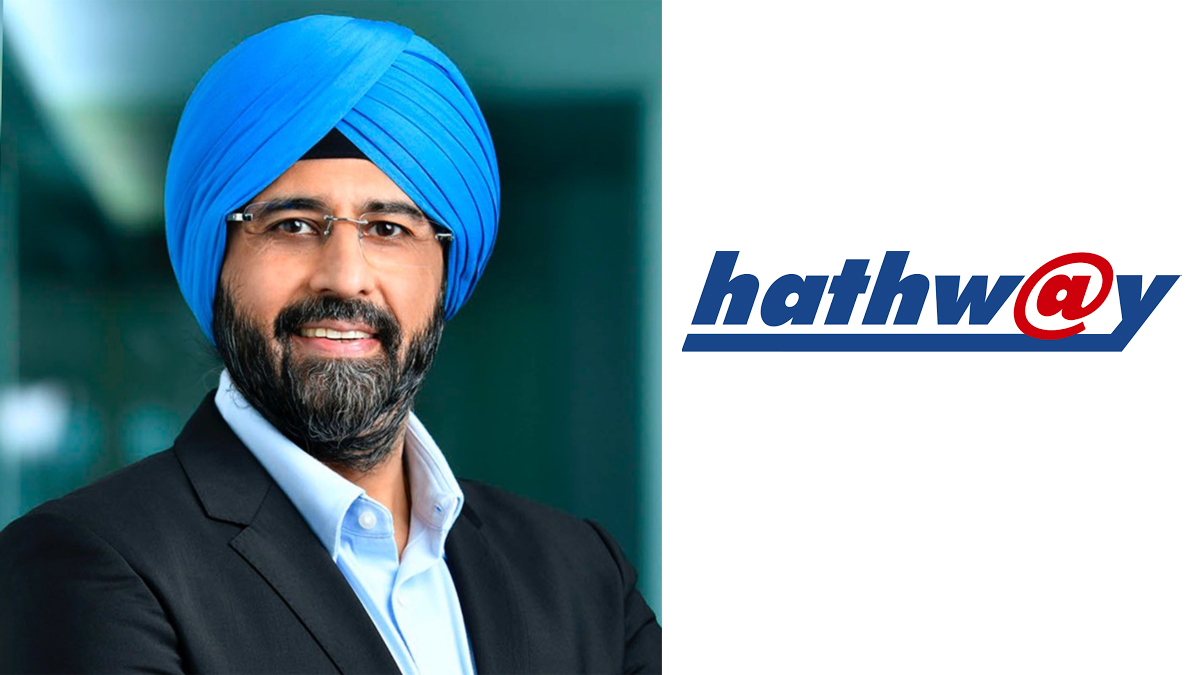
MUMBAI: Hathway Cable and Datacom has tapped industry veteran Gurjeev Singh Kapoor as chief executive officer, marking a leadership pivot at a time when India’s cable television business is under mounting strain.
Kapoor will take over from Tavinderjit Singh Panesar, who is set to retire in August after a long innings with the company. Panesar, chief executive since 2023, has held multiple leadership roles at Hathway, including his latest stint beginning in 2022.
Kapoor brings more than three decades of experience in media and entertainment. He most recently led distribution at The Walt Disney Company’s Star India business, now part of JioStar. His career spans television distribution and affiliate partnerships, with stints at Sony Pictures Networks India, Discovery Communications and Zee Entertainment.
Panesar, with over three decades in the industry, has worked across strategic planning, distribution and business development in media, broadcasting and manufacturing. His past associations include ESPN Star Sports, Star India, Apollo Tyres and JK Industries.
The transition lands as the cable sector grapples with structural disruption. Traditional operators are losing ground to streaming platforms, while telecom and broadband players tighten the squeeze with bundled offerings.
An EY report estimates India’s pay-TV base could shrink by a further 30 to 40 million households by 2030, taking the total down to 71 to 81 million. The slide follows a loss of nearly 40 million homes between 2018 and 2024, a contraction that has already wiped out more than 37,000 jobs in the local cable operator ecosystem.
Hathway’s numbers reflect the strain. The company reported a consolidated net profit of Rs 93 crore for FY25, down from Rs 99 crore a year earlier. Revenue inched up to Rs 2,040 crore from Rs 1,981 crore. As of December 2025, it had about 4.7 million cable TV subscribers and roughly 1.02 million broadband users.
Kapoor steps in with a familiar brief but a shrinking playbook. In a market where viewers are cutting cords faster than companies can reinvent them, the new chief executive inherits a business fighting to stay plugged in.







