News Broadcasting
ABU and Unesco ink deal for establishing branded AV section

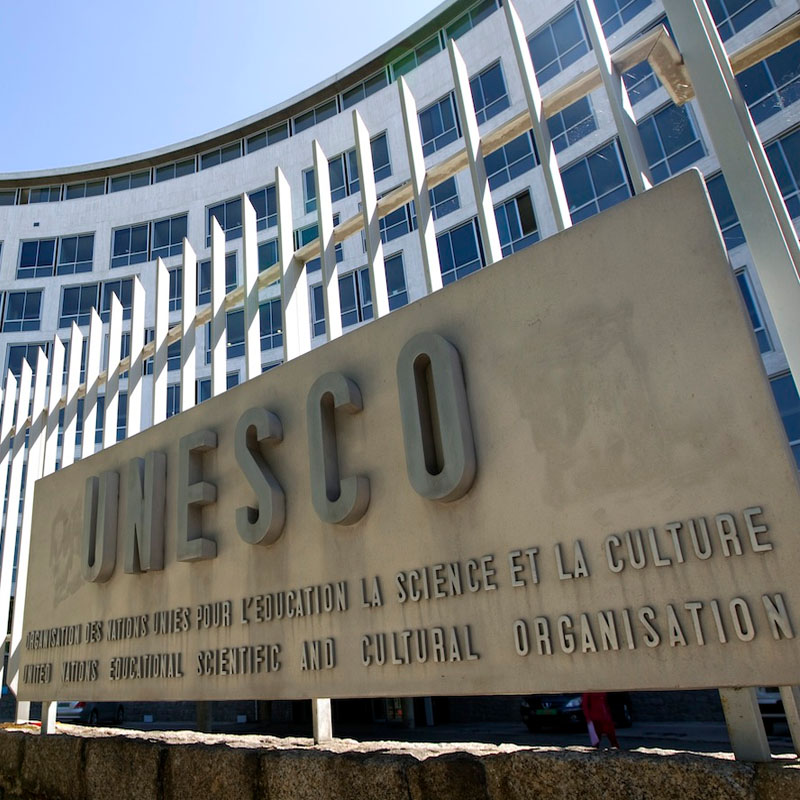
MUMBAI: The Asia-Pacific Broadcasting Union (ABU) and Unesco’s programme for creative content have announced a new partnership for the establishment of a branded section of audio visual content listings on Unescos Audio Visual E-Platform.
The ABU will work with its more than 102 member broadcast companies from across the Asia-Pacific region in identifying content suitable for exchange and promotion in the international market.
Unesco’s Audiovisual E-Platform provides global on-line contact between filmmakers, broadcasters and distribution outlets, enhancing the promotion and distribution of culturally diverse audiovisual content.

The E-Platform contains recently produced, innovative documentaries, short films and TV-magazines, which are original in form and content and go beyond conventional forms of filmmaking. Selected productions provide a genuine expression of different cultures, and are ready for on-line, full-length screening, which can be viewed at http://creativecontent.unesco.org.
The new ABU-Unesco partnership and call for entries fulfills both the objectives of Unesco in enhancing the promotion and distribution of culturally diverse audiovisual content as well as the responsibility of the ABU in supporting its member broadcasters and producers to gain greater visibility and interaction in the international market place.
“Unescos E-Platform is an important initiative for aiding television, film and documentary producers and provides a vehicle for promoting, marketing and exchanging content. It will help in providing access and visibility to producers and content that otherwise find it difficult to compete in international markets,” said ABU secretary general David Astley.
At a global level, broadcasters, distribution outlets and relevant institutions will be able to read about the work of producers and watch samples on-line before contacting the rights holders for acquisition.
Acquisitions, commercial transactions or negotiations will be done directly between the copyright holders and the persons interested in acquiring the content. While not acting as agent of any of the content listed on the E-Platform, Unesco and the ABU are committed to fostering respect for the copyright of Audio-visual works.
Unesco’s Audiovisual E-Platform is a highly secured platform designed for professionals in the film and television industry as a means of promotion and distribution of creative productions at local, regional and international levels. Unesco ensures the security and restriction of access.





News Broadcasting
CNN-News18 to host Fury in the Gulf conclave on West Asia crisis
Three-hour summit to unpack geopolitical fallout and impact on India
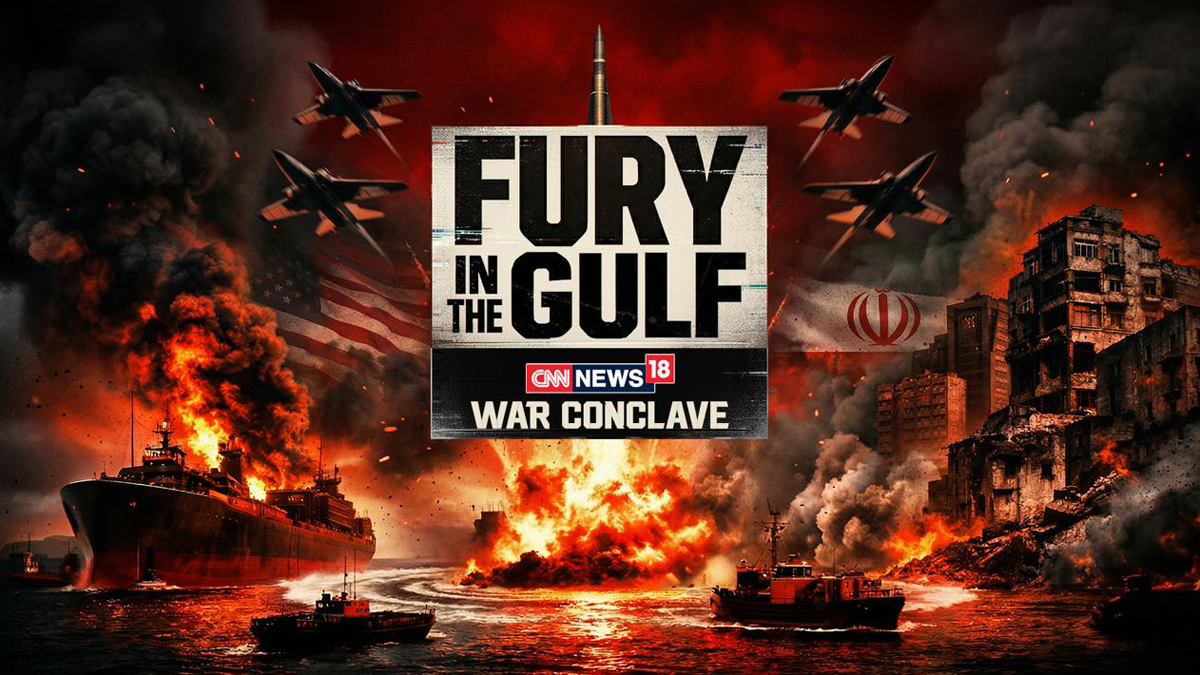
MUMBAI: CNN-News18 is set to host a special three-hour broadcast, Fury in the Gulf – War Conclave, on April 7, aiming to decode the escalating West Asia crisis and its far-reaching implications for India.
Scheduled from 4:00 PM to 7:00 PM, the conclave comes at a time when tensions between Iran and the United States are reshaping global geopolitics and triggering economic uncertainty. With India’s deep energy ties, trade links and large diaspora in the Gulf, the developments carry significant domestic relevance.
Built around the theme ‘Conflict, Consequences, and The Future,’ the programme will feature six curated sessions combining one-on-one interviews and panel discussions. The focus is to cut through the clutter and offer viewers a clearer understanding of the fast-evolving situation.
Key sessions include ‘Diplomacy in Times of War’ featuring Shashi Tharoor, and ‘World After the Iran Conflict’ with voices such as Ram Madhav, Reuven Azar, representatives from the European Union and the Iranian Deputy Envoy. Another session titled ‘Another Dunkirk?’ will bring together K. J. S. Dhillon and Jitin Prasada among others.
CNN-News18 editorial affairs director Rahul Shivshankar said, “In times of war, clarity becomes the most powerful tool. Fury in the Gulf – War Conclave brings together credible voices to address the questions and confusion that arise amid an overwhelming influx of information.”
He added that the initiative is aimed at delivering “facts, perspective, and insight” at a time when misinformation can easily cloud public understanding.
Echoing the sentiment, CNN-News18 CEO– English and business news Smriti Mehra said the conflict marks a defining global moment, with consequences that extend well beyond the region. She noted that the conclave seeks to present the crisis with “depth, nuance and responsibility” so audiences can better grasp its real-world impact.
As geopolitical tensions continue to dominate headlines, the conclave positions itself as an attempt to bring order to the noise, offering viewers a structured, insight-led look at a complex and rapidly shifting global situation.






