News Broadcasting
ABP Majha’s 7 wonders of Maharashtra

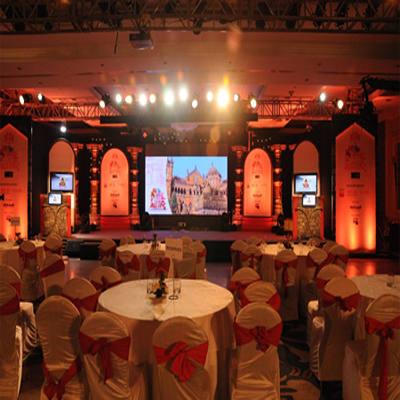
MUMBAI: It was late in the evening. The anchors Ashwin Bapat and Prajakta Dharmadhikari (those familiar with them will know them as ABP Majha news professionals) were ready in their Indian attire on stage which had an old world ambience, of times gone past, with magnificent golden heritage pillars bedecking it.
In the audience were chief guest, Maharashtra deputy chief minister Ajit Pawar and tourism minister Chhagan Bhujbal.
The occasion: Marathi news channel ABP Majha’s evening get together to unveil a programming initiative ‘7 wonders of Maharahtra’ as decided by a jury and ABP Majha viewers.

 |
|
Ajit Pawar and Rajiv Khandekar in conversation |
The locations in Maharashtra which made it to the list: The Ajanta Caves, Lonar Crater, Raigad Fort, Kas Plateau , Daulatabad Fort, Chhatrapati Shivaji Terminus and Global Pagoda.
Supported by Maharashtra Tourism, the initiative saw almost 2.2 million votes pouring in from TV viewers. And the prominent jury panel included big names like Asiatic Society’s president Aroon Tikekar, conservation architect Vikas Dilawari, MTDC (Maharashtra Tourism Development Corporation) MD Dr. Jagdish Patil, film actress and author Nishigandha Wad, heritage conservation committee chairman V Ranganathan, ABP Majha chief editor Rajiv Khandekar and archaeologist Arvind Jamkhedkar.
Speaking about the selection process jury member, archaeologist Jamkhedkar said, “60 locations were chosen by channel and out of that we had selected 14 locations for the audiences to vote upon. In my personal opinion, I feel that these kind of shows will certainly boost the Maharashtra tourism.”
“ABP Majha realises the rich heritage and culture of the state of Maharashtra. ‘7 Wonders of Maharashtra’ is a step forward to reinforce the belief of every Maharashtrian in their heritage. The state has a lot of wonders, but the ones who will make it to the list of top 7 wonders will be decided by a stringent process of selection by the eminent jury and citizens voting.”Added media content & communication services (MCCS) CEO Ashok Venkatramani, “The marketing team came up with the idea of this event. We are trying to do something different from other channels. Our idea has always been to link with the society in a better manner.”
 |
|
Ajit Pawar, Chhagan Bhujbal and Rajiv Khandekar |
“We have seen our share of viewing rising during events because ‘Majha is a Raja’, added MCCS chief revenue officer & COO Avinash Pandey.”
ABP Majha chief editor Rajiv Khandekar says a lot went into coming up with the 7 Wonders of Maharashtra concept. “We selected 350 places across the state and then we spoke to the experts from the districts and asked people, which place they would want to add in this list? Every day we were telecasting about the nominated places. Promos were constantly on air and we also telecast a thirty minutes special show. We have carried news capsules in our bulletin also.”
 |
|
From (L-R) Rajiv Khandekar, Dr. Jagdish Patil, Chhagan Bhujbal, Avinash Pandey and Ashok Venkatramani. |
The Marathi news channel already produces events like Majha Sanman Puruskar, Bappa Majha and Majha Maharashtra 20-20.




News Broadcasting
Kamlesh Singh receives Haldi Ghati Award from MMCF
India Today Group editor honoured for three decades of journalism at Udaipur ceremony.
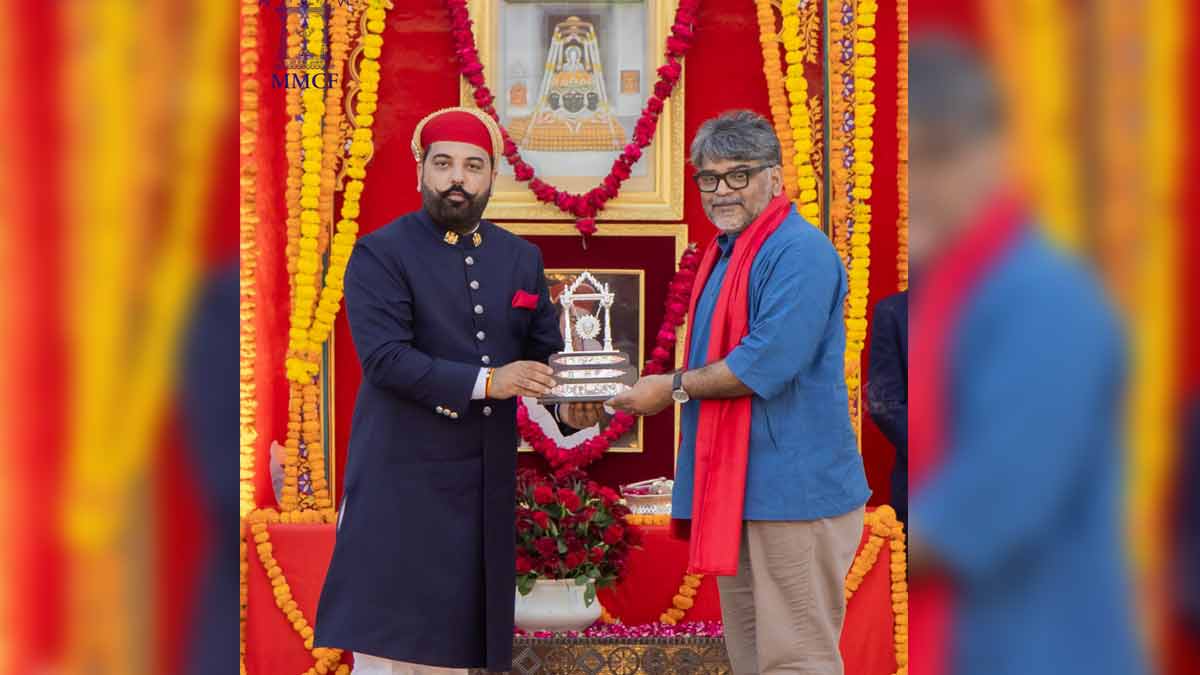
MUMBAI- Kamlesh Singh just turned a lifetime of sharp words into a shiny shield because when journalism wakes up a society, even the Maharana of Mewar wants to pin a medal on it.
The Maharana of Mewar Charitable Foundation (MMCF) conferred its prestigious Haldi Ghati Award on Kamlesh Singh, a senior editor at the India Today Group, during a ceremony in Udaipur on 15 March 2026. The national award, instituted in 1981-82, recognises “work of permanent value that initiates an awakening in society through the medium of journalism.”
Singh, who leads several editorial initiatives including Aaj Tak Radio, the Teen Taal community and The Lallantop, was presented the honour by Lakshyaraj Singh Mewar, Managing Trustee of MMCF. The citation highlighted his three decades of contributions to Indian media, innovations in digital journalism, mentoring young reporters, and his popular podcast persona “Tau” on Teen Taal, which fosters thoughtful public discourse.
The Haldi Ghati Award, named after the historic Battle of Haldighati symbolising valour and resilience, is one of four national awards given annually by MMCF. Past recipients include Tavleen Singh, Piyush Pandey and Raj Chengappa.
Other honourees this year included Padma Vibhushan Pt Hari Prasad Chaurasia, Vedamurti Devvrat Rekhe, Treeman of India Marimuthu Yoganathan, Vir Chakra Capt Rizwan Malik, and US-based researcher Molly Emma Aitken, who received the Colonel James Tod Award for contributions to understanding Mewar’s spirit and values.
In an era where headlines often shout louder than substance, the MMCF quietly reminded everyone that real journalism isn’t about noise, it’s about the quiet, persistent work that stirs society awake, one thoughtful story at a time.







