Gaming
A full house at the crease as E-Cricket signs 600-plus real-world stars

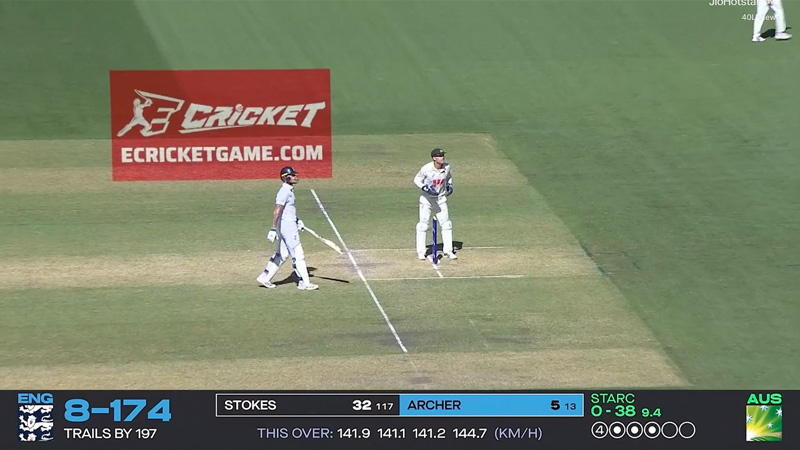
MUMBAI: Cricket gaming is about to get a lot more crowded in a good way. Lightfury Games has announced that its upcoming title E-Cricket will feature more than 600 officially licensed international players, making it one of the largest player rosters ever assembled for a cricket game and a first of this scale for an Indian studio.
The licensing has been secured in partnership with Winners Alliance, an athlete-centric commercial solutions firm that works closely with the World Cricketers’ Association. The deal allows LightFury to bring real-world cricketers into the game as fully playable characters, strengthening its ambition to blur the line between live cricket and virtual competition.
The roster spans major and emerging cricketing nations, including Australia, New Zealand, England, South Africa, West Indies, Afghanistan, Ireland, Zimbabwe, Namibia, Uganda, the USA, Canada, the Netherlands and Italy. Big international names such as Chris Gayle, Joe Root, Rashid Khan, Pat Cummins, Jos Buttler, Travis Head, Trent Boult, Quinton de Kock, Sikandar Raza and Andre Russell are all part of the line-up, with more players set to be added in future phases.

Each licensed cricketer will be recreated with individual player models, overall ratings, and data-driven attributes designed to mirror real-life strengths, tendencies and match impact. Rather than relying on static numbers, the game uses progressive performance systems, allowing players to evolve based on in-game situations and decisions.
Beyond the numbers, E-Cricket is being built with broadcast-style presentation, dynamic AI-led commentary and tactical batting and bowling systems, aiming to ensure that no two matches play out the same way. Built on Unreal Engine 5 and designed mobile-first, the title promises high-fidelity visuals and physics tailored for handheld play.
Currently in development and slated for release in 2026, E-Cricket has already generated strong buzz following its tech demo at GDC in early 2025. With a global roster, real-world authenticity and ambitions well beyond the boundary rope, LightFury Games is signalling that Indian studios are ready to play in the big leagues of global sports gaming.







Gaming
Interio by Godrej partners with FAU-G Bharat League 2.0 Finals
Furniture brand showcases ergonomic gaming chairs at major Mumbai esports event.
MUMBAI: Interio by Godrej has levelled up its game, this time by giving India’s competitive gamers a comfortable place to sit while they dominate the leaderboard. The leading furniture brand from Godrej Enterprises Group collaborated with Dot9 Games for the FAU-G Bharat League 2.0 Finals held in Mumbai. The offline tournament brought together over 100 competitive players for intense esports action.
As part of the partnership, Interio by Godrej showcased its specially designed ergonomic gaming chair, engineered to support long hours of gameplay with superior posture support, comfort, and overall wellbeing. Players got to experience the chairs first-hand during the high-intensity matches.
The event was graced by movie superstar and OG Khiladi Akshay Kumar, who felicitated the winners, adding star power and highlighting the growing mainstream appeal of esports in India.
Interio by Godrej head of marketing communications Reshu Saraf said the collaboration was driven by the evolving needs of India’s gaming community. “Players are investing significant time and skill into their setups. We wanted to show how thoughtful furniture design can enhance the overall gaming experience without compromising on comfort,” she noted.
Dot9 Games co-founder & CEO Deepak Ail added that comfort and physical wellbeing are becoming essential for sustained performance in competitive gaming. “Interio by Godrej’s gaming chairs added real value to the experience at the finals,” he said.
Beyond the event, Interio extended exclusive discounts on the gaming chairs to FAU-G players across its database to improve accessibility for the community.
This partnership reflects Interio by Godrej’s strategy to design products that respond to modern lifestyle shifts while strengthening its presence in India’s fast-growing esports ecosystem.
When gamers spend hours locked in battle, the right chair can mean the difference between victory and back pain. Interio by Godrej has clearly understood the assignment and delivered a comfortable win for players and the brand alike.






