News Broadcasting
71% Indians trust their news sources, survey reveals

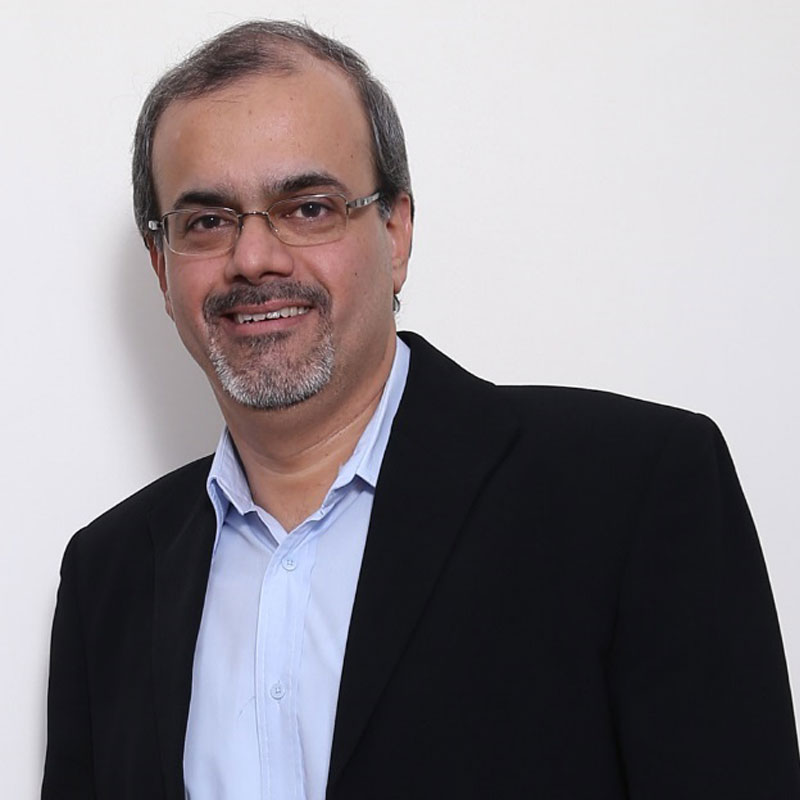
KOLKATA: According to the global survey by The Trust Project and Ipsos titled ‘Trust Misplaced?’, 71 per cent urban Indians and 64 per cent global citizens believe they have easy access to news from sources they trust. At least six in 10 urban Indians (59 per cent) say they read news they can access for free. 67 per cent global citizens hold this view.
“Media entities are highly evolved in India. There are trusted sources for news; media houses that come with ethos and values and have built reputations over many decades of news dissemination, beating the odds. Further, Indians look at various sources for news and free news is readily accessible across social platforms and digitally. Now news can be accessed at a mere click and it has become easier to stay updated, going beyond the conventional sources,” Ipsos India CEO Amit Adarkar said.
Fake news and trust:

Interestingly, more number of Indians say they can tell real news from fake news – at 60 per cent believe this; but they have less confidence in the ability of people in general to be able to spot real news from fake – only 47 per cent urban Indians believed they could.
Indians say they pay for news from sources they trust (57 per cent) and are willing to pay for news from the sources they trust (56 per cent).
The survey also shows that urban Indians are skeptical of news disseminated by influencers, bloggers, leaders, celebrities on social media – they tend to trust news shared by people they personally know – more so from friends and relatives (58 per cent) as opposed to news shared by bloggers, celebrities, leaders (48 per cent) on social media. Global citizens are more circumspect in news consumption – four in 10 (42 per cent) will trust people known personally, while only one in four (24 per cent) will trust news shared by bloggers, celebrities, and leaders.
Global citizens (46 per cent) and urban Indians (54 per cent) believe their citizens are targeted by other countries with disinformation and fake news.
“Disinformation and fake news can lead to discord and incite citizens and are in poor taste; sadly, a number of countries face it. Legal action can act as a deterrent,” added Adarkar.
Where is news read most?
One thing is clear, Indians are globally one of the largest consumers of news. Conventional media vehicles and new ones are all leveraged for staying updated.
Daily news is accessed most via TV (78 per cent), social media (77 per cent), news apps (64 per cent), news sites (57 per cent), print – newspapers and magazines (56 per cent), and radio (23 per cent).
Notably, India has the world’s largest number of those accessing daily news via print.
And TV for daily news is very popular in Japan (76 per cent), Italy (74 per cent) and Turkey (73 per cent).
“News is accessed from multiple sources to stay updated. Some news is accessed on the go, some read for finer nuances and some watched to further get the perspective. It is not about one over the other. Each has its own place in the consumer’s information needs, in times of instant gratification,” said Adarkar.
Online adverts – few takers
One in three global citizens (35 per cent) and two in five (42 per cent) urban Indians say they use software or apps that block online adverts. Global citizens (66 per cent) and urban Indians (69 per cent) say they try and avoid online adverts as far as possible.





News Broadcasting
CNN-News18 to host Fury in the Gulf conclave on West Asia crisis
Three-hour summit to unpack geopolitical fallout and impact on India
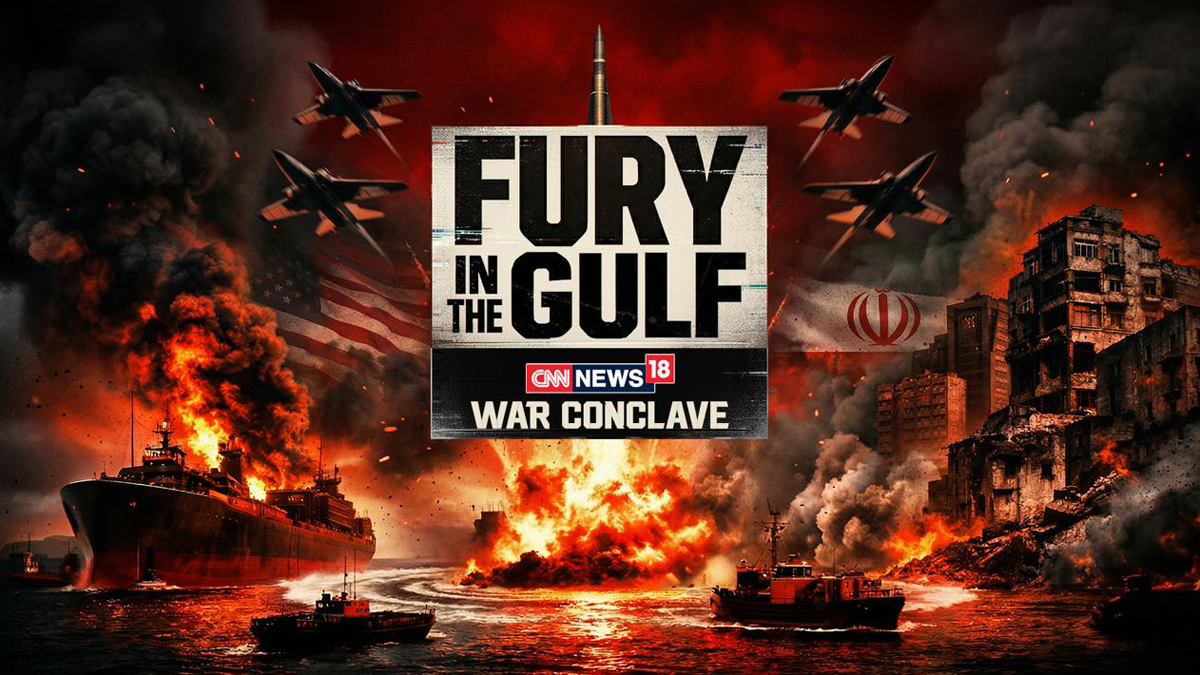
MUMBAI: CNN-News18 is set to host a special three-hour broadcast, Fury in the Gulf – War Conclave, on April 7, aiming to decode the escalating West Asia crisis and its far-reaching implications for India.
Scheduled from 4:00 PM to 7:00 PM, the conclave comes at a time when tensions between Iran and the United States are reshaping global geopolitics and triggering economic uncertainty. With India’s deep energy ties, trade links and large diaspora in the Gulf, the developments carry significant domestic relevance.
Built around the theme ‘Conflict, Consequences, and The Future,’ the programme will feature six curated sessions combining one-on-one interviews and panel discussions. The focus is to cut through the clutter and offer viewers a clearer understanding of the fast-evolving situation.
Key sessions include ‘Diplomacy in Times of War’ featuring Shashi Tharoor, and ‘World After the Iran Conflict’ with voices such as Ram Madhav, Reuven Azar, representatives from the European Union and the Iranian Deputy Envoy. Another session titled ‘Another Dunkirk?’ will bring together K. J. S. Dhillon and Jitin Prasada among others.
CNN-News18 editorial affairs director Rahul Shivshankar said, “In times of war, clarity becomes the most powerful tool. Fury in the Gulf – War Conclave brings together credible voices to address the questions and confusion that arise amid an overwhelming influx of information.”
He added that the initiative is aimed at delivering “facts, perspective, and insight” at a time when misinformation can easily cloud public understanding.
Echoing the sentiment, CNN-News18 CEO– English and business news Smriti Mehra said the conflict marks a defining global moment, with consequences that extend well beyond the region. She noted that the conclave seeks to present the crisis with “depth, nuance and responsibility” so audiences can better grasp its real-world impact.
As geopolitical tensions continue to dominate headlines, the conclave positions itself as an attempt to bring order to the noise, offering viewers a structured, insight-led look at a complex and rapidly shifting global situation.






