iWorld
70-80% of ALTBalaji traffic from telco tie-ups: Sunil Lulla

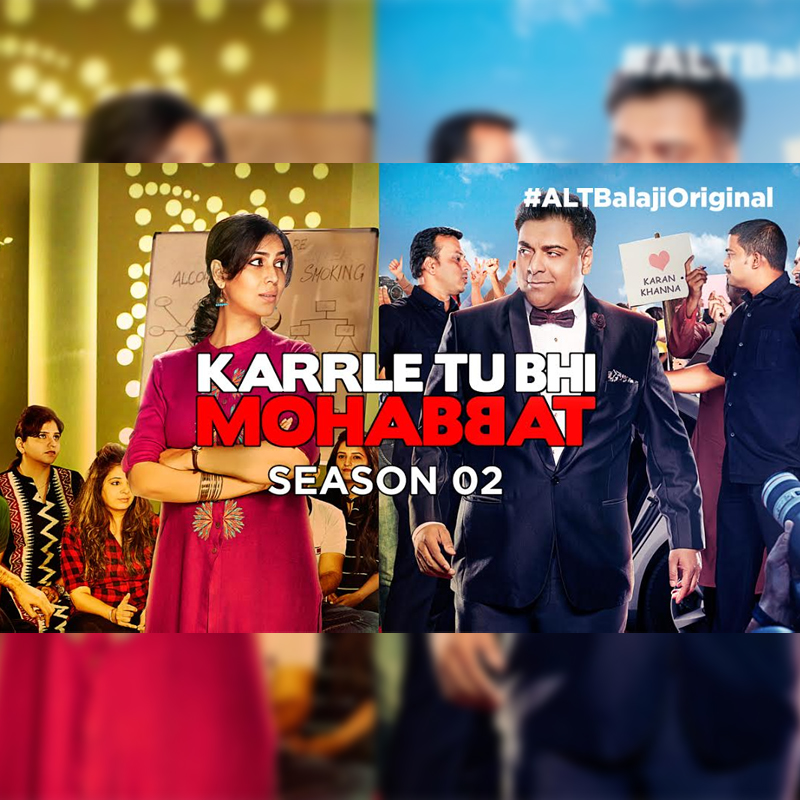
MUMBAI: Balaji Telefilms recently posted Q1 result where the TV business revenue remained flat while the digital venture ALTBalaji showed impressive result by acquiring 2.1 million new paid users excluding Reliance Jio platform users. For OTT platforms in India, telco deals have become important and ALTBalaji is not an exception. Balaji Telefilms Ltd group CEO Sunil Lulla said in an earnings call that about 70-80 per cent of traffic comes from telcos while the ARPU from the sector stands around Rs 15 per month. The company started telco deals last November with Vodafone following up with Jio and Airtel.
“In terms of value it will be between 60 per cent and 70 per cent because the ARPU that we are getting through the non-telco, that is the direct downloads, is about Rs 25 a month and the ARPU we are getting from the telco business around Rs 15 a month,” Lulla commented. However, he denied revealing the churn rate on telcos.
Along with good subscription growth, ALTBalaji’s revenue also picked pace reaching Rs 5.8 crore in Q1. The revenue without the impact of IND-AS 115 stood at Rs 7.1 crore. Currently, the platform has 21 original shows excluding kids content and comedy clips. Though the initial focus of the platform has been on creating Hindi dramas, the platform will add a Bhojpuri show to its regional content mix. To increase its appeal to Tamil audience, a market which has potential, it felt the need to create a reasonable library in the language. But until reaching the target of 30 shows, the team is not going to fully focus on Tamil library.

“Right now Tamil, Telugu, and Malayalam continue to be dubbed. Our real question is to get Tamil content onto our platform. We need to probably have a full fledged Tamil focus for which we will be able to create bandwidth only by October, November and December this year, which means the show will appear next financial year,” ALTBalaji CEO Nachiket Pantvaidya commented. “Bengali viewing audience or Marathi viewing audience can understand Hindi so we need to create that library of 10 to 15 shows and then enter the South market originally. Meanwhile, we do continue to have a dubbed presence in these markets,” he added.
In an astute move ,Ekta Kapoor led production house this year retained the IP of the show Dil Hi To Hain reversing the industry norm. While the broadcasting right is with Sony, it can stream the show on ALTBalaji also. Regarding whether Sony pays less than competition, Lulla disagreed. He added further that each show has its own price rather than a standard half an hour rate card depending on the production quality and star cast. Explaining the detail, he reaffirmed there has been no loss of revenue because of this digital right.
While the TV production revenue remained flat across the last two quarters, three new show launches across broadcasters has been cited as the prime reason. For the very first time, the production house launched three shows in one month gaining the highest share post the IPL launch phase. “We have to incur costs in the beginning phase. This will definitely get dephased,” Lulla said confidently. Along with acquiring consumers for the digital platform and create a stable movie business, the company wants to ensure that the television business continues to ace the pack. It also hopes revenue will go up in the next quarters.
“Our focus obviously is on a good value pricing and which is why the television business is very important to us as much as the OTT business is strong on investment because we are in different cycles. The OTT business is in early stage growth and it will see galloping stage growth and maturity is really far away, so we would have got many, many years ahead of it,” Lulla said later.





e-commerce
Instamart gold dig event at Hussain Sagar goes viral
Hyderabad activation ties to gold price lock offer ahead of Akshaya Tritiya
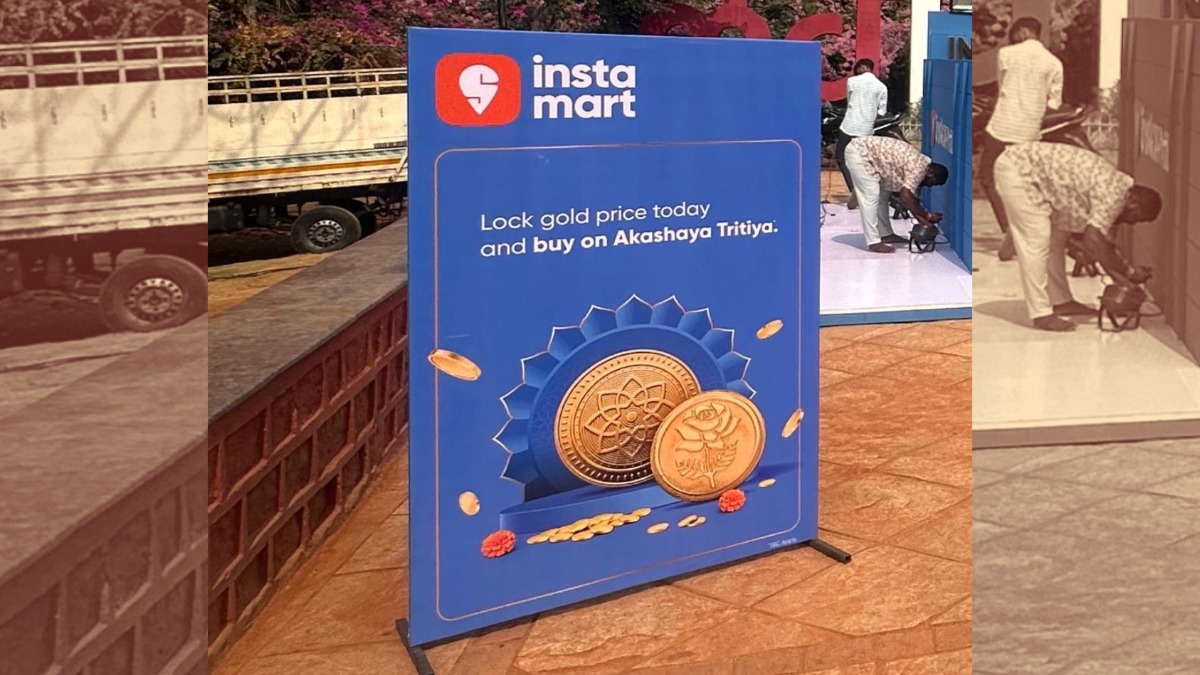
MUMBAI: All that glitters isn’t just gold, it’s also great marketing. A quirky on-ground activation by Instamart at Hussain Sagar Lake has turned into a viral spectacle, with videos of people digging for gold coins flooding social media feeds this week. The campaign, executed in collaboration with Moms, transformed a patch of the city’s iconic lakefront into what online users quickly dubbed a “mini gold rush”. Armed with spades, participants dug through a mud-filled pit in search of hidden gold coins, an activity that drew crowds, cameras and plenty of commentary online, ranging from amused disbelief to outright fascination.
At the heart of the frenzy was a promotional push for Instamart’s ‘Gold Price Lock’ feature, which allows users to secure prevailing gold rates between April 10 and April 16 and complete their purchase later during Akshaya Tritiya, a period traditionally associated with high gold buying. The mechanic cleverly blended physical participation with digital conversion, turning curiosity into a potential transaction.
Branded as ‘Gold Diggers’, the activation leaned into gamified engagement. Those who struck lucky walked away with coins, those who didn’t were nudged with a simple message: lock the price now, buy later. The result was a steady stream of footfall and a surge in user-generated content, as onlookers and participants alike documented the spectacle.
The timing is significant. India remains one of the world’s largest consumers of gold, with demand peaking around Akshaya Tritiya. Data from the World Gold Council suggests the festival alone accounts for roughly 25–30 tonnes of gold purchases annually, making it a high-stakes window for brands looking to tap into consumer sentiment.
As the ‘Gold Price Lock’ feature remains live until April 16, the campaign has already done its job turning a simple product feature into a citywide moment. Because sometimes, the quickest way to get people talking about gold isn’t to sell it, it’s to make them dig for it.