Gaming
30,000+ people attended India’s creator fest ‘Stanfest2024’

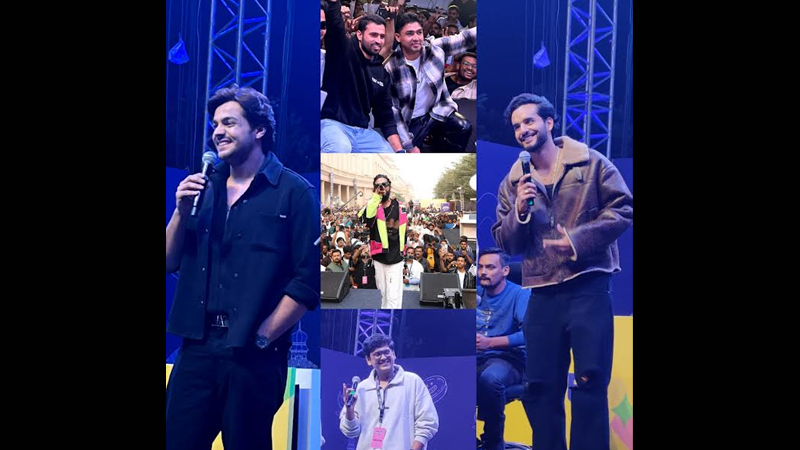
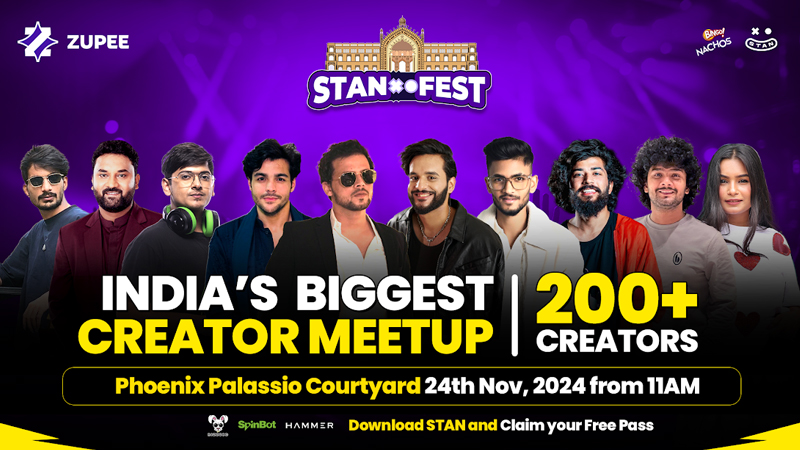
Mumbai: Stan platform organised “Stanfest 2024” on 24 November in Phoenix Palassio mall, bringing together India’s top 200+ creators, 30,000+ attendees, gaming enthusiasts, and fans in a one-of-a-kind gaming and creator event.
The event witnessed top creators and their die-hard fans (Stans), concluding on a high note and making Lucknow the new star in the gaming industry. The Stanfest witnessed a footfall of 30,000+ Fans and brought together top creators and gaming enthusiasts under one roof creating a sense of excitement. Among the key highlights was the participation of popular gaming and lifestyle creators and social media influencers, like Ashish Chanchalani, Fukra Insaan, Round2Hell, UK07 Rider, Mortal, Anurag Dwivedi, Shayar, Chill Gamer, Achanak Bhayanak Gaming and many gaming influencers, and more.
At Stanfest, CEO Parth Chadha revealed that the platform has now empowered over 500,000 creators. He also highlighted that the app’s early monetization features have enabled creators to collectively earn over $1 million in just the past six months. Stan is quickly establishing itself as a leading force in driving innovation and growth within the creator economy.

The event enabled the fans to meet their favourite creators, interact, capture moments and create unforgettable memories. It also offered Esports LAN tournaments, gaming awards, live music shows and other performances. The Cosplay section showcased award-winning artists bringing gaming characters to life. The crowd enjoyed a rousing live music performance bringing the night to a close.
“Engaging with such an enthusiastic and vibrant audience was an absolute thrill! I’m truly grateful for the warm welcome in Lucknow. I would like to thank the STAN team for making this experience unforgettable. Seeing all fans together is always an amazing experience. Looking forward to more moments like this!”says Ashish Chanchlani.
Different arenas with interactive experiences were enabled during the fest including custom games in BGMI and Free Fire and other mini games and a club-style gaming experience were also available. The event was full of fun and excitement, with activities like meet-and-greet sessions and mini-games. Participants could win prizes worth Rs 25 lakh, including big rewards like a Royal Enfield Bullet and a Mahindra Thar.
Speaking about the event, the co-founder & COO Nauman Mulla said, “ It was indeed a pleasure to receive so much love from Lucknow. We are elated to share that we have organised India’s biggest creator meet up in India with 200 + creators that has never been seen before in India but we finally made it happen . Stanfest is a major milestone for us, bringing together the brightest creators in a way that reflects the rapid growth of our community. This has been the largest yet, and we’re excited to introduce new experiences that will set the tone for the future of gaming and content creation in India.”

Gaming
Konami concludes successful eFootball India campaign
Campaign featuring Rinku Singh, Varun Chakravarthy and other stars boosts engagement ahead of FIFA World Cup 2026.
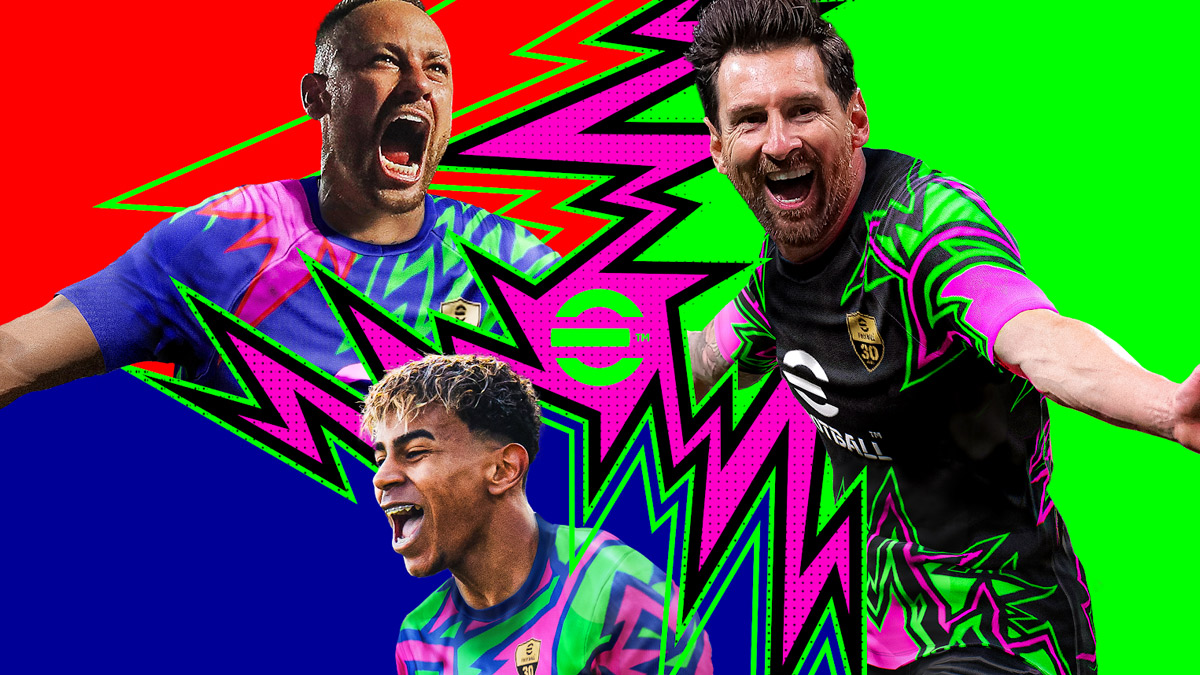
MUMBAI: When cricket meets football in the virtual world, even the biggest fans can’t help but score and Konami’s latest eFootball campaign in India has clearly hit the back of the net. Konami Digital Entertainment has successfully wrapped up its India campaign for eFootball, which brought together cricketers Rinku Singh and Varun Chakravarthy, actors Naslen Gafoor and Chandu Salim Kumar, and footballers Sahal Abdul Samad and Shubhasish Bose. The multi-star campaign generated strong excitement across gaming, football, and creator communities through social content, fan participation, and in-game engagement.
Building on the initial launch that featured a limited-time Lionel Messi card, the campaign united fan communities, lifestyle creators, football creators, and competitive eFootball influencers. It significantly expanded the game’s visibility and deepened engagement with fans across the country.
The campaign also saw thousands of entries submitted as part of its social media engagement challenge, reflecting high levels of community enthusiasm and active creator involvement.
Looking ahead, Konami plans to build on this momentum with more eFootball experiences for Indian fans as the FIFA World Cup 2026 approaches. With global attention on the tournament set to rise, India will remain a key market for deepening community engagement and bringing fans closer to the action.
In a country that lives and breathes sport, Konami has shown that mixing real-world stars with virtual thrills is a winning formula leaving fans eagerly waiting for the next goal.






