Animation
20 years later, ‘The Powerpuff Girls’ still breaking stereotypes

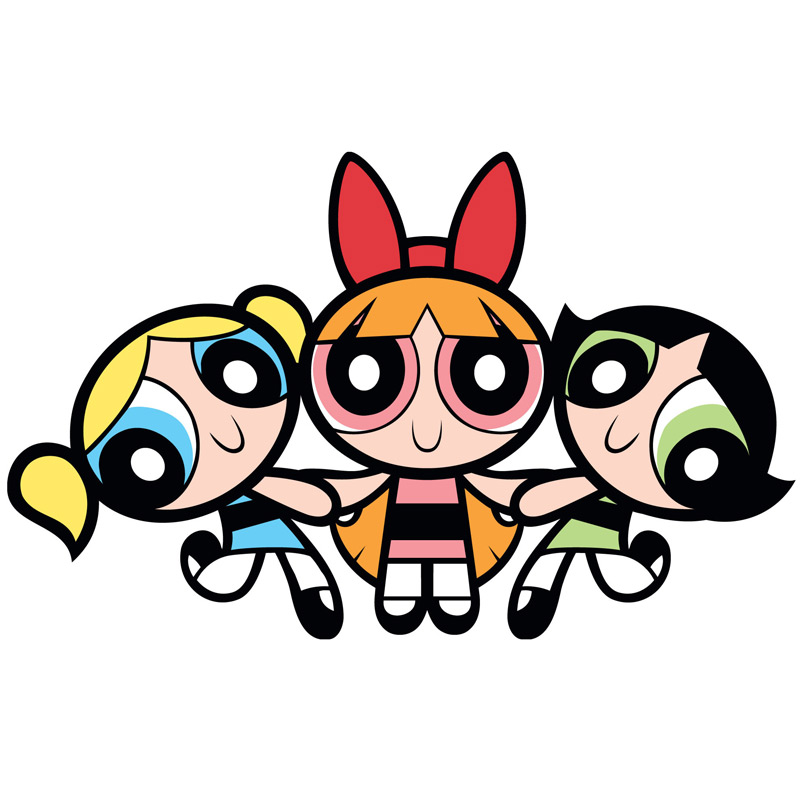
MUMBAI: Home-grown animation is finally finding its way to Indian kids’ TV channels but the fact remains that most of the cartoons are predominantly male-oriented. Whether it is a storyline revolving around boys or about a male protagonist, the number of stories about girls is limited. Indian channels are replete with examples such as Chhota Bheem, Pokemon, Doraemon, and Popeye (wherein Olive Oyl is constantly in the need of being rescued).
One show, which has been the bastion of Cartoon Network (CN) for more than two decades, is The Powerpuff Girls. Produced by Cartoon Network Studios with Nick Jennings as executive producer and Bob Boyle as co-executive producer; it has earned more than $2.5 billion in retail sales in its lifetime. The cartoon was dubbed in various languages such as Japanese, Korean, Brazilian Portuguese, European Portuguese, Finnish and Danish.
It was in 1995 when the heroic girls got their first animation showcase on a programme called What a Cartoon! Only in 1998 did The Powerpuff Girls get taken seriously with the final episode concluding on 25 March 2005. Blossom, Bubbles and Buttercup weren’t merely cartoons but an image of women empowerment to every girl on the planet. The popularity soared among girls who could finally connect with avatars that represented their inner ambitions of making the world a better place.

Come February, the network is celebrating its 20th anniversary with the global rollout of new episodes, events and products that will continue till 2019. The fourth sister, Bliss, will also return throughout the year.
In most shows around that time, and even now, male characters were given the more masculine qualities like strength, valour, courage and the tag of being the ‘rescuer’ while the females were restricted to roles of the humble daughter or girlfriend or a side character (Misty in Pokemon, Shizuka in Doraemon). The transformed world hasn’t impacted these characters from being named as ‘all-time favourites’. The vast differences in the personality traits between the strong, funny, deceitful, greedy, smart, charming male characters against the humble, soft-spoken, dependent female characters frame the plot of these shows.
Today efforts are being made to show female characters without the sexism implicit of earlier times. The cases in point are Merida from Brave, Princess Elsa from Frozen and Princess Riley from Inside Out. Kim Possible was also a groundbreaking show aired in 2002-2007 that showed the life and adventures of a teenage girl.
Kids imitate what they see and especially characters they fall in love with. These early-age behaviours mould their adulthood as well, making it a strong case for producers to create a balance and indulge in enforced role-reversal.
Also Read:
NICK & Motu-Patlu films most watched kids channel & programme in BARC week 13







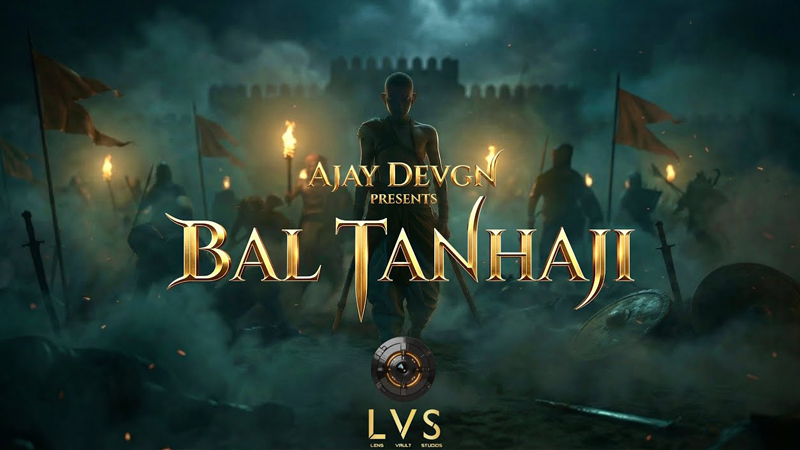
MUMBAI: History is getting a fresh rewrite this time with code, creativity and a longer arc in mind. Lens Vault Studios has announced its first original production, Bal Tanhaji, marking the official entry of the newly launched, tech-driven studio into India’s evolving entertainment landscape.
Arriving six years after the box-office success of Tanhaji: The Unsung Warrior, the new project expands the universe rather than revisiting familiar ground. Bal Tanhaji explores uncharted narrative territory, signalling a clear shift from one-off cinematic spectacles to long-format, world-building storytelling designed for digital-first audiences.
At the heart of this ambition is Prismix Studios, the in-house generative AI and technology arm powering the creative engine behind the show. The studio’s approach blends storytelling with next-generation tools, aiming to reimagine how Indian IPs are created, scaled and sustained beyond theatrical releases.
For Lens Vault Studios chairman Ajay Devgn the new venture represents a deliberate step beyond traditional cinema. The focus is firmly on building long-form intellectual properties across fiction and non-fiction, tailored to changing viewing habits and platform-led consumption. He said the studio intends to explore formats that remain largely untapped, while drawing on the team’s experience with large-scale cinematic storytelling.
Lens Vault Studios founder and CEO Danish Devgn echoed that sentiment, describing Bal Tanhaji as the studio’s first generative-AI-led IP and the starting point of a broader vision. The aim, he noted, is to carry forward the legacy of the Tanhaji universe while connecting with younger audiences through a blend of powerful narratives and emerging technologies.
With Bal Tanhaji, Lens Vault Studios is planting its flag early not just launching a show, but signalling a larger play for cinematic universes that live, grow and evolve across platforms. If this debut is any indication, the future of Indian storytelling may be as much about imagination as it is about innovation.






