Education
10 Most Stylish Beards From Movies

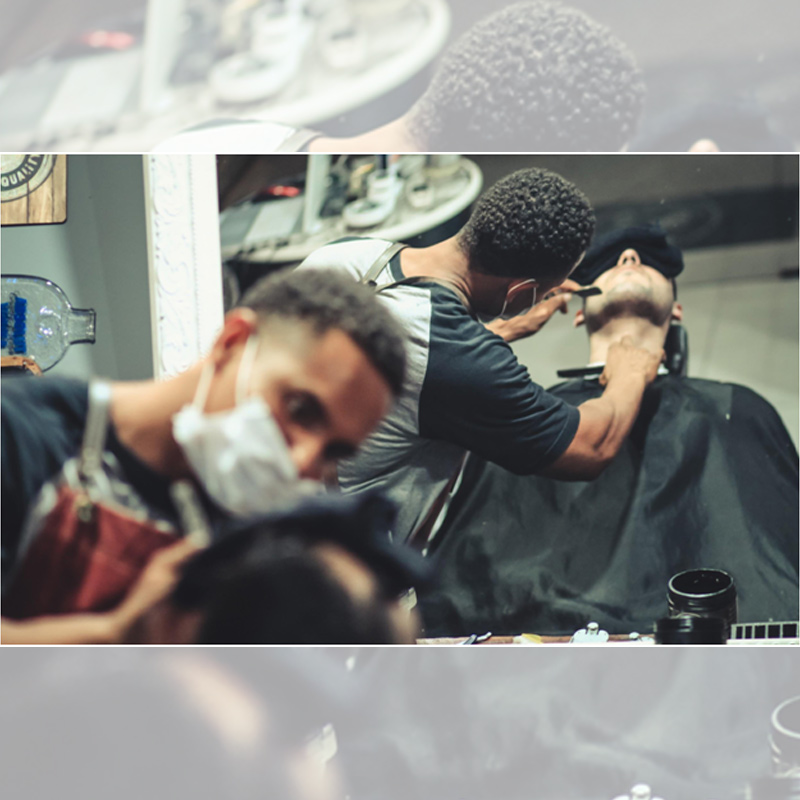
In the latest years, people tend to take as a lifestyle example actors from different movies they like. Maybe a woman wants to dress like her favourite actress, or a man wants to drive the same car as his favourite race driver from movies.
In this article, we’re gonna show you 15 most stylish beards from movies. Beards are on trend this year, aren’t they? And actor’s stylists seem to have lots of talent exposed in the latest movies.
It’s not a secret that beards have become the main accessory men wear nowadays. There are so many beard styles around, that they can simply choose the perfect one for them, adapted to the face shape, color and length.

From goatee to van dyke or long beards, all of those styles are unique, yet special. But when you think about growing a beard, you don’t have to think just about the style: it’s the patience to let it grow and the ability to maintain it in a clear shape.
Let’s see how talented were the actor’s groomers and what beard styles they adopted in your favourite movies. Enjoy!
1. Tony Stark’s Goatee
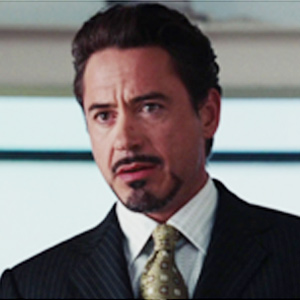
Tony Stark’s Goatee beard style he adopted for the Iron Man movie has become iconic. As a powerful undercover hero in the movie, Tony Stark reveals his identity, as Iron Man, the superhero who wants to protect the world.
The goatee style provides a solid facial-hair option for both men who struggle to grow a full beard and those with rounder or less sculpted faces.It simply adds definition and balance to your face shape.
2. Lou Ferrigno’s beard
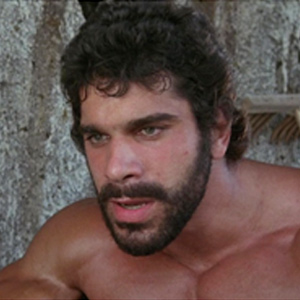
Lou Ferrigno, the character from Hercules, had probably one of the most powerful, masculine beard styles we’ve ever seen. Being a combination between long beard and goatee, it perfectly fit Lou’s face and gave him the aggressive allure that he needed to perfectly play his role.
3. The Godfather’s moustache
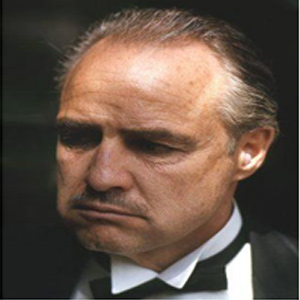
Mr. Corleone’s moustache is probably one of the most famous ones in the world. For sure, you need some sophisticated barber tools to achieve that moustache. So symbolically, Vito Corleone’s moustache from “The Godfather” marked the transition from a small-time crook to a big-time player in the dangerous affairs field. That moustache is one of a billion brilliant details in one of the greatest films ever made. If you haven’t seen The Godfather yet and you feel like needing to see some adventure, it’s time to turn on the TV.
4. Bradley Cooper’s beard
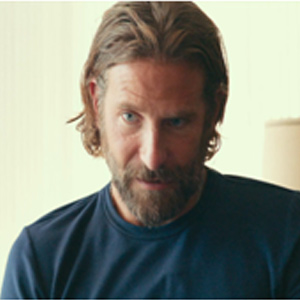
This is by far my favorite movie character in the latest years. So emotional and complex, Jack, the character played by Bradley cooper, has impressed the world with how natural everything came in the movie. A messy man like him couldn’t wear a different beard style than a messy one. Probably that messy, long beard is the one that built the perfect portrait of a real artist who can steal a singer’s heart so easily, isn’t it?
5. Lucifer’s short beard
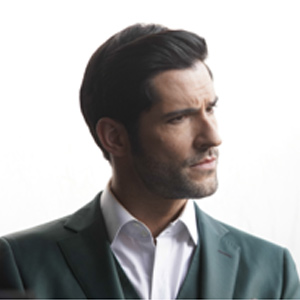
Tom Ellis, the “devil” who gave up to hell in order to move to Los Angeles where he managed to open his own business, wears in the series a short beard style, giving him a very serious, businessy look.
6. Zac Efron’s beard
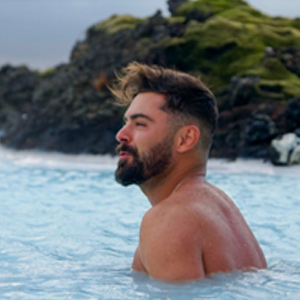
In “Down to Earth”, Zac Efron journeys to different countries with wellness expert Darin Olien in search of healthy ways to live. Despite the “baby boy look” everybody met Zac in the Disney’s representations, Zac Efron comes back in this series with a mature, masculine look. Is it because of its fresh trimmed beard? Maybe, but for sure it is also because Zac really grew up…
7. Vin Diesel’s beard
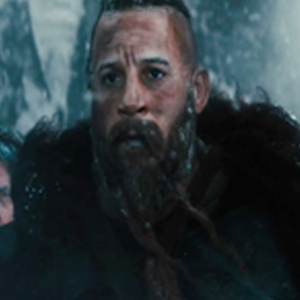
Who could ever imagine Vin Diesel with some kind of hair? But it is true! In “The last witch hunter”, Vin Diesel grew a full beard that made him unrecognizable. For a story split between reality and fiction, it was obvious that something as unusual as seeing him with facial hair had to happen… 🙂
8. Jason Statham’s beard
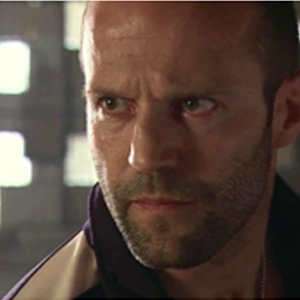
Jason is a classic: bald, with his stubble beard, he has a universal style, no matter the movie he’s playing in. In the 2006 movie, “Crank”, the hitman named Chev Chelios works for a crime syndicate led by "Carlito". Chelios (Jason Statham) is contracted by Carlito to kill mafia boss Don Kim and apparently he did, but after that, the adventure begins.
9. Dwayne Johnson’s beard
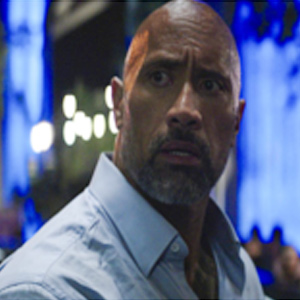
In “Skyscraper”, also a well known bald actor, Dwayne, appeared with a modern look: bald, but wearing a beard. It became a trend in the latest years, but for sure the FBI agent appeared as being just too busy to cut off his beard.
10. Leonardo Dicaprio's beard
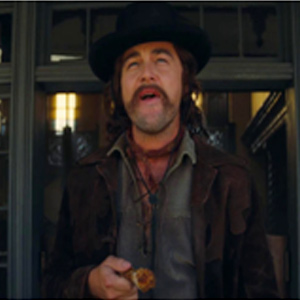
In “Once upon a time in Hollywood”, Leonardo Di Caprio had probably the most funny beard he ever wore. A messy stubble with a long moustache, probably Leonardo had fun himself seeing that cowboy look on his face. For sure, the stylist reinvented the 2019’s Hollywood style with that look.


Education
Abhishek Singh appointed director general of National Testing Agency
Technocrat with deep roots in India’s digital infrastructure push takes charge of the exam body that has faced intense scrutiny
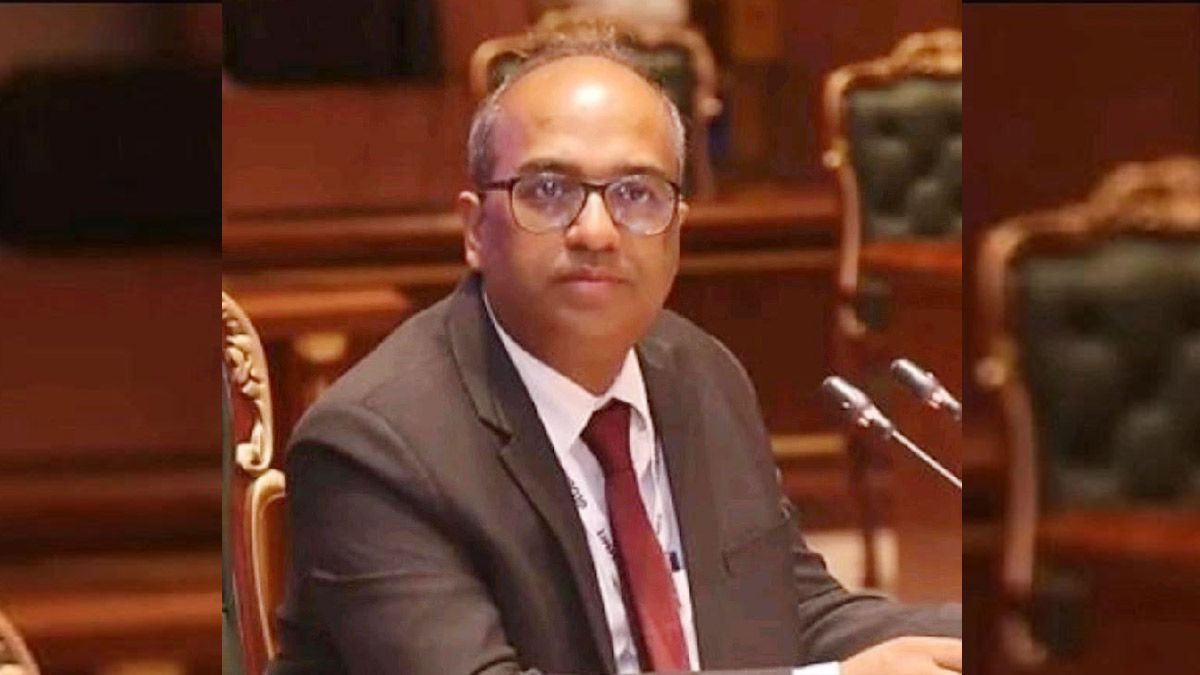
NEW DELHI: India’s beleaguered examination authority has a new boss. Abhishek Singh, currently director general of the National Informatics Centre (NIC), has been appointed director general of the National Testing Agency (NTA), which sits under the Ministry of Education. In a signal of just how seriously the government is treating the role, the post has been temporarily upgraded to the rank and pay of secretary to the government of India.
Singh is not your typical bureaucrat shuffled sideways into a troubled institution. At the NIC, he also held additional charge as additional secretary in the Ministry of Electronics and Information Technology (MeitY), overseeing artificial intelligence, emerging technologies and the Digital India Bhashini division, while simultaneously serving as chief executive of the India AI Mission. That is a formidable technology portfolio by any measure.
His CV reads like a guided tour of India’s digital public infrastructure. He served as president and chief executive of the National e-Governance Division, managing director and chief executive of Digital India Corporation, chief executive of Karmayogi Bharat, and chief executive of MyGov between 2019 and 2024. Before that, from 2014 to 2017, he was executive director at the Food Corporation of India, where he handled information technology, engineering, storage and, additionally, the North Zone operations and the role of chief vigilance officer.
His field credentials are equally robust. Singh has served in both Nagaland and Uttar Pradesh across multiple tenures, navigating law and order, floods, droughts and communal tensions with equal measure. As principal secretary to the chief minister of Nagaland between 2017 and 2019, he also held charge of urban development, personnel and administrative reforms, and, in 2018, home commissioner. At the grassroots, he built roads, irrigation systems, schools and hospitals, and drove welfare programmes focused on poverty alleviation, education and healthcare.
Singh has also worked alongside international agencies including DFID, UNICEF and WHO, contributing to the Child’s Environment Project in Budaun and the Pulse Polio Eradication Programme in Uttar Pradesh. He has conducted elections at the parliamentary, state assembly and local body levels.
Academically, he is no slouch either. Singh holds a master’s degree in public administration from Harvard Kennedy School, where he was a Mason Fellow, and completed his B.Tech and M.Tech from IIT Kanpur.
Meanwhile, the broader bureaucratic reshuffle sees Bihar cadre IAS officer Chanchal Kumar named the new secretary in the Ministry of Information and Broadcasting. Rohit Kansal of the UT cadre moves to the Rural Development Ministry as special secretary, while IAS officer Vikram Yadav has been appointed director general of the Directorate General of Civil Aviation. The outgoing I&B secretary has been reassigned as secretary in the Ministry of Development of North Eastern Region.
The NTA needed someone who could rewire both its credibility and its systems. Singh has spent a career doing exactly that.






