Hindi
Time Warner merges Warner Bros with New Line Cinema

MUMBAI: US media conglomerate Time Warner, Inc has consolidated its filmed entertainment businesses, Warner Brothers Entertainment and New Line Cinema.
The combination brings together New Line‘s 40-year legacy as an independent film studio with Warner Bros‘ scale and reach in global distribution and marketing.
As part of the consolidation, New Line will be operated as a unit of Warner Bros. New Line will maintain separate development, production, marketing, distribution and business affairs operations. But to maximise film performance and operating efficiencies, achieve significant cost savings, and improve margins, it will closely integrate and coordinate those functions with Warner Bros.
Time Warner president and CEO Jeff Bewkes said, “We are moving quickly to improve our business performance and financial returns. New Line has built a strong franchise of cutting-edge entertainment. We can enhance its value by combining it with Warner Bros. Given the trend toward fewer movie releases, New Line and Warner Bros will now have more complementary release slates, with New Line focusing on genres that have been its strength.
“With the growing importance of international revenues, it makes sense for New Line to retain its international film rights and to exploit them through Warner Bros‘ global distribution infrastructure. We can also take better advantage of digital distribution platforms by combining our studios. These changes will enhance our revenue opportunities and drive dramatic cost efficiencies and higher margins at New Line.”
New Line‘s co-chairmen and co-CEOs Robert Shaye and Michael Lynne have decided to leave the studio, but are in discussions about possible future business relationships with the company.
Bewkes adds, “Bob and Michael have a unique partnership that is noteworthy not only for its stability and longevity, but for its record of innovation and success. They have guided New Line‘s growth from a privately-held art film distributor to the world‘s leading independent film studio that is home to some of the most popular films in entertainment history, including The Lord of the Rings trilogy, The Mask, Austin Powers, Rush Hour, Wedding Crashers and Hairspray. We thank Bob and Michael for their enduring contributions to Time Warner and look forward to a continuing working relationship with them.”
Shaye and Lynne said, “New Line has been our respective life‘s work as well as our second family. While we‘re sad to be leaving, we‘re enormously proud to have overseen its extraordinary growth and worked with so many dedicated and talented colleagues. New Line represents innovation, creativity and independent success.
“We hope that the company can continue to be a leader in creating entertainment that resonates around the world. We will now focus our efforts on exploring new entrepreneurial opportunities.”

Hindi
Zee5 and Applause Entertainment team up for whodunnit ‘Everybody Loves Sohrab Handa’
Rajat Kapoor directs star-studded murder mystery streaming from 10 April.
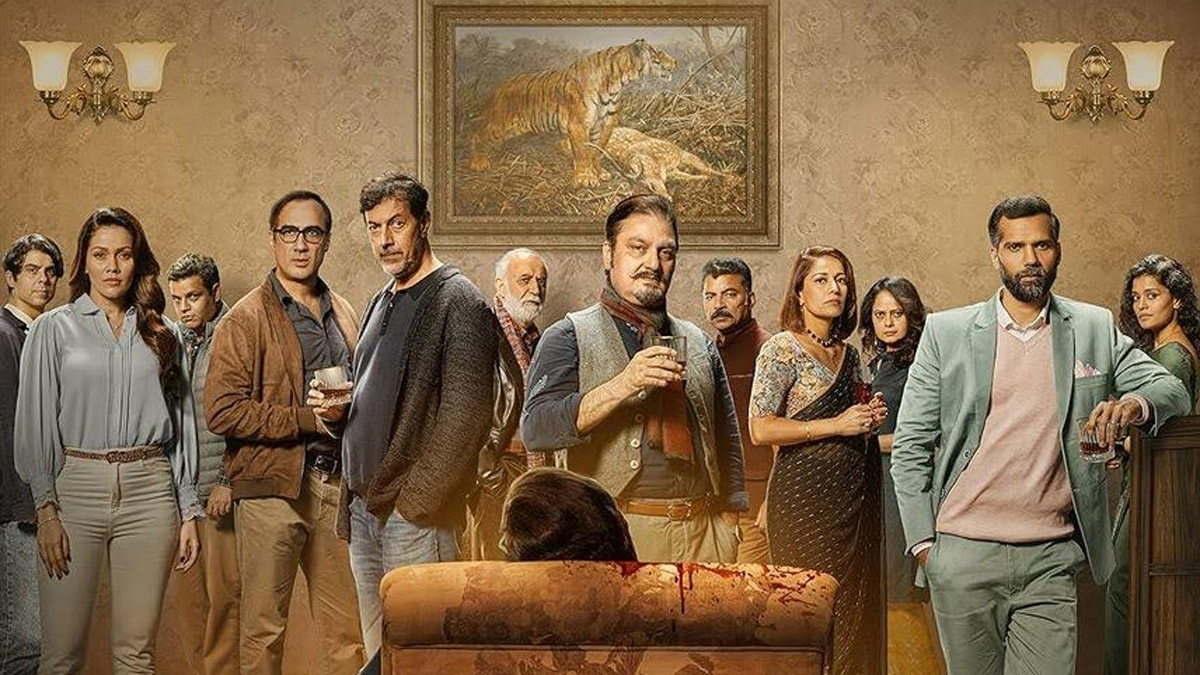
MUMBAI: Zee5 is serving up another killer collaboration and this time, the murder mystery comes with a generous side of dark humour and family dysfunction. The streaming platform has partnered with Applause Entertainment and Mithya Talkies to bring Everybody Loves Sohrab Handa, a fresh, twisted whodunnit written and directed by acclaimed filmmaker and actor Rajat Kapoor. The film will stream exclusively on Hindi Zee5 from 10 April.
The movie reimagines the classic murder mystery genre with a contemporary, darkly comic edge. It revolves around a group of friends and family who smile, drink, and celebrate together until the silence snaps and long-buried secrets spill out. The stellar ensemble cast includes Vinay Pathak, Ranvir Shorey, Waluscha De Sousa, Saurabh Shukla, Chandrachoor Rai, Neil Bhoopalam, Koel Purie, Palomi Ghosh, and Rajat Kapoor himself.
This latest offering continues the successful partnership between Zee5 and Applause Entertainment, which has previously delivered diverse hits such as Mithya, Bloody Brothers, and Jab Khuli Kitaab.

&TV Business Head of hindi Zee5 and chief channel officer Kaveri Das said, “Our collaboration with Applause Entertainment has consistently delivered distinct, high-impact storytelling. Everybody Loves Sohrab Handa is a natural progression, reinforcing our focus on genre-led content with a compelling whodunnit premise and a strong ensemble cast.”
Applause Entertainment business head for movies Sunil Chainani added, “This film adds yet another compelling layer to our slate with Rajat Kapoor’s unmistakable voice.”
Rajat Kapoor shared, “What interested me was not just the mechanics of a whodunnit, but the emotional violence that precedes physical violence. These are people who smile at each other, but there’s so much that is not said.”
The film promises razor-sharp writing, layered performances, and simmering tension, inviting viewers not just to solve the crime but to unravel the complex relationships at its heart.
If you love a good murder mystery served with wit and emotional depth, Everybody Loves Sohrab Handa looks set to be your next addictive watch. Mark your calendars, the whodunnit drops on Hindi Zee5 from 10 April.







