Hindi
SRK, Aamir unite for ‘equal rights for equal films’

MUMBAI: Bollywood stars Aamir Khan and Shah Rukh Khan (SRK) called for an equal share of revenues with the multiplex owners, hoping to shape a new order in the way the distribution of box office revenue runs in the country.
In a rare joint appearance, the duo urged for a system that would shelter “equal rights for equal films.” Signaling smaller producers to back the movement, the two leading actors said multiplexes should have a common revenue-sharing system for the creators and distributors of content.
“It should be a partnership of equals. Everyone has a right to earn money and be viable in their business models. A 50 per cent share in revenues is a fair deal,” said Aamir Khan, while addressing the press here today.
Echoing this sentiment, SRK said: “We need to repair the pipeline. We are calling for fair rights for Friday (the day the movies release in India) nights.”
Emphasising the need for a settlement, SRK said: “This is a husband and wife relationship where there is no scope for divorce.”
Aamir Khan suggested the setting up of a common committee that would look into the problems and work out the solutions. “This should be presented to both the sides. A solution should be good for the industry as a whole,” he said.
Film producers who are backing the strike, have decided to choke the supply of their content to the multiplexes. Besides Hindi films, regional films would not be released in multiplexes. Said Eros International COO Jyoti Deshpande, “Though we released Mahesh Manjrekar‘s film Mee Shivaji Raje Bhosle Boltoy, on 3 April (a day before the strike) at the multiplexes, we are not releasing a Punjabi film with them.”
Eros did not release Aa Dekhen Zara on the multiplexes. Said Deshpande, “Multiplex owners wanted us to enter into a very rigid agreement if we had to release our film with them. Since that was against the code of conduct of the Prouducer-Distributor combine, we desisted from releasing the film in multiplexes and released in single-screen theatres. Then we caught up with an idea and released Aa Dekhen Zara on DTH.”
The producers are also determined to stop all old films from being re-released on multiplexes during the strike period. Said Mukesh Bhatt, “We will be supporting single screens with old releases. We are also working out plans on how to provide fresh films to single-screen theatres only.”
Multiplex owners have been resisting a 50:50 revenue share and have indicated that they are comfortable with a performance-linked system. But UTV Software Communications chairman and managing director Ronnie Screwvala pulled down this theory. “A variable model leads to subjectivity. This is not possible and requires a change in strategy. Our aim during a film‘s release is to up our box office share and not to increase the occupancy level at theatres,” he said.

Hindi
Marico founder Harsh Mariwala’s book Harsh Realities set for film adaptation
Almighty Motion Picture taps Karan Vyas to script Marico story
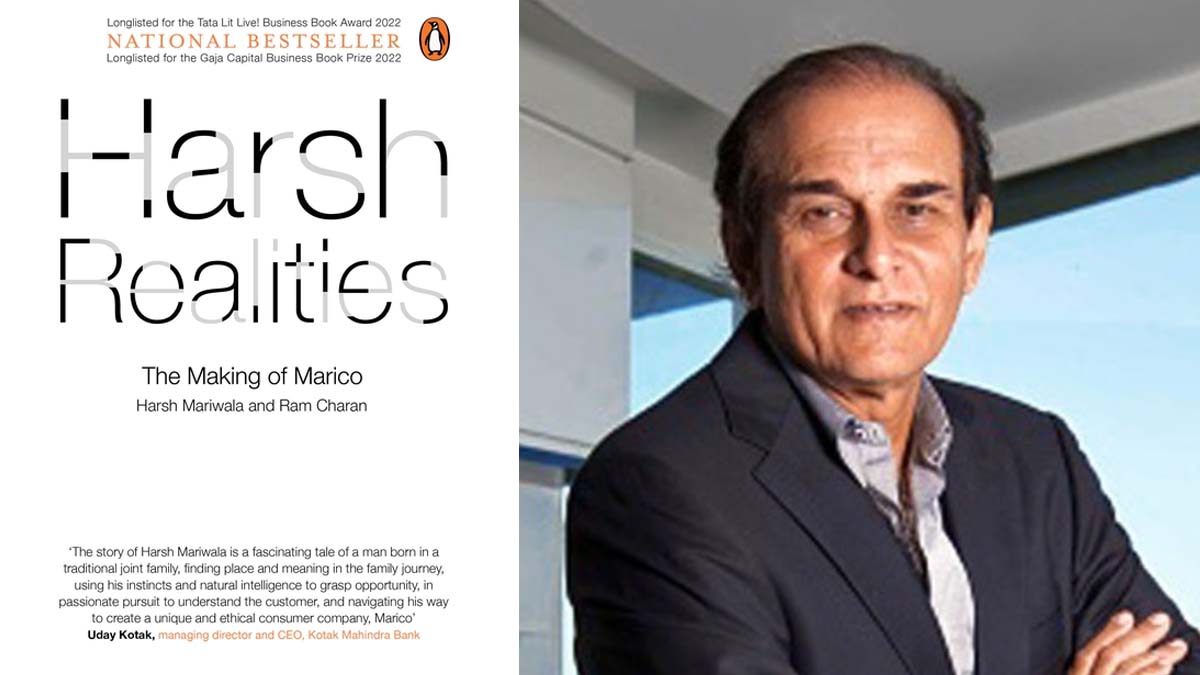
MUMBAI: Almighty Motion Picture is turning its lens on India Inc., with plans to adapt Harsh Realities: The Making of Marico into a screen project. The story charts the rise of Harsh Mariwala, the chairman and founder of Marico, and is currently in early development, according to a report by Variety.
Writer Karan Vyas, known for his work on Scam 1992, Scoop and Made in India – A Titan Story, is attached to pen the screenplay. The project continues the studio’s growing interest in real-life Indian narratives that blend business with human drama.
At the heart of the story lies a defining moment in 1987, when Mariwala chose to step away from the family-run Bombay Oil Industries and strike out on his own. What followed was not just the creation of a company, but the reinvention of a legacy. Marico would go on to become a global FMCG player, with brands like Parachute, Saffola, Set Wet and Livon becoming household names, reaching nearly one in three Indians.

The source material, co-authored by Mariwala and renowned business strategist Ram Charan, offers more than a boardroom chronicle. It captures the grit behind the growth, the risks behind the rewards and the leadership lessons forged along the way.
The adaptation aims to move beyond balance sheets and brand milestones, focusing instead on the person behind the enterprise. Expect a narrative that leans into the emotional stakes of entrepreneurship, where decisions are as personal as they are professional.
Today, Marico draws about a quarter of its revenue from international markets across Asia and Africa, reflecting its steady transformation from a domestic player into a multinational force. Yet, if the makers have their way, the screen version will remind audiences that every global success story begins with a leap of faith.
With development set to begin soon, this is one business story that may just trade spreadsheets for storytelling, and profit margins for moments that linger